Xbox Strategy Shift: What New Leadership Means for Console Shoppers
New CEO reveals strategy shift back to consoles and what shoppers should expect from Game Pass and future devices.
 By Serenity Richards
Updated October 6, 2026
By Serenity Richards
Updated October 6, 2026
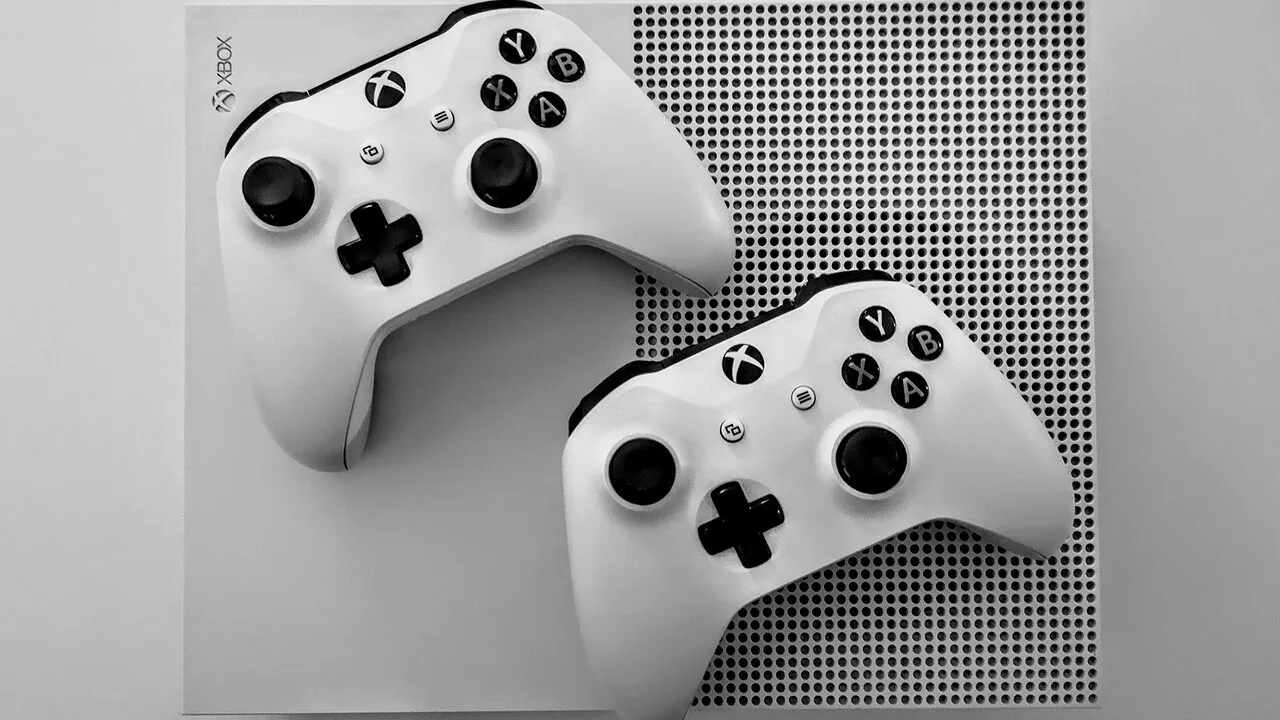
Xbox leadership has unveiled a major strategic pivot aimed at putting console gaming back at the center of Microsoft’s entertainment empire. New CEO Asha Sharma addressed the entire Xbox division in an internal town hall, outlining how the company plans to stabilize its business after a challenging year and return to growth. For consumers considering Xbox purchases, these changes signal meaningful shifts in where the company invests its resources and how its products will evolve.
Returning to Console as the Core Focus
After a period of decline in player engagement and revenue, Xbox has begun implementing a turnaround strategy that prioritizes the Xbox Series X and Series S consoles as foundational to the business. Sharma emphasized that the company’s previous approach, which heavily promoted Game Pass subscriptions over console hardware, contributed to significant financial losses. The shift marks a return to investing in and supporting the current-generation consoles that form the backbone of Xbox’s player base.
The company has reported stabilizing engagement metrics and moving into growth territory after year-over-year declines earlier in 2024. This rebound represents a 2 to 3 times acceleration from the low point the division experienced. Sharma noted that certain recent game launches, including Gears of War: E-Day and Minecraft Dungeons 2, have performed strongly, while brand sentiment has improved by 30 percent over the past year. These metrics suggest that the strategic refocus is already yielding results.
Game Pass Getting More Flexible
While the current gaming subscription service remains a key part of Xbox’s future, leadership signaled that Game Pass will become more customizable for different types of players. Rather than offering a one-size-fits-all subscription model, Xbox plans to introduce options that allow subscribers to choose the specific content categories they want to access. This flexibility could appeal to budget-conscious shoppers who may not want to pay for all available games and services if they only play specific genres or franchises.
The changes to Game Pass align with leadership’s broader recognition that not every player has the same needs or spending capacity. By tailoring subscription tiers and content options, Xbox aims to retain more subscribers while also attracting new customers who felt the previous approach didn’t match their gaming habits.
What’s Coming with Xbox Helix
Sharma introduced Xbox Helix as the working name for the next generation of Xbox hardware, describing it as a family of devices rather than a single console. This approach acknowledges that modern gamers play across multiple platforms and screen sizes. While a traditional home console remains central to the Helix strategy, the company is also developing portable gaming devices for players who want to game on the go.
Leadership indicated that Xbox will develop some hardware in-house while partnering with other manufacturers on certain devices. The operating system powering these devices is already in development, and Microsoft plans to share more details as plans solidify. This multi-device strategy represents a significant departure from previous generations, which focused primarily on a single console box.
Strengthening Xbox PC and Expanding Digital Distribution

The company is also prioritizing growth on PC gaming platforms, both through its own storefront and partnerships. Xbox has reported that its Windows Store ranks as the number one PC gaming platform in China, demonstrating significant international reach. Beyond China, Microsoft is working to build Battle.net as a competitive gaming platform, with partnerships already bringing major titles like The Witcher 3 to the service.
For consumers considering where to purchase and play games, these expansions mean more choice and more opportunities for deals. The company is also streamlining development tools to make it easier for game studios to publish titles across Xbox consoles, Helix devices, and PC platforms. This unified approach could accelerate the number of new titles available to players across all Xbox ecosystems.
What This Means for Your Gaming Future
The strategic realignment under new leadership suggests that Xbox is betting its future on serving current players better rather than chasing hypothetical growth through aggressive subscription expansion. The company’s acknowledgment that it was neglecting core console players in favor of untested theories represents a return to fundamentals.
Shoppers considering Xbox investments can expect stronger support for current hardware, more flexible subscription options, and an expanding ecosystem that works across home consoles, portable devices, and PC. The focus on innovation like cloud gaming and disc-to-digital programs shows Xbox is trying to differentiate itself from competitors on features, not just games available through subscriptions.
Leadership also emphasized caution regarding broader economic conditions and ongoing changes in the entertainment industry, suggesting that innovation will continue but at a measured pace. For consumers, this disciplined approach may mean fewer surprise announcements but more stable, purposeful product development focused on delivering value to existing players and attracting new ones through console and content quality.
About the author
Serenity covers home game consoles for REMOVU, weighing performance, exclusive libraries, and the ecosystem each platform locks you into. She helps players pick the console that fits how and what they play.