Apple Leadership Shift: What the New Design Focus Means for Your Next Purchase
The new CEO is spending daily time in design studios. What does it mean for your next Apple purchase?
 By Ava Herrera
Updated October 4, 2026
By Ava Herrera
Updated October 4, 2026

Apple’s organizational structure just underwent a significant change that could reshape how the company develops consumer products in the coming years. John Ternus, who took over as CEO last month, is fundamentally reorienting the company’s priorities around product design and engineering, marking a notable departure from the previous leadership approach focused on operations and supply chain management.
Why This Leadership Change Matters
For decades, Apple’s reputation has hinged on innovation and sleek product design. However, recent leadership emphasized different strengths. The prior CEO was renowned for supply chain expertise, spending roughly an hour per month in Apple’s design studio at most. This operational focus helped optimize manufacturing, reduce costs, and streamline global distribution networks that ultimately affect product pricing and availability for consumers.
Ternus brings a different background. His engineering expertise means he’s delegating supply chain operations to the company’s chief of operations while allocating significantly more time to the design and engineering functions. According to industry analysts, Ternus now spends several hours each week immersed in Apple’s industrial design and human interface teams, sometimes visiting multiple times in a single day.
What This Means for the Supply Chain
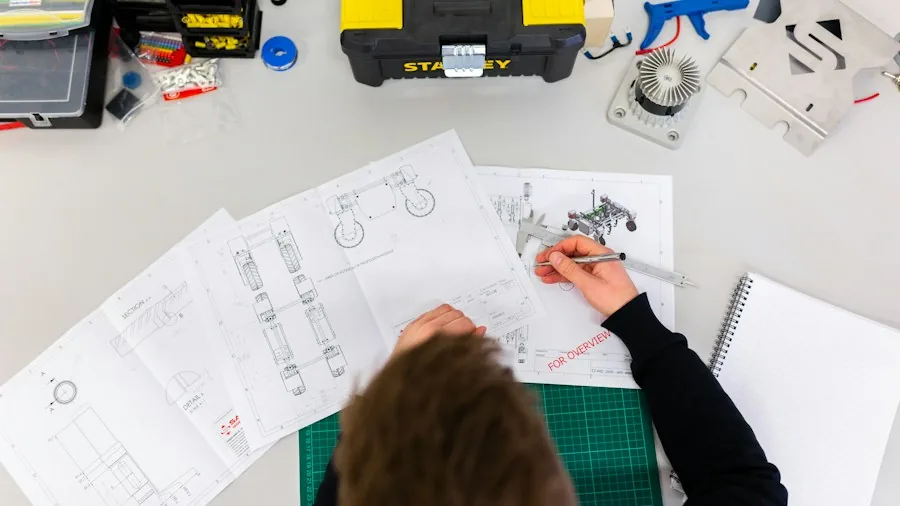
The shift might initially seem like a downgrade for supply chain management. However, experts note that Ternus didn’t eliminate focus on operations, he reassigned it to a dedicated leader. This separation of duties could actually benefit consumers in several ways. A dedicated operations chief can specialize entirely in manufacturing efficiency, logistics, and inventory management without competing against design priorities. Meanwhile, Ternus can push for more ambitious product innovations without operational concerns constraining creative decisions.
The real question is how this balance evolves over time. Apple’s supply chain has been a competitive advantage for decades, enabling faster product releases and better product availability than competitors. If design priorities start overwhelming operational considerations, consumers might face longer wait times, higher prices, or inventory shortages. Conversely, if operations remain properly resourced and prioritized, the company could deliver more innovative products without sacrificing the efficiency shoppers have come to expect.
Design Innovation Could Accelerate
The immediate implication is that Apple is betting on design differentiation. Recent product releases have faced criticism for incremental updates and repetitive designs. By installing an engineer with deep product expertise at the helm and giving him regular access to design teams, Apple signals intent to refresh its approach. Similar moves in the smart home space have sometimes accelerated feature development, though results depend on execution quality.
Ternus’s immersion in design studios suggests Apple wants more ambitious hardware concepts moving forward. The company has several product lines that haven’t received substantial design overhauls in years. If the new leadership successfully translates design-focused energy into released products, consumers could see more distinctive options in the next generation of devices.
The Supply Chain Risk to Monitor
One legitimate concern exists: balancing design ambition with manufacturing reality. Complex designs can create supply chain complications. More advanced materials or manufacturing processes sometimes introduce delays or production constraints. History shows that when design teams push boundaries without matching operational support, consumers experience shortages or price increases.
The good news is that Apple now has dedicated operations leadership to manage these tradeoffs explicitly. The prior structure sometimes required the CEO to balance both functions personally, potentially favoring one over the other during conflicts. A specialized operations chief can advocate equally for manufacturing feasibility.
What Shoppers Should Expect
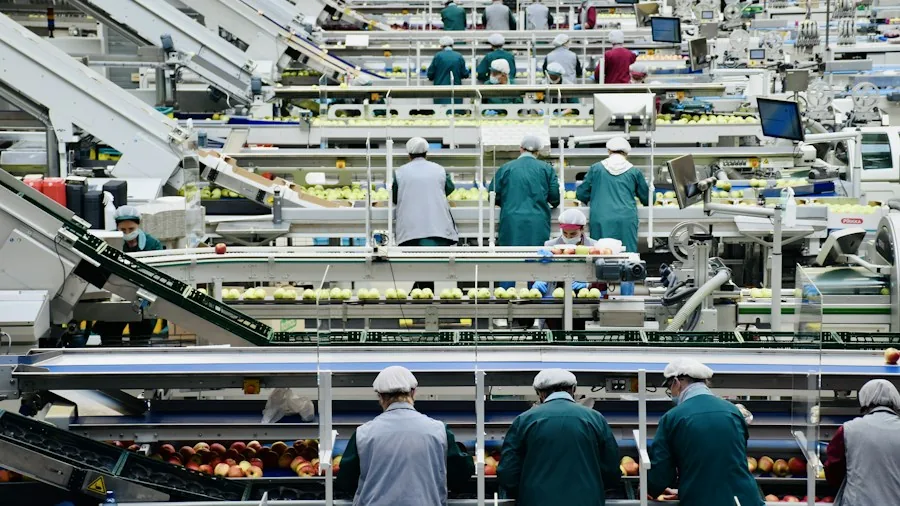
For the average consumer, these changes mean two competing possibilities. The optimistic scenario: Apple releases more innovative, thoughtfully designed products while maintaining competitive pricing and reliable availability. Products hit stores when promised, and the supply chain efficiency shoppers rely on continues without disruption.
The cautionary scenario: Design ambition outpaces manufacturing capability, leading to delays, limited availability, or price increases as the company invests heavily in new approaches. Shoppers might find themselves waiting longer for products or paying premiums for cutting-edge designs.
Looking Ahead
The first real test will come when new product announcements arrive. Industry observers are evaluating how design changes materialize across different product categories, from laptops to smart home devices. If the new leadership successfully delivers distinctive designs without straining operations, the gamble will have paid off. If the supply chain struggles to support more ambitious products, consumers will feel the impact immediately through availability and pricing.
Apple’s bet that engineering-focused leadership produces better consumer outcomes is reasonable. Design matters to purchase decisions. But the company’s success will ultimately depend on how well operations and design collaborate under the new structure. Shoppers benefit most when both functions work in concert, and early indicators suggest Apple is trying to achieve exactly that.
About the author
Ava is REMOVU's laptop writer, balancing speed, battery life, and build quality against price across the whole range. She helps readers find the sweet spot as each new chip shifts what a dollar buys.