Xbox Is Not for Sale: What Shoppers Need to Know About Microsoft’s Gaming Future
CEO Asha Sharma confirms Xbox remains part of Microsoft's long-term gaming strategy despite recent restructuring.
 By Serenity Richards
Updated October 1, 2026
By Serenity Richards
Updated October 1, 2026

In recent months, rumors have circulated that Microsoft plans to divest its Xbox division, fueling speculation about the company’s long-term commitment to gaming hardware and software. Xbox CEO Asha Sharma has now made a definitive statement: Xbox is not for sale. This declaration addresses growing concerns among consumers and industry analysts about the viability of the brand under Microsoft’s current leadership.
The Divestment Rumors and What Sparked Them
The sell-off narrative gained traction following a series of significant changes within Xbox earlier this year. Microsoft underwent massive layoffs that affected thousands of employees across its gaming studios. Several major development houses were shut down entirely, while others were divested from the company. Notably, Halo Studios was effectively closed, with stewardship of the iconic Halo franchise handed over to Call of Duty’s leadership team. These moves led analysts and industry observers to conclude that Microsoft was strategically trimming Xbox to make the division more attractive to a potential buyer.
Some commentators compared Xbox’s situation to Sega’s infamous “Dreamcast phase,” referring to the era before Sega exited the hardware business entirely. A report from The Information in summer 2024 suggesting Microsoft was exploring divestiture possibilities further fueled these concerns, prompting widespread discussion about whether the tech giant intended to exit gaming altogether.
Why the Rumors Don’t Hold Water
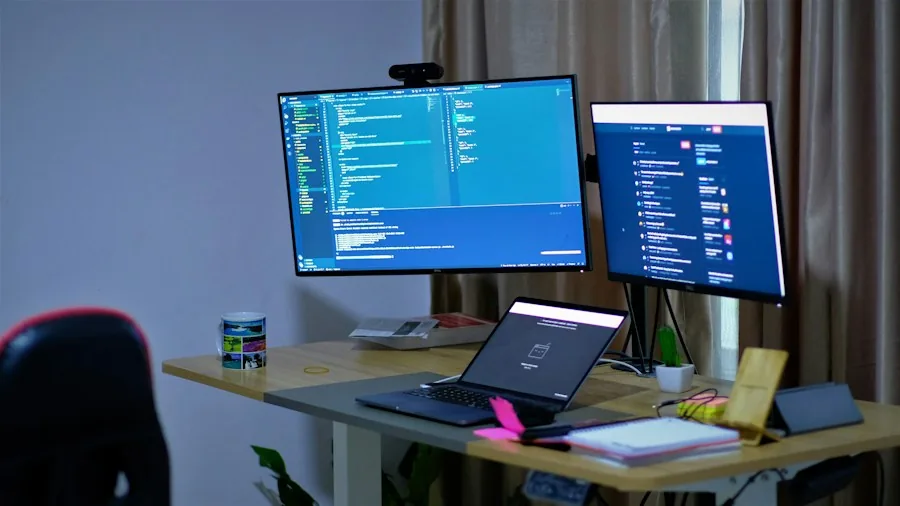
Despite the restructuring, several strategic decisions suggest Microsoft remains committed to Xbox’s future rather than preparing it for sale. Sharma has publicly pledged substantial investment in long-dormant franchises, particularly the Fallout series. The company is also working to rebuild Halo as a cornerstone property rather than abandoning it entirely. Additionally, Microsoft continues development of Xbox Helix, the anticipated next-generation console expected to compete with PlayStation and Nintendo platforms.
Furthermore, Xbox leadership is pursuing transmedia expansion through television adaptations and film projects featuring its most recognizable intellectual properties. This strategy makes little sense if the division were genuinely being prepared for divestiture. Acquiring studios or maintaining franchises specifically to sell them off quickly would represent poor business logic.
Actual Xbox users have generally remained optimistic despite the organizational upheaval. While the layoffs themselves are regrettable, the cuts addressed a fundamental sustainability question: some niche titles produced by Xbox studios struggled to justify their development costs within the company’s financial framework. The restructuring aimed to align the division’s output with realistic market demand and profitability expectations.
What This Means for Consumers
For shoppers invested in the Xbox ecosystem, Sharma’s assertion carries significant weight. Her statement to the New York Times left no ambiguity: “Xbox is not for sale. We will do whatever it takes to set the company up for success, and we will look at the right partnerships, the right operating model and everything needed to achieve that.” This commitment suggests consumers can expect continued hardware releases, new game development, and ongoing support for existing Xbox platforms.
Those shopping for game consoles should feel reassured that Microsoft intends to remain a major player in the gaming market. Sharma emphasized that Xbox intends to take the long-term view, meaning short-term profitability concerns won’t dictate abandonment of the franchise. This stability benefits players planning to invest in Xbox hardware and digital libraries.
The Broader Context of Microsoft’s Strategy
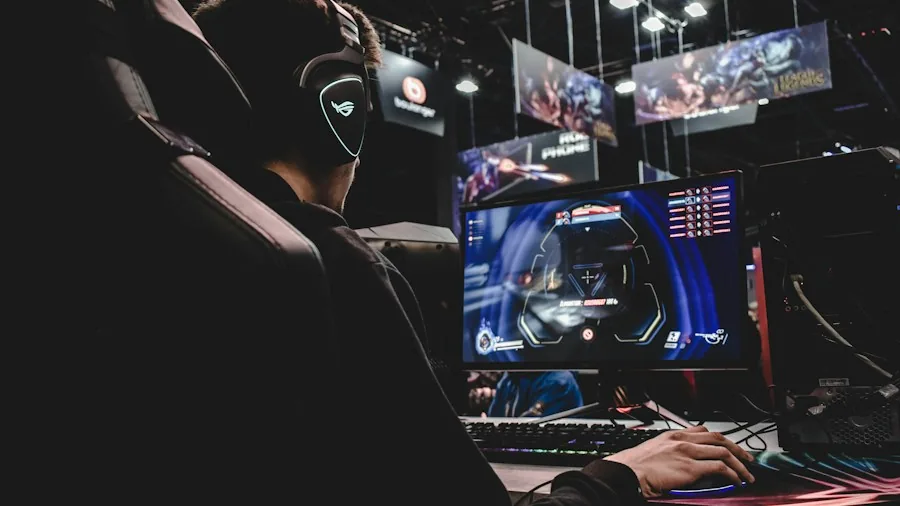
Understanding why the divestment narrative persists requires examining Microsoft’s overall corporate direction under CEO Satya Nadella. The company has systematically retreated from consumer-facing products in recent years. Windows Phone was discontinued, Surface products languish without meaningful investment, retail stores closed, and consumer-oriented features were eliminated from various offerings. This broader pattern created an environment where skeptics questioned whether Xbox could survive within Microsoft’s increasingly enterprise-focused portfolio.
Nadella’s public statements about maintaining Microsoft’s gaming presence have been vague and infrequent, offering little reassurance to consumers and analysts seeking clarity. This communication gap left room for speculation about Xbox’s future. However, the fact that Nadella continues permitting Xbox to operate suggests genuine, if quiet, commitment to the division’s survival.
Looking Forward
For consumers evaluating external SSDs for Xbox or considering upcoming Xbox console purchases, Sharma’s declaration provides concrete reassurance about the platform’s trajectory. Investments in franchises like Fallout and Halo indicate Microsoft expects these properties to generate revenue streams for years ahead. The promised next-generation console development further demonstrates genuine long-term planning rather than liquidation preparation.
Shoppers should also recognize that Xbox’s value extends beyond hardware sales. The gaming division drives ecosystem engagement, software licensing, Game Pass subscriptions, and cloud gaming services that integrate with Microsoft’s broader technology offerings. These interconnected revenue streams explain why maintaining Xbox makes strategic sense, even if the division occasionally reports losses on individual products.
The coming months will reveal whether Sharma’s commitment translates into tangible improvements and new releases that demonstrate Xbox’s ongoing evolution. For consumers considering purchases of gaming accessories like racing wheels for Xbox or planning long-term engagement with the platform, the CEO’s definitive statement should provide confidence that their investment remains supported by company leadership.
About the author
Serenity covers home game consoles for REMOVU, weighing performance, exclusive libraries, and the ecosystem each platform locks you into. She helps players pick the console that fits how and what they play.