Xbox Cloud Gaming Loses Support on Older Samsung TVs: What Shoppers Need to Know
Microsoft is pulling Xbox Cloud Gaming from 2020 Samsung Smart TVs starting November, signaling potential challenges for cloud gaming services.
 By Ryan Richardson
Updated September 30, 2026
By Ryan Richardson
Updated September 30, 2026
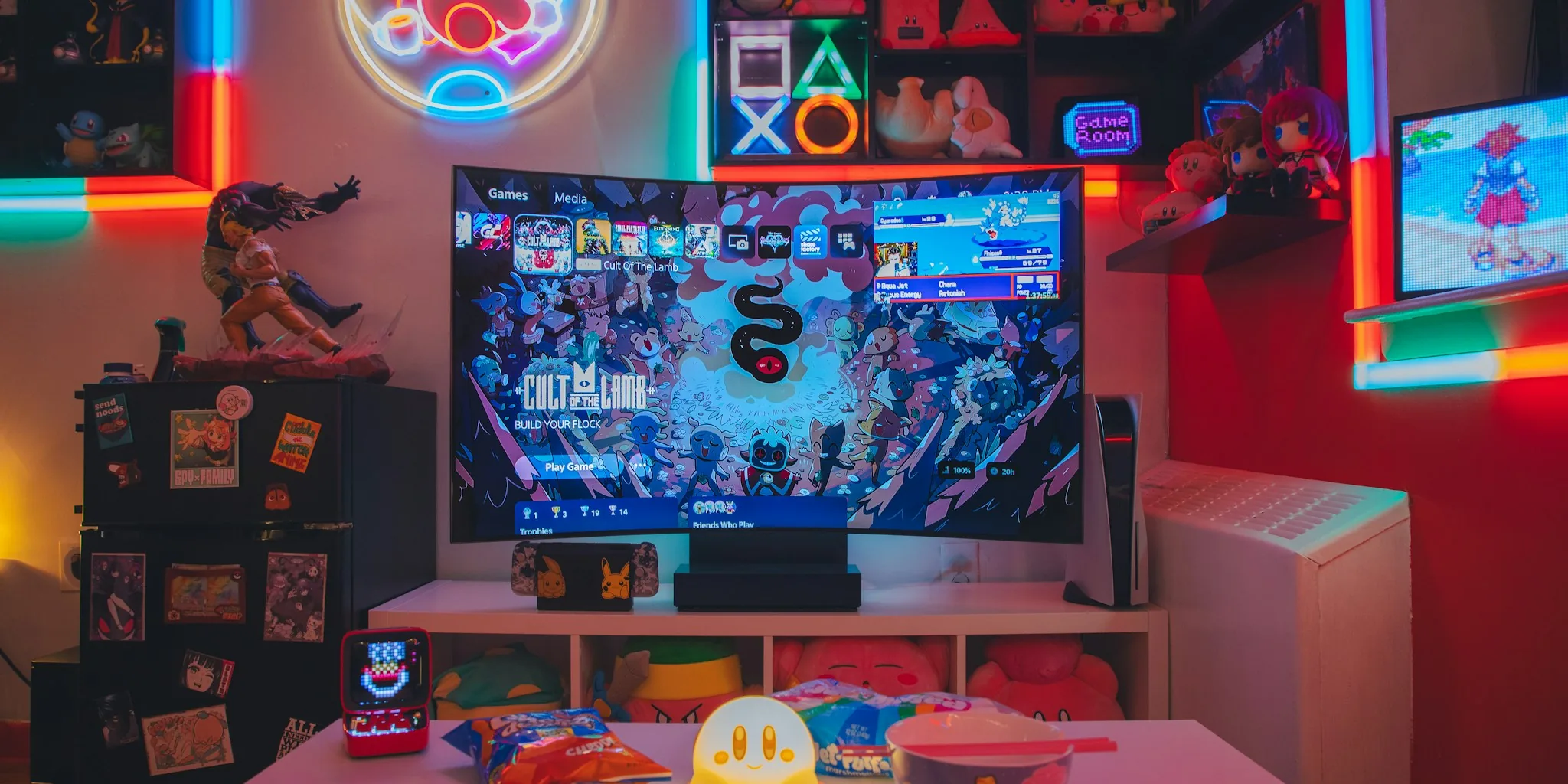
Microsoft has announced that Xbox Cloud Gaming will no longer function on 2020 Samsung Smart TVs starting November 3rd, marking another significant shift in the company’s cloud gaming strategy. Users who own these older television models received notification emails explaining that the service would be discontinued due to compatibility issues with the device’s operating system.
The decision reflects a broader pattern of uncertainty surrounding Xbox Cloud Gaming’s future. Microsoft’s commitment to cloud gaming has visibly wavered over the past several months, moving away from the aggressive marketing campaigns that once positioned cloud gaming as superior to traditional game consoles. The company is now implementing stricter limitations and shrinking its supported device ecosystem.
What Changed with Xbox Cloud Gaming
Xbox Cloud Gaming launched with ambitious goals: allow gamers to stream hundreds of titles across phones, tablets, low-power PCs, and smart TVs without needing expensive hardware. The service promised accessibility and convenience. However, Microsoft’s recent moves tell a different story.
In 2026, the company has reduced unlimited monthly streaming to just 15 hours at the premium tier, with additional gameplay requiring separate hourly purchases. Simultaneously, it is quietly pulling the service from compatible devices. The discontinuation on 2020 Samsung models represents the first major wave of device retirement, though Microsoft claims it will continue supporting 2021 and later Samsung TV models alongside phones, tablets, PCs, and Xbox consoles.
Microsoft’s explanation centers on technical incompatibility. The company stated that “updates to the technology that powers XBOX Cloud Gaming are no longer compatible with the operating system version available on these models.” However, skepticism is warranted. Cloud gaming fundamentally delivers a video stream and web application, similar to how Netflix and Prime Video function. These services have no trouble running on older smart TV hardware, raising questions about whether pure technical limitations are the real driver behind the decision.
Why This Matters for Current Users
If you own a 2020 Samsung Smart TV with an Xbox app, you have limited options. You can upgrade to a 2021 model or newer to maintain cloud gaming access, or shift your gaming to alternative devices. For users who invested in Samsung’s ecosystem specifically for Xbox Cloud Gaming support, this change feels punitive.
Industry observers suspect bandwidth conservation may be the underlying motivation. Cloud gaming is resource intensive, and data center costs have surged during the artificial intelligence boom as companies compete for computing resources. If older devices represent high usage segments, retiring support could allow Microsoft to reduce infrastructure spending without formally admitting the service isn’t profitable at scale.
Broader Concerns About Cloud Gaming Viability
Xbox Cloud Gaming is not alone in facing pressure. NVIDIA’s GeForce Now platform has also implemented restrictive usage policies. Both services are reportedly exploring advertisements as a revenue strategy, suggesting neither can achieve sustainable profits through subscription fees alone.
This environment contrasts sharply with earlier predictions about gaming’s future. Technology companies once marketed cloud gaming as inevitable, positioning it as a solution that would eventually replace physical hardware ownership entirely. Today, the industry is struggling to make these services economically viable even as a supplement to traditional gaming.
Evaluating Your Gaming Options
For buyers considering cloud gaming services, recent developments warrant caution. Microsoft’s willingness to discontinue device support without significant advance notice suggests the company views cloud gaming as expendable. A side by side comparison of total costs including Game Pass subscriptions, hourly streaming passes, and potential device upgrades may reveal that purchasing or upgrading traditional external storage solutions and hardware offers better long-term value.
Current Game Pass subscribers should not assume cloud gaming access is permanent. If your primary reason for maintaining a subscription involves streaming games to your TV, evaluate whether that feature will remain available on your specific device model. Microsoft’s pattern of quiet announcements suggests more discontinuations may arrive with minimal warning.
For those seeking console-based gaming, traditional hardware remains a more reliable investment. Specialized gaming peripherals for existing consoles provide proven value without dependence on service continuity.
The Bottom Line
Microsoft’s decision to retire Xbox Cloud Gaming on 2020 Samsung Smart TVs illustrates the complicated reality of streaming gaming services. Despite years of investment and marketing, the economics remain unfavorable. Users who depend on cloud gaming should approach service upgrades and new purchases with the understanding that Microsoft may discontinue compatibility at any point, with limited warning and vague technical explanations.
The takeaway for shoppers: verify current device compatibility before making purchasing decisions based on cloud gaming availability, and consider whether the limitations and potential future discontinuations justify the cost of a Game Pass subscription for streaming purposes.
About the author
Ryan writes about streaming gear for REMOVU, comparing mics, lighting, and control decks that polish a broadcast. He helps creators build a clean setup around the game.