Chromebook Upgrade Path to Googlebook OS Arrives What Buyers Should Know
Newer Chromebooks can transition to Googlebook OS. Here's what buyers need to know about eligibility and timing.
 By Dustin Ford
Updated September 28, 2026
By Dustin Ford
Updated September 28, 2026

Google has officially confirmed that many newer Chromebook models will be able to transition to Googlebook OS, the company’s successor to the traditional ChromeOS platform. In a support document released recently, Google stated that numerous recent Chromebook devices will qualify for this upgrade, with detailed information about which models and migration procedures coming soon.
For consumers who have invested in Chromebooks over the past few years, this announcement represents a significant development. Rather than making current devices obsolete, Google is committing to a transition path that could extend the functional lifespan and capabilities of existing systems. This move aligns with Google’s broader strategy to blend its established ChromeOS user base with its new AI-focused computing direction.
What Qualifications Will Your Chromebook Need?
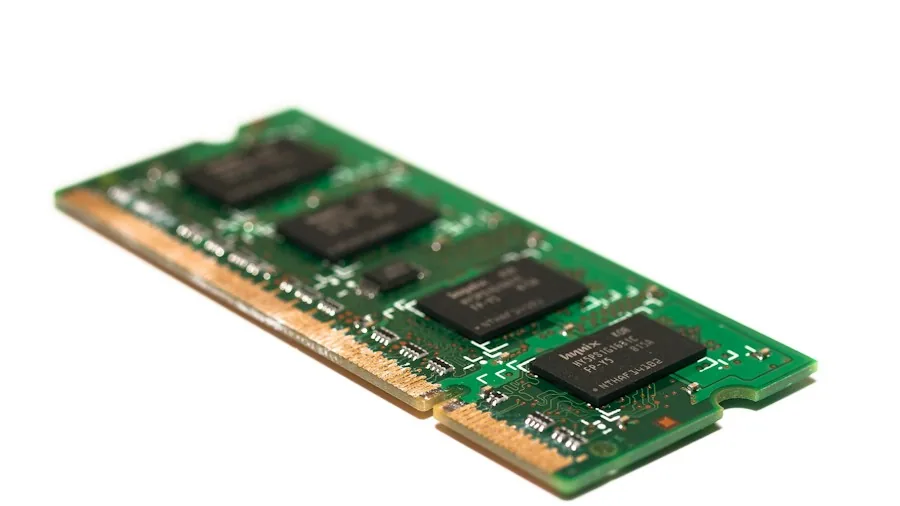
While Google has not yet released a comprehensive list of eligible models, the company provided important clues about the baseline specifications required. The initial wave of Googlebooks, which launched as the first devices running the new operating system, all feature at least 16 gigabytes of RAM and include touchscreen capabilities. These specifications suggest that Chromebooks meeting or exceeding these hardware requirements will be prime candidates for the upgrade.
Google’s support documentation emphasizes that the company remains committed to supporting qualifying devices purchased today, particularly when their standard 10-year update cycle would extend beyond 2034. The commitment extends to direct migration pathways for many of these machines, meaning users won’t necessarily need to perform complex manual upgrades themselves.
Security patches and regular updates for the current ChromeOS platform will continue through mid-2034, giving all users a substantial window of continued support regardless of upgrade status. Individual Chromebook models receive updates for 10 years from their respective release dates, providing clarity about the longevity of each device.
The Googlebook OS Difference and What It Means for Performance
Googlebook OS represents a fundamental shift in how Google approaches laptop operating systems. Unlike traditional ChromeOS, which is primarily cloud-focused, Googlebook OS integrates Android and ChromeOS into a unified platform designed to deliver more powerful local performance alongside AI capabilities. The merger of these two operating systems creates a computing experience that can leverage Google’s Gemini AI suite while maintaining access to Android applications.
Current Googlebooks utilize advanced processors including Intel Core Ultra Series 3 and Snapdragon X Elite chips, representing a significant performance jump from many older Chromebooks. When eligible devices receive the upgrade to Googlebook OS, they may unlock additional functionality and capabilities that take advantage of their hardware.
One of the key differentiators of Googlebook OS is its ability to integrate seamlessly with Android phones. Users can access content across their phone and laptop in ways that weren’t possible with traditional ChromeOS, creating a more interconnected ecosystem for those already embedded in Google’s product lineup.
Two-Tier Market Strategy Benefits Budget Shoppers
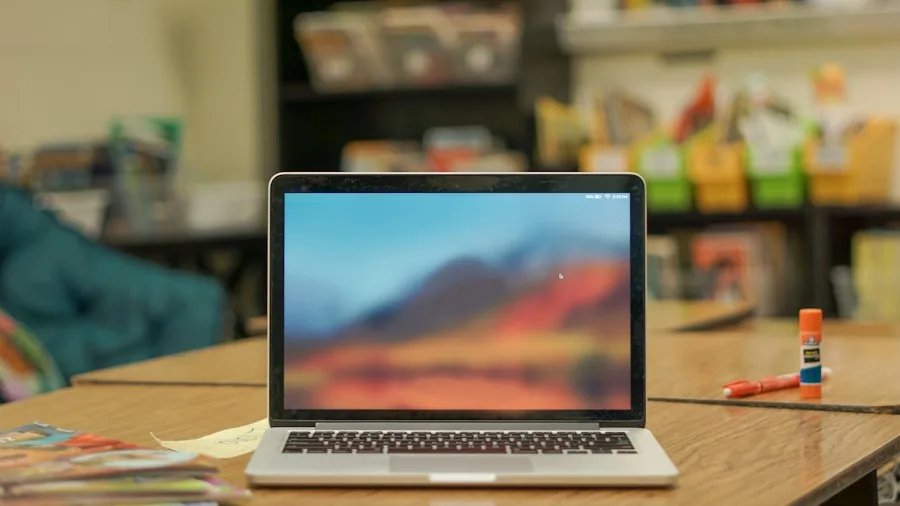
Google has clarified that it plans to continue selling affordable, lower-tier Chromebooks alongside premium Googlebooks. This means the company is not abandoning the education and budget markets that made Chromebooks popular in the first place.
Chromebooks have maintained their position as the most cost-effective alternative to Windows laptops and macOS machines, particularly in school settings where districts must balance technology budgets with student access. By maintaining a dual-product strategy, Google ensures that price-conscious consumers and educational institutions can continue purchasing traditional Chromebooks without needing to invest in more expensive AI-focused hardware.
For shoppers evaluating Chromebooks at various price points, this announcement provides reassurance that investment in an older or budget model today won’t immediately become incompatible or unsupported tomorrow.
Enterprise and Education Timeline
Google has indicated that Googlebook OS support for schools and enterprise customers will arrive during the second half of 2027, with the initial release of core management capabilities. This phased rollout gives institutions time to plan deployments and ensures that the company develops administrative tools appropriate for large-scale organizational use.
The delay in enterprise support compared to consumer availability makes practical sense, as managing thousands of devices across a district or corporation requires robust administrative infrastructure and support systems that demand additional development time.
School districts and businesses should begin planning for potential device refresh cycles and budget allocations as this timeline approaches, though the extended support commitments for existing ChromeOS devices provide flexibility in decision-making.
About the author
Dustin covers Chromebooks for REMOVU, weighing speed, battery life, and build quality for students and cloud-first users. He points readers to affordable machines that stay snappy for everyday browsing and schoolwork.