Google Launches Googlebook Laptops: What Chromebook Owners Need to Know
Google introduces premium Googlebook laptops starting at $899. Some Chromebooks may upgrade to the new OS.
 By Dustin Ford
Updated September 28, 2026
By Dustin Ford
Updated September 28, 2026
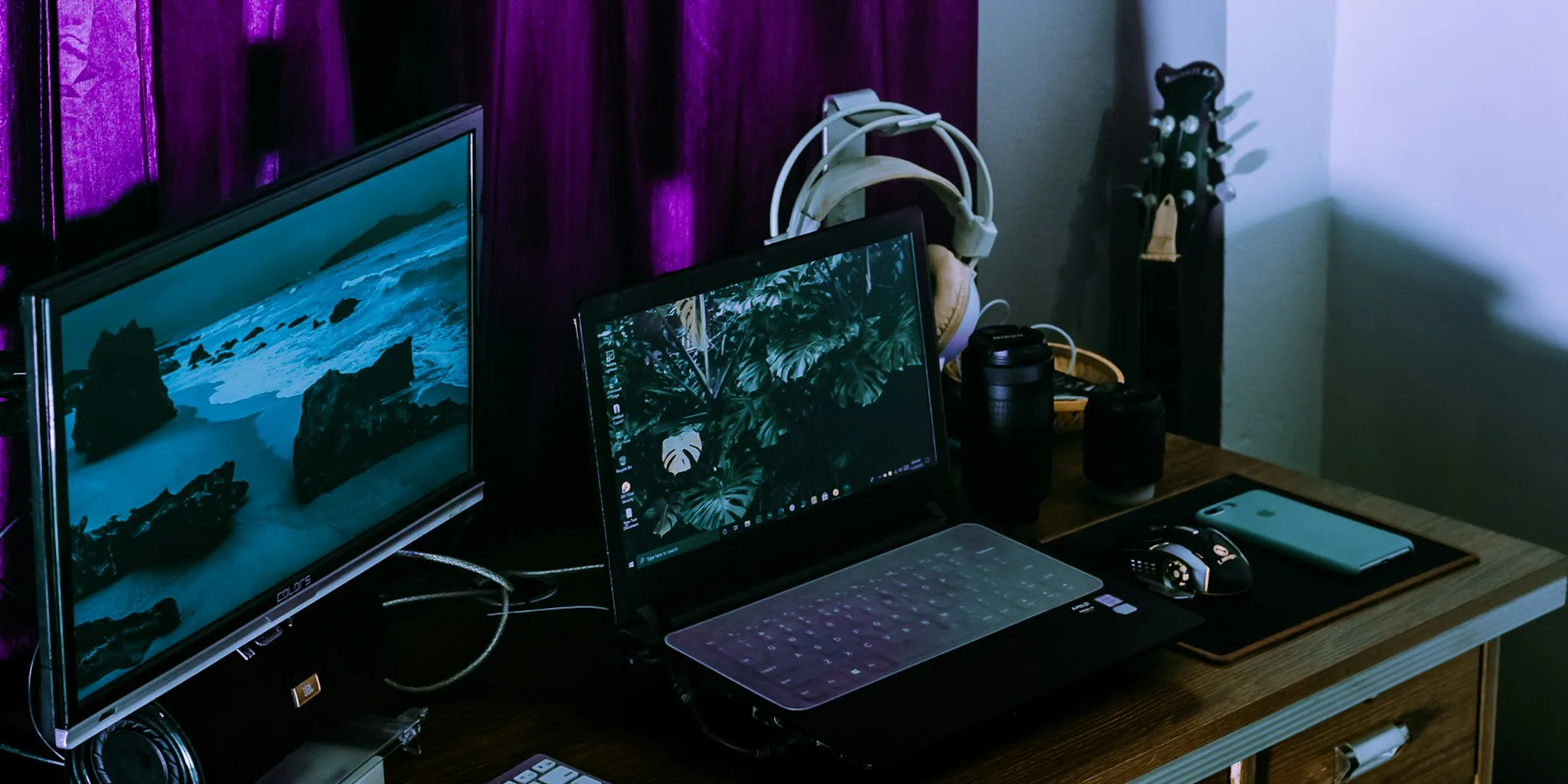
Google has officially entered the premium laptop market with the introduction of Googlebook, a new operating system and hardware lineup designed to compete with Windows and macOS. Starting at $899, this marks a significant shift in Google’s strategy for personal computing devices. The company is partnering with major manufacturers including HP, Lenovo, Dell, Acer, and Asus to bring Googlebooks to market, with models now available for preorder through the Google Store and Best Buy.
What This Means for Chromebook Users
If you own a Chromebook, you might wonder how Google’s newest initiative affects your device. The encouraging news is that existing Chromebooks will continue to receive support and updates. Google has not abandoned the Chromebook line, but rather is positioning it for specific use cases: education, students, teachers, and business environments.
More significantly, Google has announced that some newer Chromebook models will have the option to transition from ChromeOS to Googlebook OS. According to a support page Google published, eligible devices will eventually be able to make this switch. However, Google has stated that “details on migration paths and device eligibility will be shared soon.” This means not every Chromebook will qualify for the upgrade, and you’ll need to wait for official guidance from Google to determine whether your specific model is compatible.
The Googlebook Strategy: Bridging Android and Computing

The core appeal of Googlebook lies in its promised seamless integration with Android devices. Google aims to create a unified ecosystem where your laptop, phone, and tablet work together more naturally than previous generations of computing devices. This philosophy differs from what Chromebooks primarily offered, which was a lightweight, cloud-focused alternative to traditional laptops.
Best Buy has emerged as a key retail partner and is offering an attractive incentive: customers who preorder Googlebook laptops through Best Buy will receive a complimentary pair of Pixel Buds 2a earbuds. This bundle strategy underscores Google’s commitment to building an interconnected ecosystem of devices and services.
Chromebook’s Continued Relevance
Despite the launch of Googlebook, Chromebooks remain a viable option for specific buyer segments. They continue to offer affordability, simplicity, and security, particularly for educational institutions and budget-conscious consumers. The shift in focus means that future Chromebook development will likely prioritize these core strengths rather than attempting to compete directly with premium personal laptops.
For consumers shopping for affordable portable computers, Chromebooks under $300 still represent exceptional value. They require minimal maintenance, offer long battery life, and are virtually immune to malware through ChromeOS’s security architecture. These characteristics make them particularly attractive for students and professionals who need reliable devices without premium price tags.
Competitive Context and Market Reality
Google’s entry into the premium laptop segment comes at a time when Windows and Apple devices dominate consumer preferences. While Chromebooks achieved modest success, particularly within education, mainstream consumers typically gravitate toward established brands and ecosystems. Google faces skepticism based on its previous attempts at hardware integration, though the company has made substantial improvements in recent years.
The Googlebook operating system aims to differentiate itself by offering tighter integration with Google services and Android applications than traditional operating systems provide. Whether this proves compelling enough to shift consumer behavior remains an open question. Competitors like Microsoft offer established tools such as Phone Link and Quick Share, which already provide Android-Windows integration for users.
What Shoppers Should Decide Now
If you currently own a Chromebook and are satisfied with it, there’s no immediate action required. Your device will continue to function and receive updates. If you’re in the market for a new laptop and value budget and simplicity, Chromebooks remain worth serious consideration.
However, if you’re interested in exploring Google’s new direction and want premium hardware with deep Android integration, Googlebook models are available now. The $899 starting price places these devices squarely in the mid-to-premium range, making them an investment decision rather than an impulse purchase.
Google will be releasing migration eligibility information and upgrade pathways over the coming weeks. Existing Chromebook owners should monitor official Google communications for updates about whether their model qualifies for the transition to Googlebook OS. This phased rollout approach suggests Google is being thoughtful about implementation, though it also means patience will be necessary before the full picture becomes clear.
About the author
Dustin covers Chromebooks for REMOVU, weighing speed, battery life, and build quality for students and cloud-first users. He points readers to affordable machines that stay snappy for everyday browsing and schoolwork.