Galaxy Z Fold 8 Screen Upgrade What Buyers Should Know About Anti-Reflective Display
The overlooked screen features that make this foldable worth your attention and money.
 By Eleanor Garcia
Updated September 25, 2026
By Eleanor Garcia
Updated September 25, 2026

Samsung’s latest foldable flagship introduces a meaningful refinement that could reshape how shoppers evaluate these premium devices. The Galaxy Z Fold 8 brings two significant improvements to its inner display that directly impact real-world usability, yet these upgrades remain largely overlooked in broader product discussions.
The Anti-Reflective Coating That Makes a Difference
The most compelling enhancement centers on the inner AMOLED screen’s anti-reflective finish. When compared side by side with its predecessor, the Galaxy Z Fold 7, the reduction in glare becomes immediately apparent under strong lighting conditions. This coating applies to both the standard Z Fold 8 and the Z Fold 8 Ultra, addressing one of the genuine pain points foldable users encounter in daily life.
For shoppers accustomed to traditional smartphones, this feature may seem minor. However, foldable users regularly unfold their devices in outdoor and indoor settings where reflections create genuine visibility challenges. The improved anti-reflectivity proves especially valuable in scenarios where bright artificial lighting is present, such as working under desk lamps or using the phone indoors during daylight hours.
The coating’s effectiveness becomes most noticeable when you need to view content clearly despite environmental lighting obstacles. Whether reading emails, browsing articles, or watching video content, users encounter fewer distracting reflections that previously compromised the viewing experience. This represents a practical quality-of-life improvement rather than mere specification padding.
Brightness Gets a Real Upgrade Too
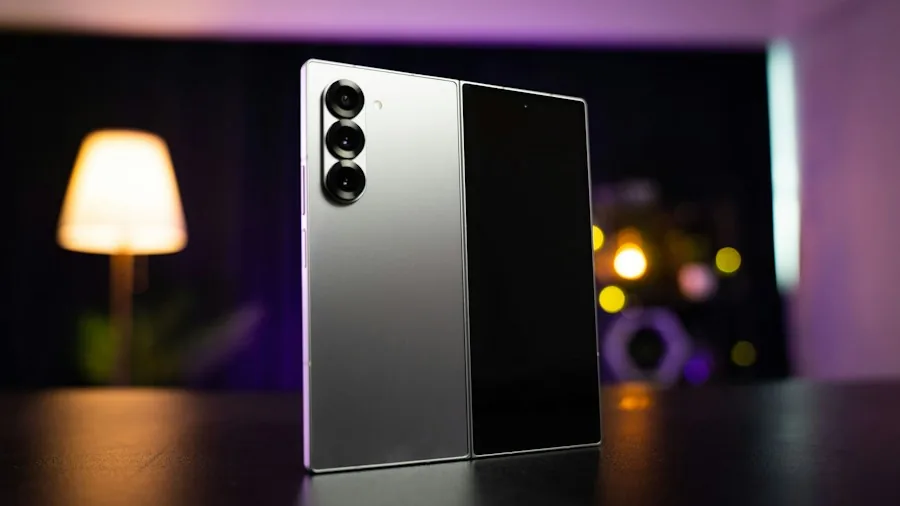
Complementing the anti-reflective refinement is a significant brightness boost. The inner display now reaches 3,000 nits of peak brightness, up from the Galaxy Z Fold 7’s approximately 2,600 nits. While both levels offer adequate outdoor visibility, this additional brightness creates meaningful separation when combined with the reduced-glare coating.
The brightness improvement directly addresses a core foldable phone limitation: maintaining screen legibility when competing with intense sunlight. Shoppers who use compact smartphones outdoors understand how brightness impacts the overall experience. For foldable users, this enhanced peak brightness means less strain when viewing the large inner display under direct sunlight, extending the device’s practical utility beyond indoor environments.
The combination of brighter output and reduced reflectance creates a synergistic effect. Neither improvement alone would be particularly remarkable, but together they elevate the foldable experience in measurable ways. Someone reading an e-book on their lounger or catching up on shows while outside would notice the enhanced visibility immediately.
What This Means for Your Shopping Decision

These upgrades matter most to consumers already interested in foldable devices. If you’ve been hesitant about the Galaxy Z Fold series due to visibility concerns in bright environments, the Z Fold 8’s display improvements directly address those reservations. The anti-reflective coating and brightness boost represent genuine responses to user feedback about foldable phone limitations.
Current pricing options make the device more accessible than ever. Samsung is offering up to $800 in trade-in discounts, or alternatively, a $250 instant savings without requiring a trade-in. These promotional paths effectively lower the barrier to entry for someone considering their first foldable purchase.
From a competitive standpoint, these display refinements position Samsung ahead of other foldable manufacturers. While the Galaxy S26 Ultra features Samsung’s most advanced second-generation anti-reflective coating and privacy display technology, the Z Fold 8’s inner display improvements demonstrate commitment to addressing real user pain points across the entire foldable lineup.
A Feature That Should Become Standard
The anti-reflective finish and brightness improvements underscore an important principle: foldable phone manufacturers should prioritize practical usability enhancements alongside new form factors and processing power. These display improvements don’t require exotic materials or revolutionary technology. Instead, they represent thoughtful engineering that directly benefits everyday usage.
Other foldable phone makers should take notice. The combination of reduced reflectance and increased peak brightness creates a meaningful advantage that influences real-world satisfaction. As the foldable market matures, distinguishing features like enhanced display visibility become increasingly important to consumer decision-making.
The Galaxy Z Fold 8’s display upgrades represent exactly the kind of incremental refinement that transforms a good product into a genuinely compelling option. For shoppers evaluating whether to invest in a premium foldable device, these improvements address legitimate visibility concerns that previously required accepting certain compromises. The result is a foldable experience that feels more polished and practical than previous generations, making the Z Fold 8 worth serious consideration if you’re exploring this device category.
About the author
Eleanor covers smartphones for REMOVU, balancing cameras, battery life, and software support against price. She helps readers find the best value as the field shifts with every release.