RTX 20 Series Graphics Card Launch: What Buyers Should Know Eight Years Later
How the RTX 20 series changed gaming graphics forever, and what that teaches buyers today.
 By Katrina Dean
Updated September 20, 2026
By Katrina Dean
Updated September 20, 2026
The Birth of Ray Tracing Gaming
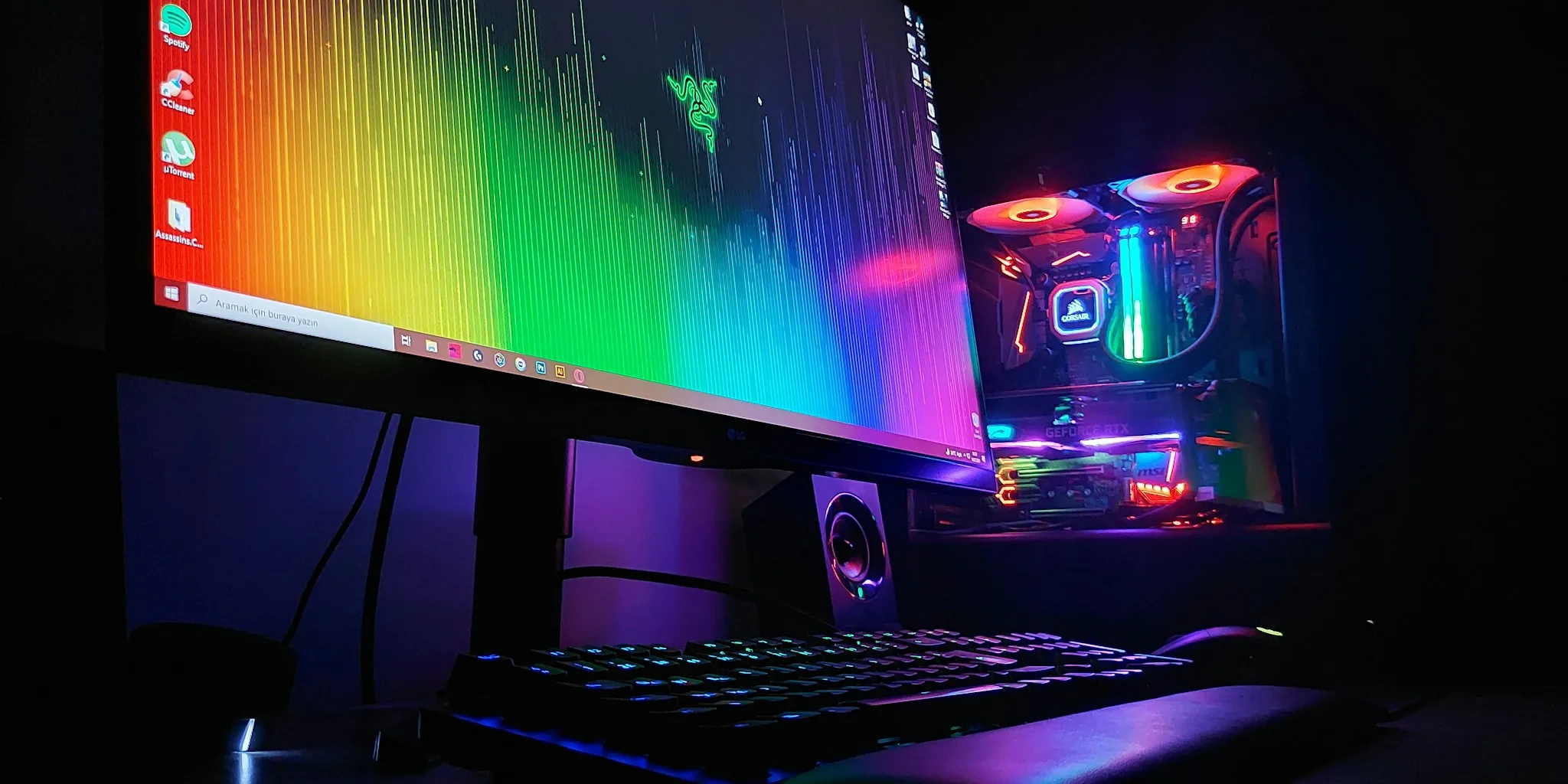
Eight years ago, a major shift in PC gaming graphics arrived with the introduction of Nvidia’s Turing-based graphics cards. The GeForce RTX 2080 and RTX 2080 Ti became the first consumer graphics cards to bring real-time ray tracing to mainstream gaming, a technology that Nvidia had been developing for two decades. At the time, Nvidia’s leadership promised gamers a revolution in visual realism that would feel like stepping into a new era of entertainment.
The flagship RTX 2080 Ti carried an ambitious price tag of $1,200, positioning it as the ultimate choice for enthusiasts willing to invest heavily in cutting-edge performance. The standard RTX 2080 launched at $799 for Nvidia’s Founders Edition, though partner manufacturers like EVGA, MSI, and Gigabyte offered models starting at $699. For context, these cards represented a significant jump in cost compared to the previous generation, with the RTX 2080 commanding a $100 premium over its predecessor flagship.
Initial Promise Versus Reality
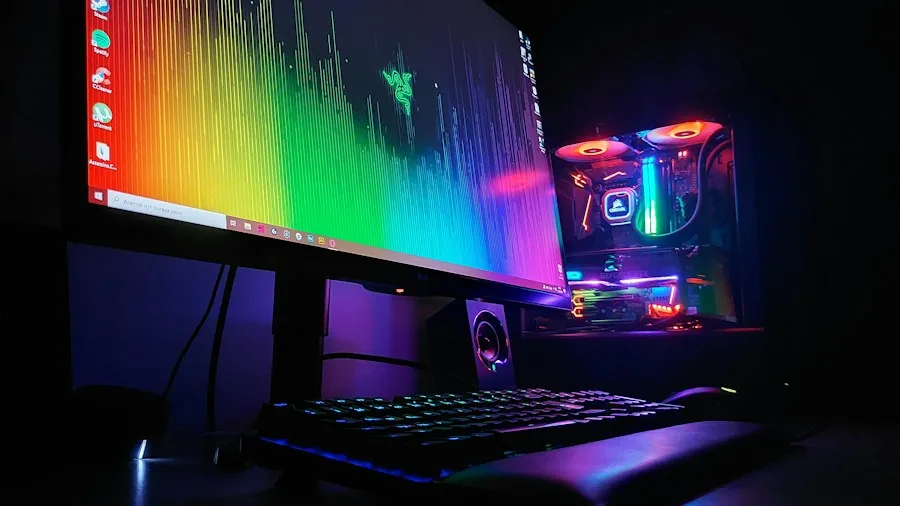
When the RTX 20 series arrived in 2018, the promise of ray tracing was compelling: games would finally deliver photorealistic lighting and reflections that traditional rendering techniques could not achieve. Nvidia executives claimed that once gamers experienced an RTX-powered game with ray tracing enabled, they would never want to return to older graphics technology. Early showcases included blockbuster titles like Battlefield V, Metro Exodus, and Shadow of the Tomb Raider, which demonstrated the potential of the new visual capabilities.
However, the reality proved more complicated. Despite the technological achievement, relatively few games actually supported ray tracing during the card’s initial months on the market. Gamers found that enabling ray tracing produced significant performance drops, requiring substantial computational power to maintain acceptable frame rates. Many consumers began questioning whether the visual improvements justified the performance penalty and the substantial cost. Graphics cards under $500 remained far more practical for the average player, even if they lacked Turing’s advanced ray tracing capabilities.
A Technology Ahead of Its Time
The RTX 20 series faced an unexpected challenge: the gaming industry as a whole was not yet ready to fully embrace ray tracing. Game developers had built their engines and pipelines around traditional rasterization techniques perfected over decades. Transitioning to ray tracing required substantial reworking of how light and shadows were calculated in games. Without widespread software support, the Turing generation’s most distinctive feature remained largely underutilized.
It took subsequent graphics card generations, combined with advanced upscaling technologies like DLSS, to make ray tracing genuinely accessible to mainstream gamers. Even today, budget-conscious buyers seeking graphics cards under $300 cannot effectively use ray tracing, making traditional rendering the practical choice for cost-conscious shoppers.
What This Means for Today’s Buyers
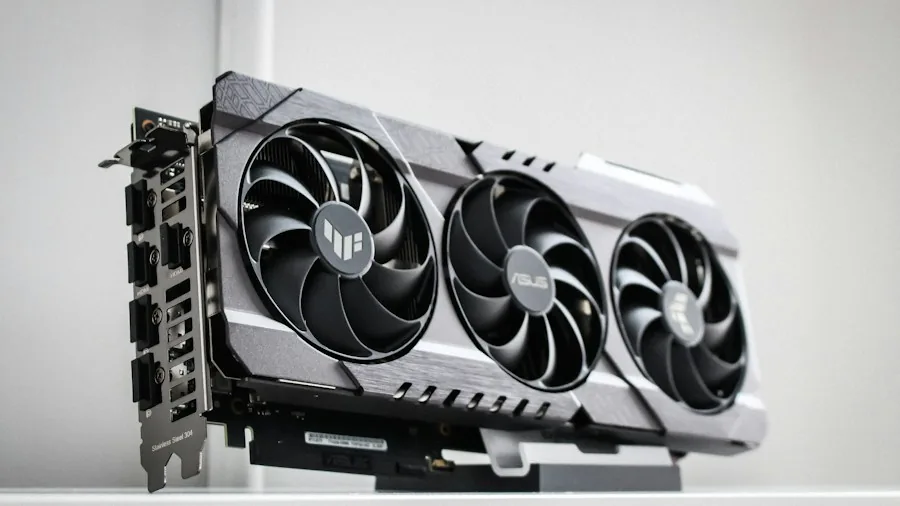
Looking back, the RTX 2080 and 2080 Ti represented a bold technological bet that took years to pay off. The cards themselves were genuinely fast, with the RTX 2080 comfortably outperforming the legendary GTX 1080 Ti, though at a higher price. The RTX 2080 Ti delivered approximately 26 percent better gaming performance than the GTX 1080 Ti, a meaningful but not dramatic improvement relative to its $1,200 cost.
Today’s shoppers benefit from lessons learned during the Turing generation’s lifespan. Ray tracing support has finally become mainstream across gaming platforms, from consoles to mobile devices. However, the technology’s adoption remains gradual, and many players still prioritize traditional performance over ray tracing visual enhancements. The forced march toward ray tracing has been far less rapid than originally predicted, with gaming at realistic settings still depending heavily on more established rendering methods.
The Lasting Legacy
The RTX 20 series launch demonstrates an important lesson for consumers: early adoption of revolutionary technology carries significant risk and expense. While ray tracing ultimately proved to be a worthwhile direction for PC gaming, the journey involved years of limited software support, performance compromises, and expensive hardware requirements. Subsequent graphics card generations would offer better value, delivering ray tracing capability with superior efficiency and lower costs.
For modern buyers evaluating graphics cards, the takeaway is clear: transformative technologies often arrive ahead of the software ecosystem that will truly utilize them. Choosing a graphics card today means balancing cutting-edge capabilities with practical real-world performance in current games, rather than betting entirely on features that may take years to become truly mainstream.
About the author
Katrina covers graphics cards for REMOVU, tracking gaming performance, features, and value as prices shift with every launch. She helps builders find the right GPU for their resolution and budget.