Apple A20 Pro Shatters Single Core Records: What This Means for Desktop PC Shoppers
A new mobile processor just beat AMD and Intel flagships in single-core benchmarks. Here's what it means for your next computer purchase.
 By Irene Hopkins
Updated September 12, 2026
By Irene Hopkins
Updated September 12, 2026
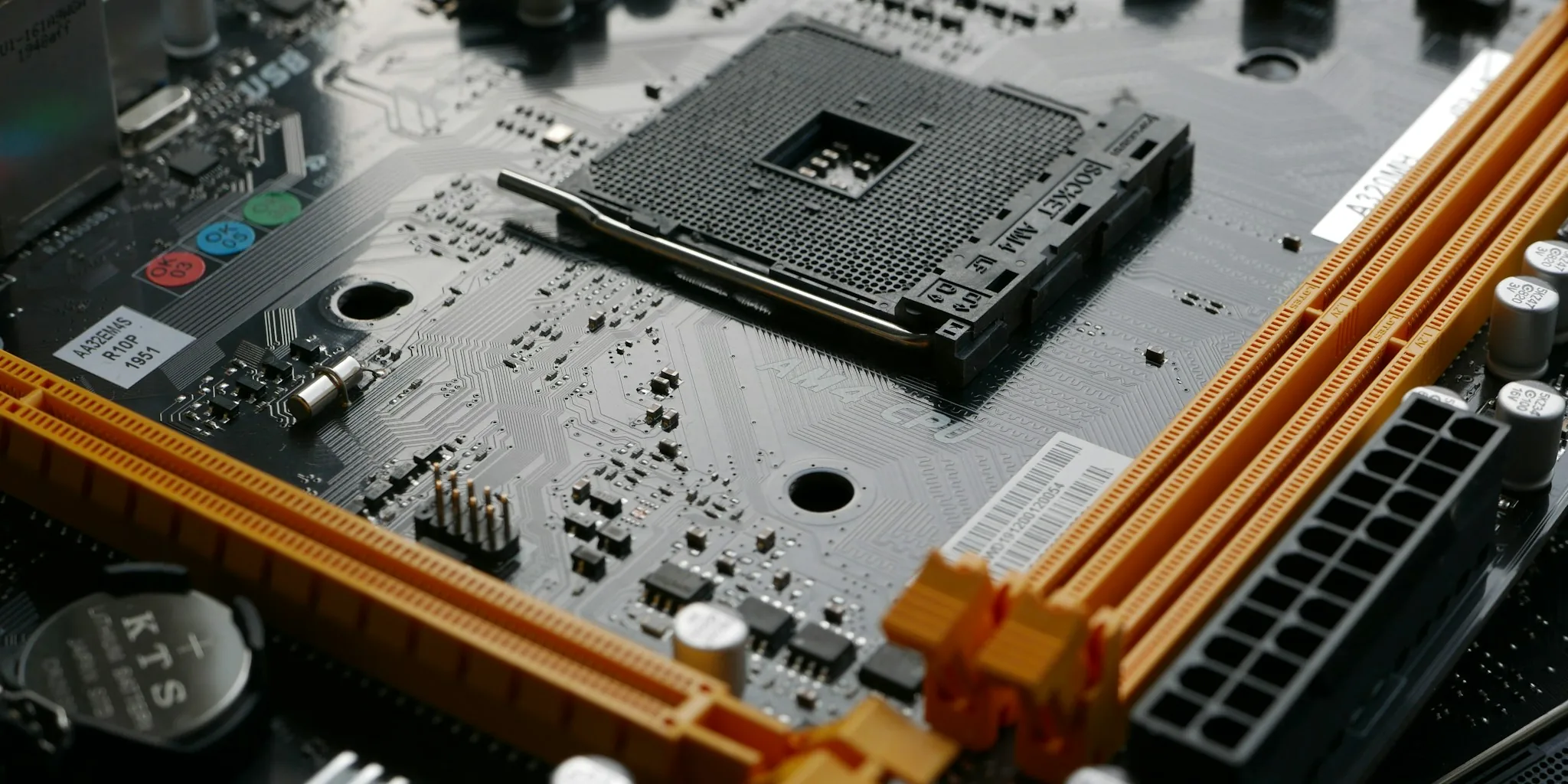
Apple has announced a major milestone in processor performance that is turning heads across the computing industry. The company’s new A20 Pro chip, built on cutting-edge 2nm technology, has set a new single-core performance record in Geekbench 7, surpassing desktop CPUs from both Intel and AMD by significant margins. For shoppers considering their next computer purchase, understanding what this breakthrough means is essential to making an informed decision.
The Record That Changed Everything
Apple’s A20 Pro has achieved a Geekbench 7 single-core score of 4,006 points, crushing the previous records held by flagship desktop processors. The chip outperforms AMD’s top-tier Ryzen 9 9950X3D by 26 percent and Intel’s Core i9-14900KS by 32 percent in single-threaded workloads. This represents a remarkable achievement for a processor designed primarily for smartphones, where space and power constraints are far more restrictive than in desktop systems.
The jump from the previous generation, the A19 Pro, is equally impressive. Apple’s new chip delivers 23.3 percent higher single-thread performance and 27.1 percent higher multi-threaded performance compared to its predecessor. This generation-over-generation leap is one of the largest improvements Apple has achieved with its mobile processors in years.
How Did Apple Achieve This?
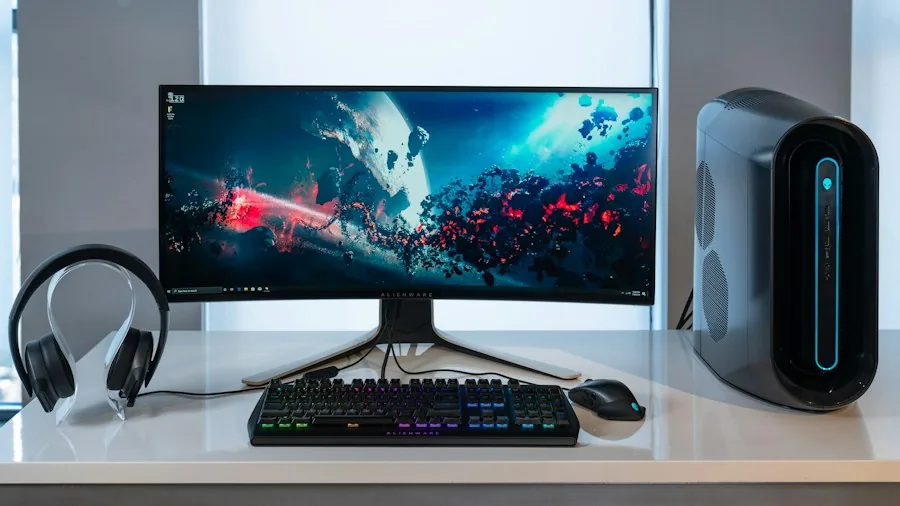
The A20 Pro’s breakthrough performance stems from several key design decisions. The chip features two desktop-class general-purpose cores operating at frequencies up to 4.93 GHz, paired with four efficiency cores for lighter tasks. What sets this design apart is Apple’s use of TSMC’s advanced N2 process node, which is smaller and more efficient than previous generations.
The new design incorporates architectural enhancements including improved front-end bandwidth, a redesigned cache hierarchy, and better branch prediction. Additionally, the memory interface provides 50 percent more bandwidth compared to the A19 Pro, which helps the processor handle demanding workloads more efficiently. These architectural refinements, combined with the higher clock speeds, create a processor that punches well above its weight class.
Desktop CPUs Still Rule Multi Threaded Performance
While the A20 Pro’s single-thread dominance is undeniable, it’s important to understand the complete picture. Desktop processors from AMD and Intel maintain their advantage in multi-threaded workloads, where many tasks run simultaneously. This is where high-end desktop processors like those in the Ryzen 9 family show their true strength.
For example, while the A20 Pro outperforms most flagship smartphone processors dramatically, it cannot match the multi-threaded performance of high-core-count desktop chips. This distinction matters significantly for users who run video editing software, 3D rendering applications, or other computationally intensive tasks requiring parallel processing power.
Comparison to Laptop Processors
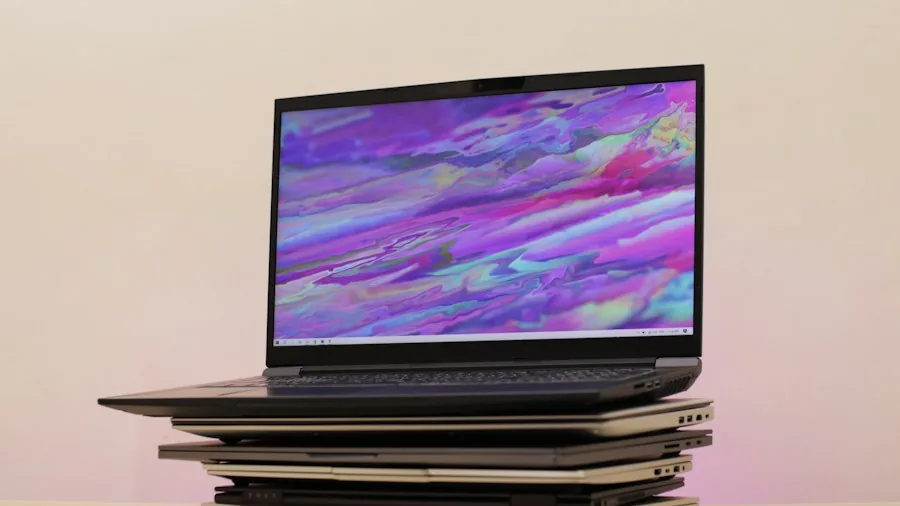
The story becomes more interesting when comparing the A20 Pro to laptop processors. Apple’s mobile chip demonstrates performance comparable to traditional laptop CPUs in multi-threaded scenarios. The A20 Pro is 7 percent faster than Apple’s M5 laptop processor in single-threaded performance and maintains competitive multi-threaded capabilities despite having only six cores compared to the M5’s ten cores.
Against Intel’s newer Panther Lake mobile processors, the A20 Pro is 48.7 percent faster in single-threaded work, though it falls behind in multi-threaded benchmarks. This positioning makes the A20 Pro competitive with laptop-class performance despite being designed for smartphones.
What This Means for Shoppers
For those shopping for desktop computers or building custom systems, this breakthrough doesn’t necessarily change purchasing decisions immediately. Desktop processors excel at the tasks they’re designed for: heavy multi-threaded workloads, gaming, content creation, and data processing. AMD Ryzen processors and Intel’s latest chips remain essential for power users who need sustained multi-threaded performance.
However, this achievement signals important trends in computing. Smartphone processors are becoming more powerful and capable of handling tasks previously reserved for laptops. The integration of desktop-class processor cores into a mobile device demonstrates how rapidly chip design is evolving. Apple’s engineering choices here may influence future processor designs across the industry.
The Broader Implications
The A20 Pro’s performance breakthrough is significant because it represents what’s possible with advanced manufacturing processes and sophisticated architecture design. The transition to TSMC’s 2nm node has enabled Apple to pack desktop-grade performance into a space-constrained mobile device.
For shoppers evaluating processor options across different categories, this development underscores that performance metrics vary by workload. Single-threaded performance matters for web browsing, everyday productivity, and light creative work. Multi-threaded performance drives serious content creation, scientific computing, and professional applications.
Understanding your actual usage patterns remains the most important factor in choosing the right processor. The A20 Pro’s single-core supremacy is impressive and real, but desktop and laptop processors continue serving different needs in the computing ecosystem.
About the author
Irene reviews desktop PCs for REMOVU, balancing performance, upgradability, and value for home and office use. She helps readers choose a tower that delivers more per dollar than a laptop and lasts through easy upgrades.