Windows 11 on Foldable Phones: What This Breakthrough Means for Shoppers
Developer runs Windows 11 on OnePlus Open, revealing possibilities for foldable device evolution.
 By Eleanor Garcia
Updated November 5, 2026
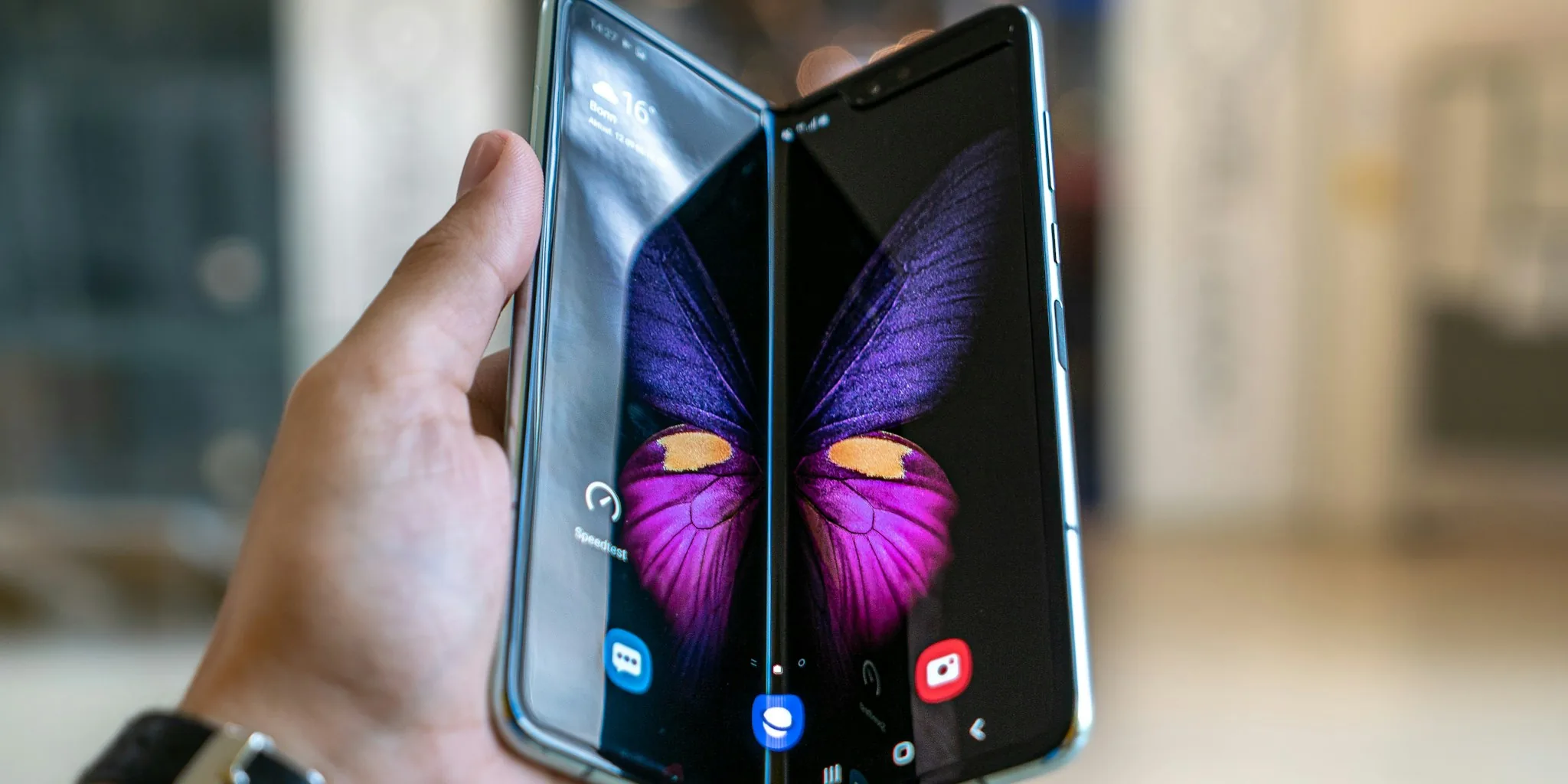
A developer recently achieved something remarkable: getting Windows 11 to run on the OnePlus Open, one of the market’s most advanced foldable phones. While this was a passion project rather than a commercial product, it reveals important possibilities about how foldable devices could evolve and what consumers should understand about the future of mobile technology.
How Windows 11 Made Its Way onto a Foldable Device
Getting an operating system designed for desktop and laptop computers to function on a foldable phone required significant technical work. The developer, Kevin Shroff, removed Android entirely from the OnePlus Open and optimized the setup to prioritize the large inner folding screen. The project combined Windows 11, original equipment manufacturer firmware, and custom software modifications. While this approach was experimental, it demonstrated that the barrier between traditional computing platforms and mobile devices is becoming increasingly blurred.
The OnePlus Open itself has earned recognition as one of the best foldable phones available, praised for its expansive displays and capable camera system. Its nearly square inner screen created an ideal canvas for testing how Windows 11 could adapt to unconventional screen dimensions.
Which Features Actually Worked
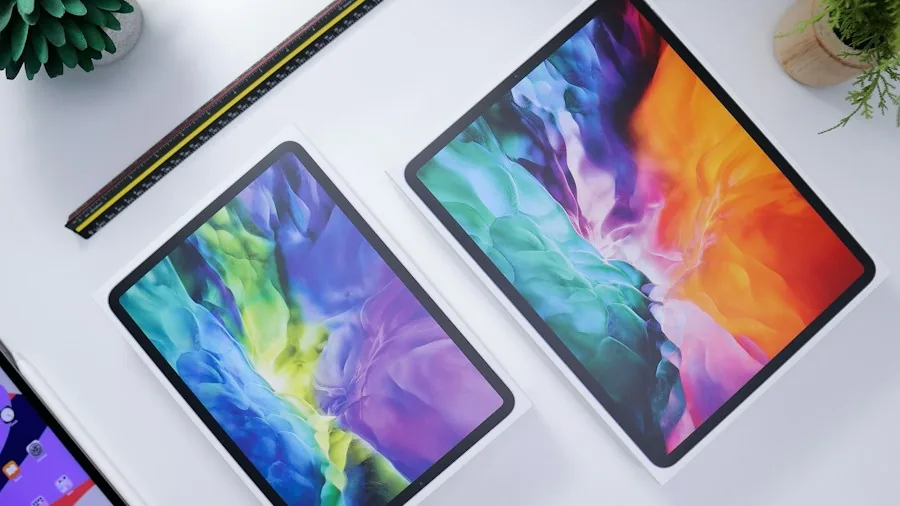
The results were mixed but encouraging for enthusiasts. Touch input functioned properly, which is essential for any modern device. Several Windows 11 features scaled well to the foldable format and the interface adapted more naturally than many expected. However, important functions remained incomplete or non-functional, including audio output, Bluetooth connectivity, cellular capabilities, Wi-Fi, and charging. These limitations underscore that this was a proof-of-concept rather than a practical everyday device.
Despite these gaps, the achievement shows that Windows 11 possesses architectural flexibility. Unlike Windows 10, which looked cramped and awkward on unconventional screens, Windows 11 was designed with devices like dual-screen laptops and gaming handhelds in mind. The operating system’s taskbar and Start menu adapted smoothly to the tall, narrow proportions of the OnePlus Open’s unfolded display.
Why This Matters for the Foldable Market
Understanding how operating systems scale to different screen shapes has real implications for consumers shopping for mobile devices. Software compatibility and how interfaces adapt to hardware determine whether foldable phones feel like complete devices or experimental prototypes. When an operating system is built with flexibility in mind, manufacturers have more freedom to design innovative form factors.
This project also illustrates what might have been possible with Microsoft’s Surface Duo line. The dual-screen device represented an ambitious vision for productivity on mobile platforms, but it ultimately did not capture significant market share. Seeing how Windows 11 could theoretically work on a modern foldable raises questions about whether a renewed push into foldable computing devices could have succeeded under different circumstances.
The Gap Between Experimentation and Commercial Reality
It is important to distinguish between what developers can achieve in personal projects and what manufacturers deliver to consumers. This Windows 11 foldable was never intended to replace Android on the OnePlus Open or compete with production devices. Rather, it serves as a demonstration of how far technology can be pushed when conventional limitations are removed.
Consumers shopping for foldable phones today should focus on what current products deliver: refined Android experiences, strong build quality, capable cameras, and reliable performance. The OnePlus Open excels in these areas, and competing foldables from Samsung and other manufacturers continue to improve with each generation. Real-world foldable phones prioritize practical concerns like durability, battery life, and software stability.
What This Reveals About Mobile Computing
The broader significance lies in recognizing that the traditional divide between phones, tablets, and computers is genuinely blurring. Operating systems are becoming more adaptable, hardware manufacturers are experimenting with unconventional form factors, and consumers are gaining access to increasingly sophisticated devices. A foldable phone with a nearly tablet-sized interior screen occupies a unique space in that spectrum.
For shoppers evaluating their next device purchase, this development reinforces why software flexibility matters. An operating system that scales intelligently to different screen sizes and aspect ratios enables manufacturers to take bigger risks with hardware innovation. Over time, this could lead to more compelling options for consumers who want computing power beyond what traditional smartphones provide.
The OnePlus Open and its competitors represent the cutting edge of current foldable technology, but projects like this Windows 11 demonstration suggest that future foldables could offer even greater versatility. Whether that means dual-operating-system devices, more powerful processors, or better integration with desktop computing remains to be seen. For now, consumers can appreciate that talented developers continue exploring what is possible, even if their experiments do not immediately translate into products you can buy tomorrow.
About the author
Eleanor covers smartphones for REMOVU, balancing cameras, battery life, and software support against price. She helps readers find the best value as the field shifts with every release.