Wide Smartphone Design is Gaining Traction Among Shoppers
Consumer surveys show nearly half of buyers want to try wide, non-folding phones, signaling a potential market shift.
 By Eleanor Garcia
Updated September 26, 2026
By Eleanor Garcia
Updated September 26, 2026

The smartphone market is experiencing a subtle but significant shift in consumer preferences. Recent polling data reveals that buyers are increasingly drawn to a new category of wide, non-folding phones that challenge the conventional narrow rectangular shape most people have carried for years.
This emerging trend comes as manufacturers experiment with form factors beyond traditional designs. Samsung’s Galaxy Z Fold 8 and Apple’s iPhone Duo have introduced folding screens to mainstream consumers, yet surprisingly, a non-folding wide phone from Huawei has captured even more enthusiasm. The Huawei Pura X View launched recently and generated substantial consumer interest, with nearly half of survey respondents expressing genuine curiosity about trying this new form factor themselves.
What the Data Shows About Consumer Preferences
Survey results provide clear insight into where buyer sentiment lies. Nearly 50 percent of respondents indicated they would be interested in adopting a wide, non-folding smartphone. The aspect ratio of the Pura X View notably resembles a Kindle e-reader, which resonated with significant segments of the surveyed audience who appreciated the comparison. However, not all reactions were positive. Approximately 25 percent of voters expressed concerns about whether such a wide form factor would prove comfortable to hold during regular use. Only about 7 percent of respondents expressed a preference for folding designs, while fewer than 5 percent showed interest in wide flip phones, suggesting that the appeal lies specifically in non-folding wide devices.
These numbers indicate a meaningful departure from where the smartphone industry focused its innovation efforts just a few years ago. Smartphones have largely adhered to a single form factor for the better part of a decade, and consumers appear hungry for alternatives that break this monotony.
How the Phablet Form Factor Could Make a Comeback
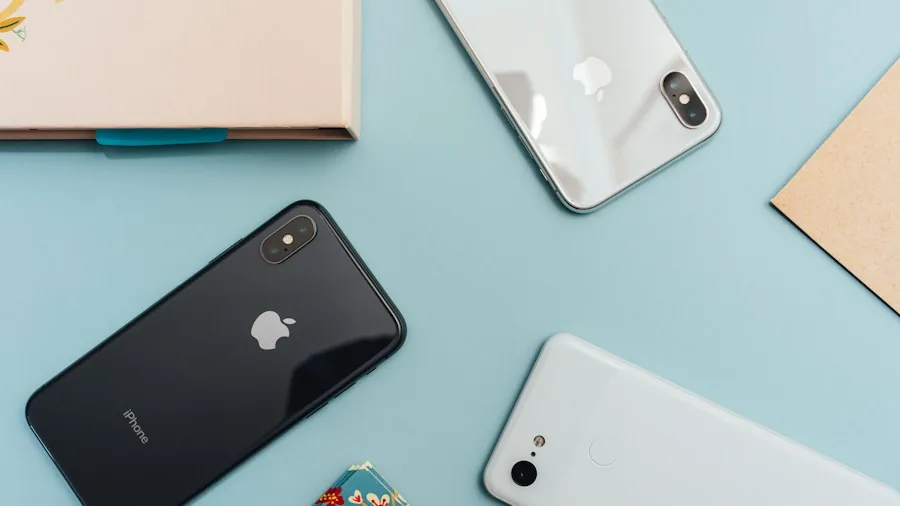
The rise of wide phones bears striking similarities to the phablet era of the 2010s, when manufacturers pushed screen sizes to unusual proportions. That trend eventually subsided as conventional smartphones became larger overall, but consumer interest in distinctive form factors never fully disappeared. The wide non-folding design may represent a genuine path toward reviving variety in the market.
It is worth noting that while Huawei’s Pura X View generated excitement, Apple and Samsung carry substantially greater influence in shaping global smartphone trends. Neither company has formally announced plans to release a wide, non-folding model in the immediate future. However, the competitive landscape includes other manufacturers like Motorola, Xiaomi, and Honor that may view this as an opportunity to differentiate their offerings and capture buyer attention with something genuinely novel.
Competition between brands has historically accelerated innovation across the entire industry. When one manufacturer takes a bold design risk and generates consumer enthusiasm, others typically respond with their own interpretations. This dynamic cycle benefits shoppers by preventing stagnation and encouraging manufacturers to invest in genuinely different approaches rather than incremental refinements.
What This Means for Your Next Phone Purchase
If you have felt frustrated watching flagship models recycle nearly identical designs year after year, this trend offers genuine reason for optimism. The market is showing clear signals that buyers want more variety in how their phones look and feel. Manufacturers are paying attention to polling data like this, and positive consumer sentiment toward unconventional form factors provides them with justification to greenlight experimental projects that might otherwise never reach production.
For shoppers specifically, this shift creates several potential benefits. A return to diverse phone designs means you will have more genuine choices rather than selecting between models that differ mainly in processing power or camera megapixels. Wide phones could appeal to people who enjoy larger screens for reading, video consumption, or creative work, while the non-folding design means greater durability compared to folding alternatives. Those interested in complementary accessories like smartwatches for iPhone users or wireless earbuds for iPhone will benefit from a more diverse ecosystem as manufacturers compete to create unique experiences.
The conventional wisdom that all phones must follow a single narrow template is being challenged. Consumer surveys showing genuine interest in wide form factors give manufacturers permission to explore different possibilities. Whether Apple, Samsung, or Google ultimately decides to launch their own wide non-folding model remains uncertain, but the seed of consumer demand has clearly been planted.
The smartphone industry thrives when companies take calculated risks and try something different. Buyer enthusiasm for the Huawei Pura X View suggests that the appetite for experimentation extends well beyond the company’s home market. If this trend continues building momentum, we could see the next few years bring more authentic variety to store shelves, giving shoppers the choice and innovation many have been missing.
About the author
Eleanor covers smartphones for REMOVU, balancing cameras, battery life, and software support against price. She helps readers find the best value as the field shifts with every release.