When to Replace Your Soundbar: Key Signs and What Shoppers Should Know
Crackling audio, outdated connections, and missing features all signal it's time for an upgrade.
 By Michelle Mendoza
Updated August 31, 2026
By Michelle Mendoza
Updated August 31, 2026
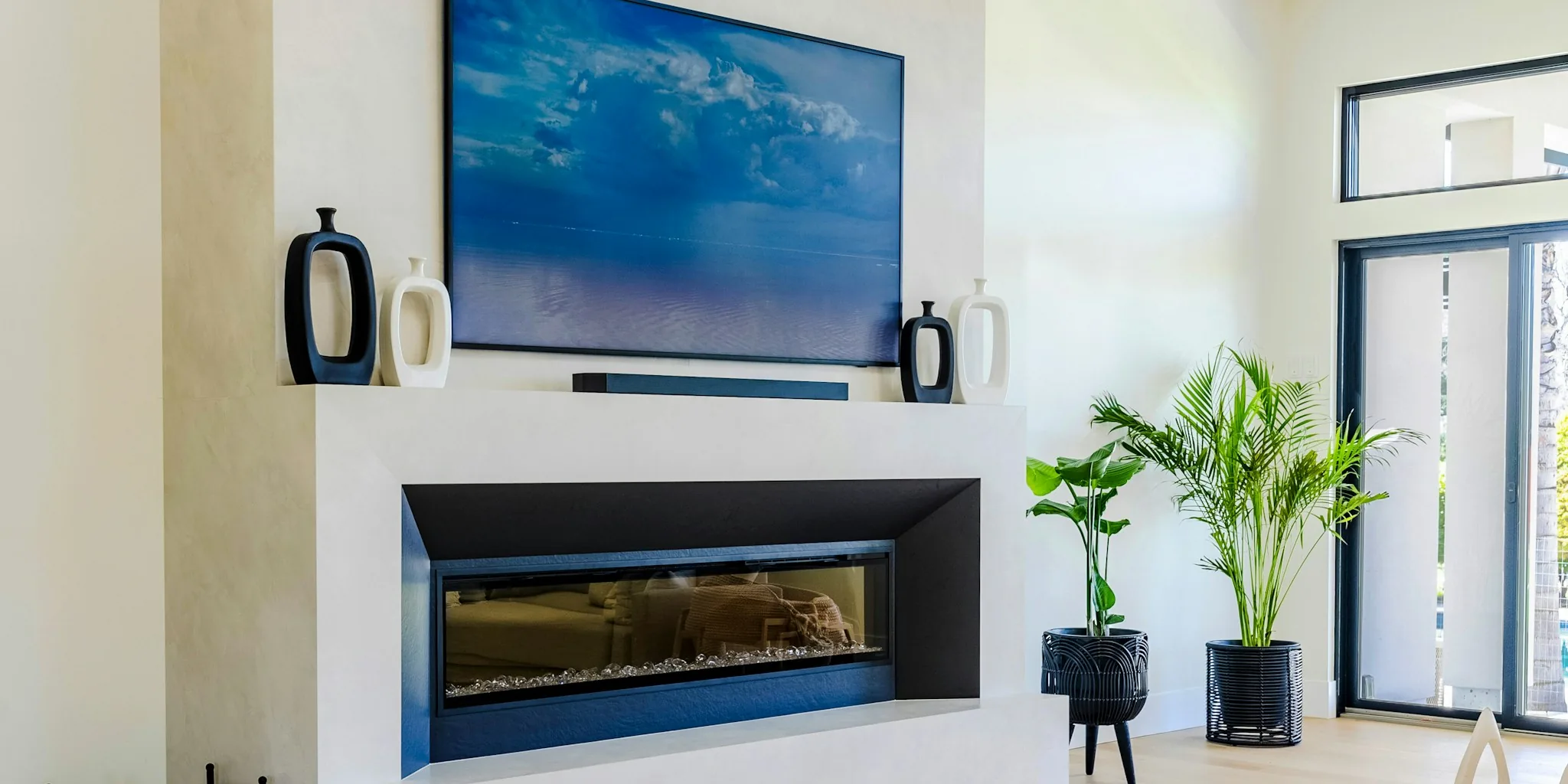
Your soundbar or surround sound system is supposed to elevate your entertainment experience, delivering immersive audio that flat TV speakers simply cannot match. But like any electronics, these devices eventually show signs of wear and degradation. Knowing when it’s time to upgrade can help you decide whether a repair or replacement makes the most sense for your budget and listening habits.
Audio Quality Issues Signal It’s Time for an Upgrade
One of the clearest indicators that your soundbar needs replacing is a decline in sound quality. If you notice crackling or distortion when playing audio at moderate to high volumes, internal components may be suffering heat damage. Pushing amplifiers beyond their limits can permanently damage voice coils and other parts, turning temporary audio issues into permanent ones.
Beyond crackling, watch for other red flags like completely blown-out drivers, missing frequencies, or noticeable audio delays that persist even after checking your connections. These symptoms typically indicate that your speaker is nearing the end of its usable life and a replacement will provide better performance than ongoing repairs.
Physical Damage and Environmental Wear
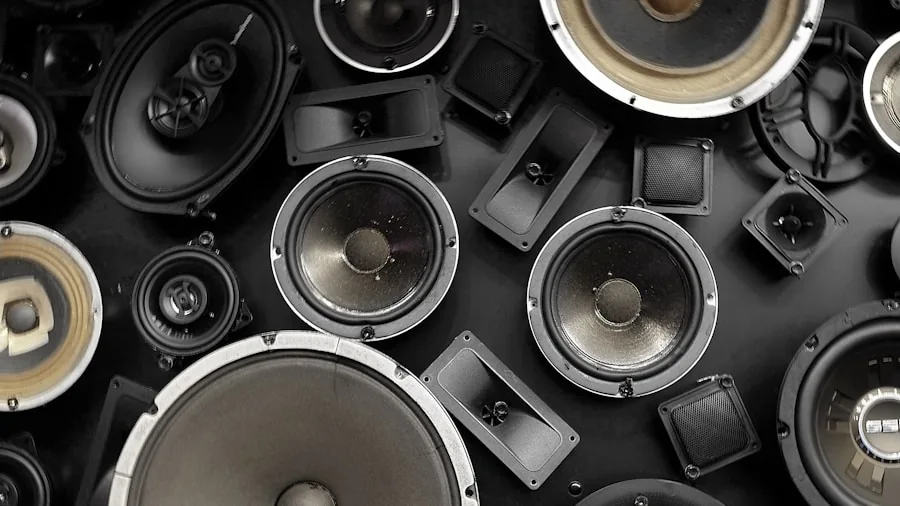
Soundbars and surround speakers can suffer damage from accidental drops, water spills, prolonged sunlight exposure, or electrical surges. While some physical damage is repairable, repeated impacts or exposure to harsh conditions can cause internal components to misalign or fail entirely. If your speaker shows visible damage and audio quality has suffered as a result, investing in a new unit often makes more sense than attempting repairs.
Your System Lacks Support for Modern Audio Formats
Modern entertainment demands modern audio technology. Current soundbars should support advanced formats like Dolby Atmos and DTS:X, which require HDMI eARC (Enhanced Audio Return Channel) connections to deliver their full potential. If your system relies on older optical cables, 3.5mm jacks, or RCA connectors, you’re missing out on the bandwidth needed for these premium audio formats.
Older connections can only deliver compressed, basic stereo or standard surround sound. Avoid using Bluetooth as a workaround, since wireless connections introduce latency and further compress your audio. If your soundbar predates HDMI eARC support, you’re leaving significant audio quality on the table.
Missing Essential Modern Features
Beyond format support, contemporary soundbars under $500 now come packed with useful features your older system likely lacks. Automatic room calibration optimizes sound based on your space’s acoustics. Speech enhancement modes make dialogue easier to hear during movies and shows. Multi-device pairing allows compatible speakers to work together for richer spatial audio.
If your system supports none of these conveniences, an upgrade will dramatically improve your listening experience, especially if you’ve invested time and money in improving your entertainment room’s acoustics.
Repair Costs Exceed the System’s Value
Before replacing your soundbar, get repair quotes from qualified technicians. However, if multiple issues have developed, repair costs can quickly exceed the original purchase price. This is especially true for older models where replacement parts are hard to source, making professional repairs either impossible or prohibitively expensive. At that point, purchasing a new unit is the financially prudent choice.
Your System Uses an Outdated Amplifier Setup
If you’re running passive speakers with a separate amplifier, you may be dealing with unnecessary complexity and potential reliability issues. Passive amp systems are prone to overheating, electrical surges, and audio distortion when overloaded with connections. Most modern commercial speakers are now active models, with built-in amplifiers that eliminate these headaches.
Switching to an active speaker system or modern soundbar removes this layer of complexity while typically delivering better audio quality and reliability.
Remote Control Clutter Signals System Age
If your soundbar requires its own dedicated remote, that’s a reliable sign it’s outdated. Modern systems support HDMI CEC (Consumer Electronics Control), allowing you to control your TV, streaming device, and sound system with a single remote. Beyond the convenience factor, a soundbar without HDMI CEC support is probably old enough in other ways to warrant upgrading anyway.
Neglected Maintenance Is Taking Its Toll
Dust accumulation on speaker grilles and cones reduces audio output and generates excess heat. Regular maintenance with a microfiber cloth and gentle vacuuming can extend your system’s life, but if you’ve neglected cleaning for years, damage to internal components may already be done. Affordable soundbars under $200 now offer excellent performance, making replacement a reasonable alternative to cleaning and hoping an old system performs like new again.
Making Your Replacement Decision
If your soundbar shows one or two of these warning signs, repairs might still be worthwhile. But when multiple issues have developed, or when your system simply lacks modern connectivity and features, replacement is the smarter investment. You’ll gain better audio quality, current technology support, and the convenience features today’s systems offer.
About the author
Michelle covers soundbars for REMOVU, comparing clarity, bass, and Atmos support across single bars and full systems. She helps readers fix thin TV audio at any budget.