Study Links Irregular Sleep Schedules to Depression and Anxiety: What Smart Rings Can Tell You
Researchers find irregular sleep schedules tied to depression and anxiety. Here's how smart rings can help.
 By Isabella Reyes
Updated November 15, 2026

A groundbreaking study from researchers at the University of California, San Francisco, and the University of California, San Diego, has uncovered a significant relationship between sleep schedule consistency and mental health. The findings suggest that maintaining a regular bedtime and wake time may play a crucial role in managing symptoms of depression, anxiety, and loneliness, and that smart rings could help shoppers monitor and improve this important health metric.
What the Research Found
The study analyzed sleep data from more than 23,000 participants, each providing an average of 154 days of sleep information. Participants wore smart rings that tracked their sleep and wake times using motion sensors and biosensing technology. Researchers calculated a Sleep Regularity Index (SRI) on a scale of 0 to 100, where higher scores indicate more consistent sleep patterns. The results revealed a clear correlation between sleep regularity and mental health outcomes.
Among participants with no depressive symptoms, the average SRI was 84, meaning their bedtimes and wake times shifted by roughly an hour from day to day. Those reporting severe depression averaged an SRI of 75, corresponding to shifts closer to an hour and a half. Similar patterns emerged for anxiety and loneliness, with more irregular sleep schedules showing stronger associations with these conditions.
Researchers also noted that the relationship between irregular sleep and mental health could work both directions. A poor sleep schedule might be a symptom of mental health challenges, but it could also contribute to developing them. This bidirectional link makes sleep consistency a particularly important factor for overall wellbeing.
How Wearable Technology Plays a Role
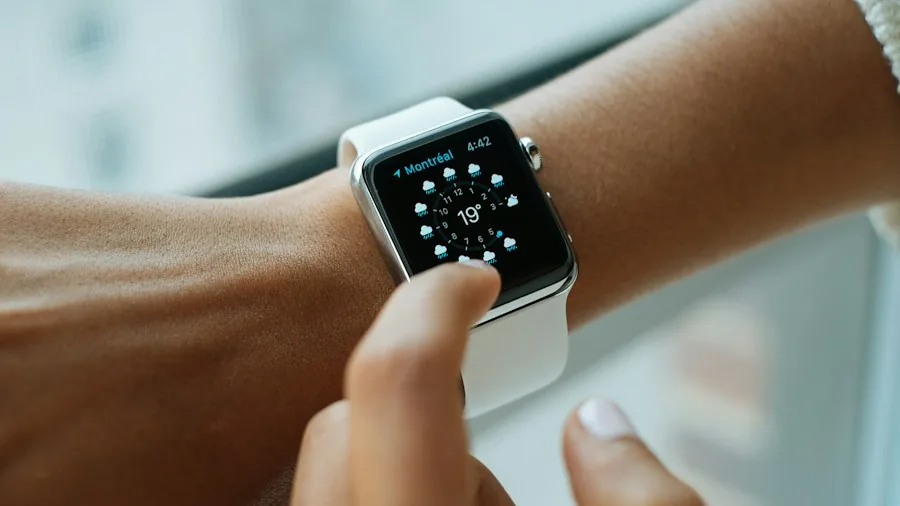
For years, wearable devices from major technology companies have tracked basic sleep metrics like total hours and sleep quality. However, the ability to measure and monitor sleep schedule consistency has only recently become practical through consumer-grade smart rings and smartwatches. These devices passively collect data about when you fall asleep and wake up, making it possible to calculate your Sleep Regularity Index without requiring any additional effort from the user.
Modern wearables go beyond simple tracking. Smart rings worth buying for every health goal typically pair with companion smartphone applications that provide detailed breakdowns of your sleep patterns. These apps can show average sleep onset time, hours slept per night, sleep quality ratings, and how your patterns change week to week. Many devices also offer scheduling features that send reminders when it’s time to prepare for bed, helping users establish and maintain consistent sleep routines.
Some wearables can even detect signs of sleep apnea and other sleep disorders, adding another layer of health insight. This capability means that a device designed primarily for fitness tracking and general wellness monitoring can provide meaningful information about conditions requiring medical attention.
What This Means for Shoppers

The research demonstrates that sleep regularity is not just a wellness metric promoted by marketing departments but a clinically significant health indicator. For shoppers considering whether to invest in a smart ring or smartwatch, this study provides evidence that these devices can serve as valuable tools for self-awareness and behavioral change.
If you experience symptoms of depression, anxiety, or feelings of isolation, tracking your sleep schedule consistency could help you identify patterns you might not otherwise notice. Many people maintain inconsistent sleep routines without realizing how this inconsistency might be affecting their mood and mental health. A wearable device can make these patterns visible and measurable, enabling you to take actionable steps.
The researchers specifically noted that wearables could gather sleep regularity information and provide data-driven recommendations to help users adjust their sleep habits. Rather than simply telling you that you slept poorly, these devices can suggest ideal bedtimes and wake times based on your specific patterns and goals. Smart rings for fitness worth buying right now often include this feature as a core capability.
Important Considerations
While the research is promising, it’s important to note that the study observed correlations between sleep regularity and mental health but did not evaluate whether improving sleep consistency would actually reduce symptoms of depression or anxiety. The researchers themselves highlighted this as an important area for future investigation.
Additionally, if you are experiencing symptoms of depression, anxiety, or other mental health challenges, consulting with a certified healthcare professional remains the most important step. Wearable devices should be considered a supporting tool that helps you track and understand your habits, not a replacement for professional medical care or mental health treatment.
The implications of this research suggest that sleep regularity deserves attention alongside sleep quality and duration. As wearable technology continues to improve and become more accessible, consumers now have practical options for monitoring this aspect of their health in real time.
About the author
Isabella writes about smart rings for REMOVU, weighing sensor accuracy, comfort, and subscription costs for sleep and recovery tracking. She helps readers decide whether a ring beats a wrist wearable.