Sony A7C II Dominates Sales Charts Alongside Newest Full Frame Mirrorless Camera
A three-year-old full-frame design dominates sales charts alongside the latest flagship.
 By Lawrence Hale
Updated August 26, 2026
By Lawrence Hale
Updated August 26, 2026

Japan’s latest camera sales data reveals a fascinating shift in buyer priorities. While Sony’s freshly released A7 V leads the sales rankings, a three-year-old model is proving that newer doesn’t always mean better for photographers weighing their purchasing decisions.
The Unexpected Sales Winner
According to major Japanese retailer Yodobashi, the Sony A7 V claimed the top spot in early August sales. Launched in late 2025, this full-frame mirrorless camera has earned significant acclaim, winning Camera of the Year honors twice from EISA and the Camera Grand Prix, plus Best Full Frame Expert Camera at the TIPA World Awards. Yet the real story lies further down the chart.
The Sony A7C II, released nearly three years earlier in mid-2023, occupies both second and fourth positions on the same sales list. This older model continues to outsell many newer competitors, signaling that shoppers are actively choosing it over the latest technology. Understanding why reveals important lessons about camera value and what photographers actually prioritize in their purchases.
Weight and Cost Drive Real-World Value
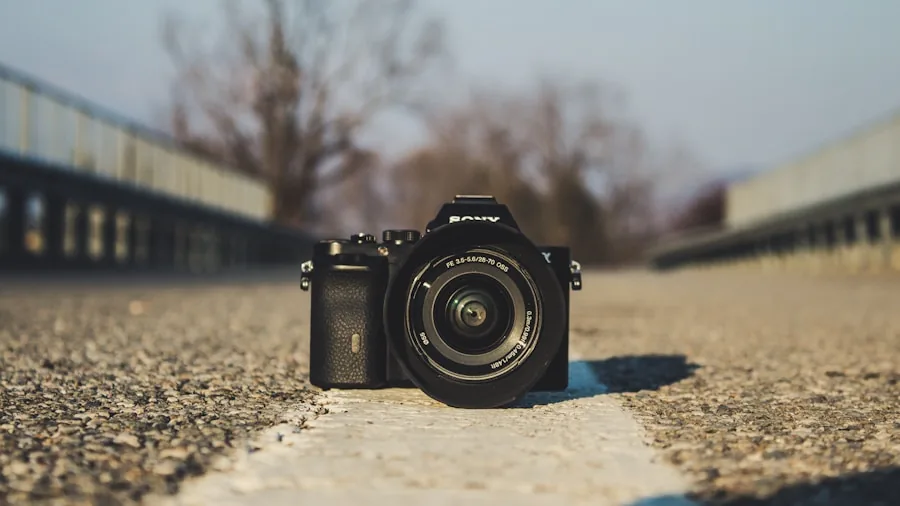
Both cameras represent Sony’s full-frame mirrorless lineup, but they serve different buyer needs. The A7C II weighs just 514 grams, significantly lighter than the A7 V’s 695 grams. For photographers who regularly carry their gear on extended shoots or travel assignments, this difference translates to genuine daily advantage.
Price differentiates the cameras equally. The A7C II retails for approximately $2,498 in the United States and £1,999 in the United Kingdom. The newer A7 V costs $2,898 and £2,799 respectively, making the older model roughly $400 less expensive while maintaining remarkable capability. When camera purchases represent significant investments, this price gap influences real buying decisions.
Performance Depth in an Older Design
Mirrorless cameras have evolved dramatically over recent years, but the A7C II already incorporates features that satisfy demanding photographers. The camera delivers advanced autofocus technology, a 33-megapixel resolution that handles professional printing and large-format reproduction, and dependable video capabilities for multimedia creators.
For many users, these capabilities already exceed their requirements. A photographer shooting portraits or landscapes may never need the A7 V’s newer sensor architecture or AI-powered subject detection. The A7C II provides everything they need for years of reliable creative work. This reality explains why a nearly four-year-old design continues appearing alongside flagship models on bestseller lists.
The Portability Premium
The A7C II’s compact design emerges as a critical advantage that pricing alone cannot capture. Photography professionals and enthusiasts who value maneuverability in tight spaces, hiking through challenging terrain, or maintaining discreet profiles while shooting in public find this weight difference genuinely meaningful. Combined with its smaller footprint relative to the A7 V, the A7C II creates a genuinely portable full-frame option that doesn’t require compromising image quality.
Mirrorless cameras under various price points continue expanding, yet finding one that combines full-frame capability with genuine portability remains challenging. The A7C II achieved this balance three years ago and maintains that advantage today, explaining sustained market demand.
What This Means for Buyers
The sales pattern reveals a market increasingly skeptical of constant upgrade cycles. Shoppers evaluate whether new features justify the expense and whether older models already deliver everything they need. The A7C II’s persistence on bestseller lists demonstrates that proven, capable equipment can outcompete brand-new releases when value, measured in price, portability, and practical performance, matters more than cutting-edge specifications.
Photographers considering full-frame mirrorless options should research whether they genuinely need the latest technology or whether an older model with lower cost and superior portability better matches their creative needs and shooting style. Wildlife and professional photographers often benefit from specialized models, but casual and travel photographers frequently discover that mature camera designs provide everything necessary for satisfying results.
This shift toward value-conscious purchasing affects how manufacturers approach product development and marketing. When consumers consistently choose proven designs over shiny new releases, it signals that the industry should focus on meaningful upgrades rather than iterative changes.
Looking Forward
The simultaneous success of both models suggests Japanese buyers, and likely international consumers following similar patterns, have become more selective about camera purchases. This maturity in the marketplace may slow new model cycles and encourage manufacturers to ensure that new releases offer genuinely compelling advantages rather than marginal improvements.
For shoppers, this environment presents opportunity. Strong used markets exist for capable older models, and current pricing on proven designs has become more competitive. Whether you choose the newest flagship or an older proven performer, extensive evaluation of actual specifications and practical functionality should guide your decision rather than release dates alone.
About the author
Lawrence covers mirrorless and DSLR cameras for REMOVU, weighing image quality, autofocus, and lens ecosystems. He helps photographers choose a body they can grow with.