Smartwatch Calorie Counters Are Less Accurate Than You Think What Shoppers Need to Know
Research shows smartwatches overestimate calories burned. Here's what shoppers should know before relying on these numbers.
 By Kristen Jennings
Updated September 2, 2026
By Kristen Jennings
Updated September 2, 2026
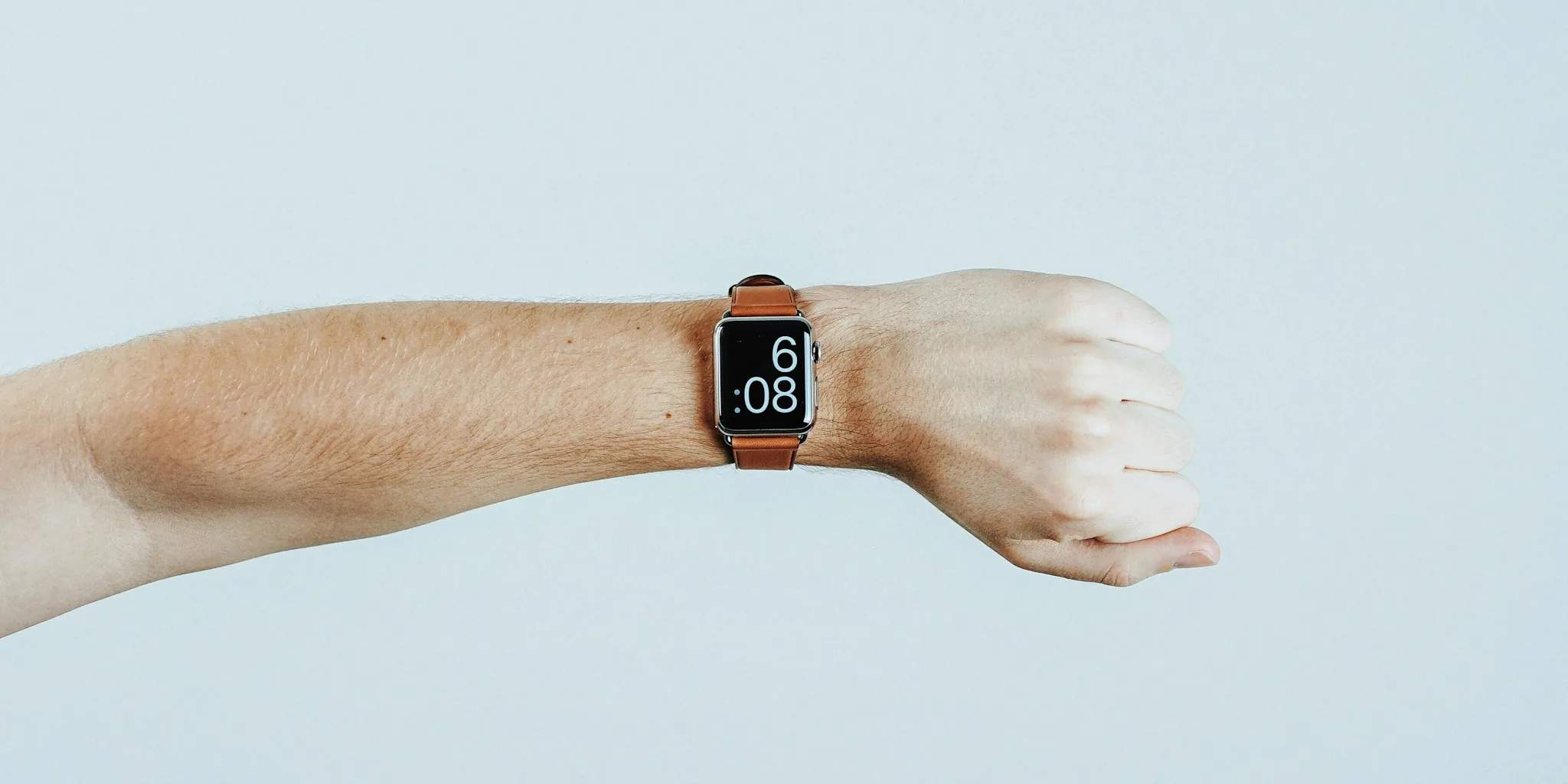
A new study from Florida International University has uncovered a significant problem for anyone relying on their smartwatch to track calories burned during workouts. The research reveals that popular smartwatches consistently overestimate calorie expenditure, which could throw off your fitness goals by hundreds of calories per week.
What the Research Found
Researchers evaluated four of the most popular smartwatches currently on the market: the Apple Watch Series 8, Fitbit Sense 2, Samsung Galaxy Watch 5, and Garmin Forerunner 955. The study involved 58 participants who wore these devices simultaneously while exercising on stationary equipment in a controlled environment.
To measure accuracy, researchers compared each smartwatch’s readings against a Cosmed K5, a specialized device that precisely measures energy expenditure, along with electrocardiogram chest straps that monitored heart rate with clinical accuracy. All devices received the same personal data including age, sex, height, and weight from each participant.
The results were concerning: across all four smartwatches, the average margin of error ranged from 15 to 25 percent, with every device overestimating how many calories participants actually burned. In practical terms, if your smartwatch displays that you burned 200 calories during an evening walk, your actual calorie expenditure likely falls somewhere between 160 and 174 calories. Over the course of a week, this discrepancy could amount to hundreds of unaccounted calories.
Which Smartwatches Performed Better
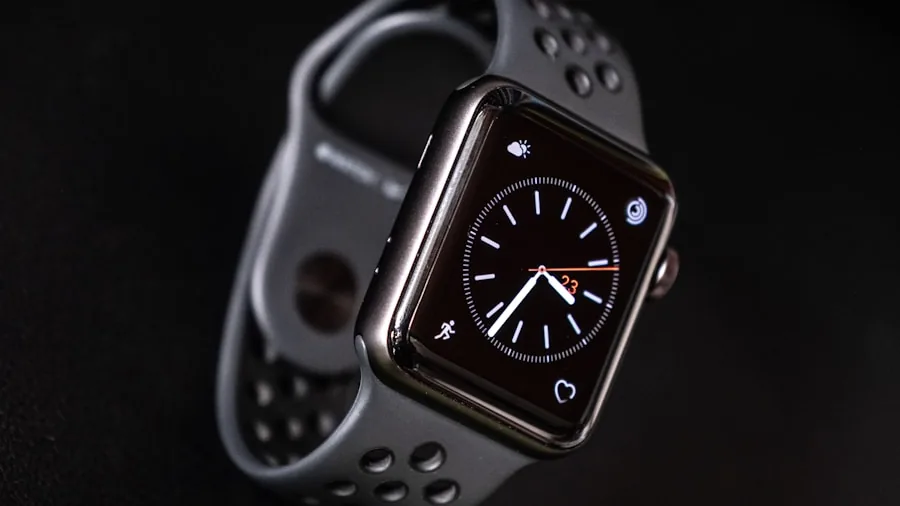
Not all smartwatches performed equally poorly. The Apple Watch Series 8 demonstrated the smallest margin of error among the four devices evaluated, making it relatively more reliable for calorie tracking, though still not highly accurate. The Samsung Galaxy Watch 5 and Garmin Forerunner 955 struggled more significantly with overestimation issues. The Fitbit Sense 2 experienced numerous technical glitches during the evaluation, and researchers had to exclude some of its data due to tracking inconsistencies.
Another interesting finding emerged regarding body composition. Accuracy declined when participants had higher body fat percentages, though researchers have not yet determined the underlying reason for this relationship. This means that the calorie estimates may be even less reliable for certain populations.
What This Means for Your Fitness Goals
Jason Kostrna, the lead researcher and associate professor of kinesiology at Florida International University, issued a clear warning about depending too heavily on smartwatch calorie readings. He noted that relying on these figures daily without questioning their accuracy could lead to significant miscalculations over time, potentially leaving you in a calorie surplus when you believe you are in a calorie deficit, or vice versa.
This finding has important implications for anyone using smartwatches under $200 or premium models alike. If achieving specific fitness or weight loss targets is your goal, the calorie numbers displayed on your wrist should not be your sole guide.
How to Use Your Smartwatch More Effectively
The research does not suggest that smartwatches are useless for fitness tracking. Instead, it recommends treating calorie estimates as rough approximations rather than precise measurements. A better approach involves using your smartwatch primarily for activity monitoring, step counting, and sleep tracking, where these devices tend to be more reliable.
For calorie management, consider supplementing smartwatch data with other methods. Pay close attention to how your body responds to your current activity level and diet. Notice changes in energy levels, how your clothes fit, and overall performance improvements. These subjective measures often provide more meaningful feedback than potentially inaccurate digital numbers.
Additionally, if you are serious about calorie tracking, consulting with a nutritionist or using dedicated nutrition tracking applications alongside your smartwatch may provide better results than relying on smartwatch estimates alone. Many smartwatches designed for athletic performance excel at measuring other fitness metrics that do not depend on complex energy calculations.
The Bottom Line
Smartwatches remain valuable tools for monitoring overall activity patterns and promoting an active lifestyle. However, if accurate calorie tracking is essential to your fitness plan, you should view your smartwatch’s calorie estimates with healthy skepticism. The 15 to 25 percent margin of error documented in this research is significant enough to potentially sabotage carefully planned fitness goals.
Moving forward, manufacturers should work toward improving the algorithms that calculate calorie expenditure, particularly for users with varying body compositions. In the meantime, consumers should understand the limitations of their devices and supplement smartwatch data with additional tracking methods when calorie accuracy matters most to their health objectives.
About the author
Kristen writes about smartwatches for REMOVU, comparing features, battery life, and ecosystem fit. She helps readers tie together health tracking, notifications, and apps on the right watch.