Smart Ring Price Jump: What Buyers Need to Know Before Investing
Before buying a smart ring, understand the full costs and practical limitations that could affect your investment decision.
 By Isabella Reyes
Updated September 12, 2026
By Isabella Reyes
Updated September 12, 2026
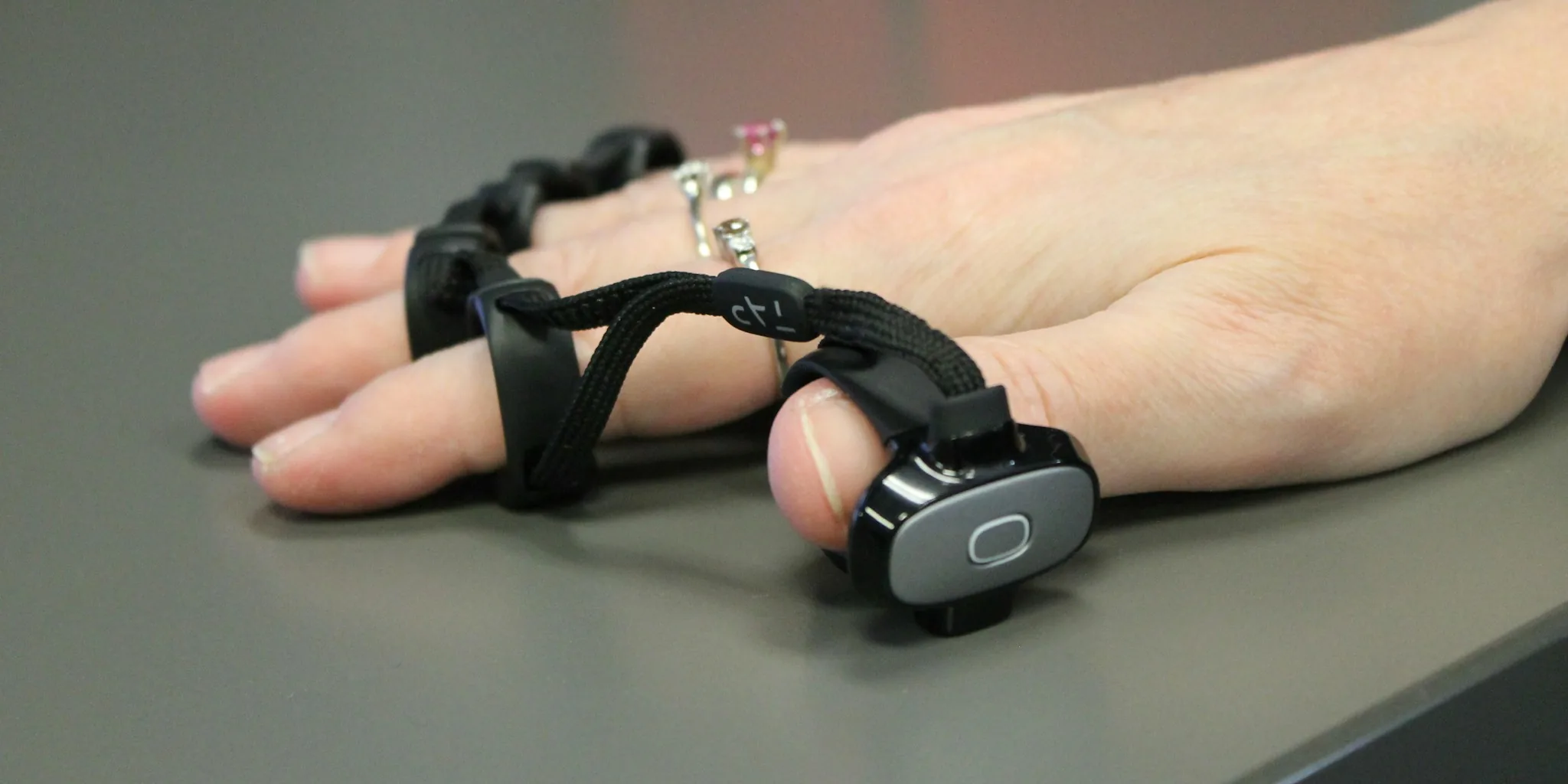
The smart ring market is experiencing rapid growth, with manufacturers projecting a significant surge in adoption throughout 2026. However, before you jump on this emerging wearable trend, it’s worth understanding both the genuine benefits and the substantial financial commitments these devices demand. This guide breaks down what smart rings offer, what they cost, and whether the investment makes sense for your lifestyle.
The True Cost of Going Small
Smart rings arrive with a deceptively high price tag. The Oura Ring 5, one of the market’s leading models, starts at $399 for standard finishes, with premium color options adding another $100 to the purchase. If you want the accompanying charging case, expect to pay an additional $134. That’s a substantial upfront investment before you even power on the device.
The financial burden doesn’t stop at the hardware. Many smart rings require a subscription to unlock their most valuable features. The Oura Ring 5, for example, charges $69.99 annually or $5.99 monthly for access to blood oxygen sensing, advanced sleep analysis, and women’s health tracking. While alternative smart rings like the Samsung Galaxy Ring and Circular Ring 2 also arrive at premium price points of $399 and $349 respectively, some budget options exist. The Amazfit Helio Ring costs just $150, though you’ll typically sacrifice features like extended battery life when prioritizing affordability.
Screen-Free Living Meets App Dependency
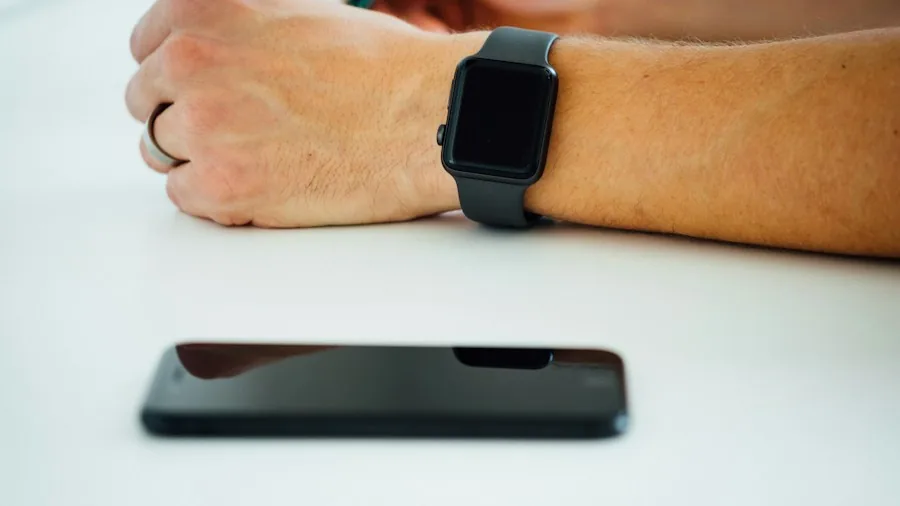
One of the smartest selling points for smart rings is their minimalist design. Without a display or constant notifications, these devices encourage users to reduce screen time and avoid the endless scroll that derails fitness progress. The discrete nature means you won’t be tempted to check social media or waste time on unproductive activities while trying to meet your health goals.
However, this advantage comes with a catch. To actually access and understand your collected health data, you’ll need to pair your ring with a smartphone app. This creates an odd paradox: you’re trying to escape your phone while simultaneously depending on it to make sense of your ring’s insights. Most smart rings worth buying including the Samsung Galaxy Ring and Circular Ring 2 require the same app-based approach, so this limitation is industry-wide rather than specific to one brand.
Accuracy and Practical Limitations
Smart rings monitor various health metrics automatically, from heart rate and sleep quality to activity levels and body temperature. For many users, this hands-free monitoring represents a genuine convenience advantage over devices that require constant interaction or adjustment.
Yet accuracy concerns persist. Because the ring sits on your finger rather than your wrist or chest, some reviewers have raised questions about heart rate reading precision compared to traditional fitness trackers and smartwatches that use band positioning for better sensor contact. Additionally, certain activities create practical friction. Weightlifting, gripping tools, or sports requiring a firm grip can make wearing a ring uncomfortable or interfere with your workout experience.
Why the Category Is Exploding

Despite these trade-offs, the smart ring market shows no signs of slowing down. Industry analysts project a 49% jump in smart ring shipments for 2026, dramatically outpacing the modest 6% growth expected for smartwatches. This surge suggests that manufacturers are solving real problems for real users, even if the devices aren’t perfect for everyone.
The appeal lies in the combination of low-maintenance monitoring, aesthetic discretion, and genuine utility for health-conscious consumers. Smart rings designed for fitness tracking continue to attract serious athletes who value convenience over flashiness. The technology is maturing, options are multiplying, and mainstream adoption is clearly on the horizon.
Making Your Decision
Whether a smart ring deserves a place in your wearable collection depends entirely on your priorities. If you’re seeking a device that silently collects health data without becoming another screen-based distraction, a smart ring delivers genuine value. The subscription costs and premium pricing will sting, but they reflect the specialized technology packed into these tiny devices.
Conversely, if you prefer comprehensive health monitoring with maximum accuracy and don’t mind a wearable screen, traditional smartwatches or fitness trackers remain excellent alternatives. Some users will find the finger-worn format uncomfortable or impractical for their daily activities and exercise routines.
Take time to consider your actual needs, budget constraints, and whether you’ll genuinely use the device’s advanced features or simply pay subscription fees for data you never examine. Smart rings represent an exciting evolution in personal health technology, but they’re not automatically the right choice for every buyer.
About the author
Isabella writes about smart rings for REMOVU, weighing sensor accuracy, comfort, and subscription costs for sleep and recovery tracking. She helps readers decide whether a ring beats a wrist wearable.