Smart Ring Breakthrough: New Sweat Sensing Technology Changes What Buyers Should Expect
UC San Diego researchers reveal a ring that reads glucose, ketones, and six other biomarkers from sweat analysis.
 By Isabella Reyes
Updated August 29, 2026
By Isabella Reyes
Updated August 29, 2026
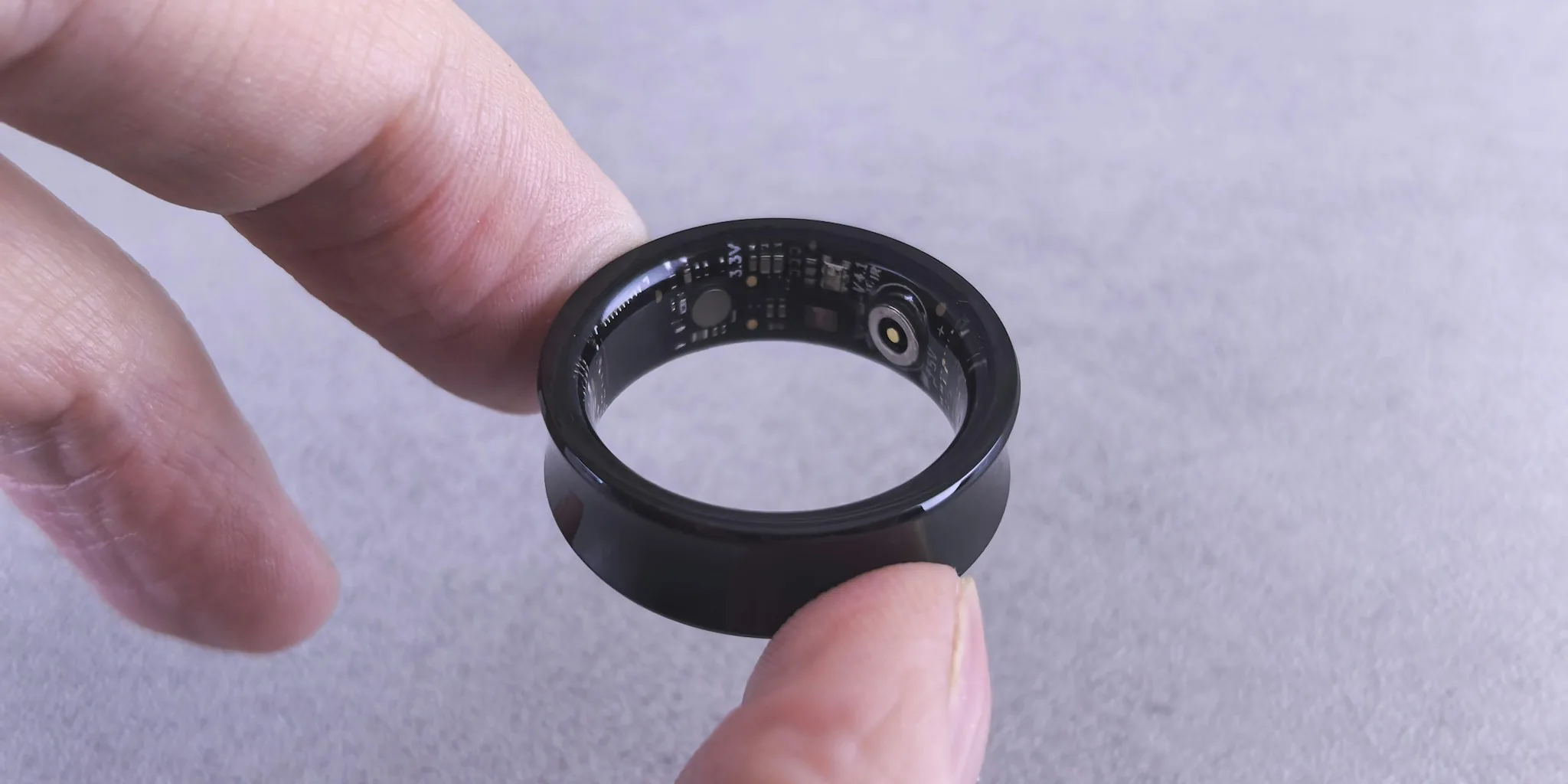
The smart ring market is about to shift dramatically. Researchers at the University of California San Diego have unveiled a significant advancement in wearable health monitoring that goes far beyond what today’s mainstream smart rings can measure. This development reveals where the category is headed and what it means for consumers shopping for health-focused wearables.
What Makes This Ring Different
Most current smart rings rely on optical sensors that measure heart rate, blood oxygen, and similar metrics by analyzing light passing through blood vessels. The new CHARM ring, short for Continuous Health Analyzing Ring Module, takes a completely different approach by analyzing sweat chemistry. It can simultaneously measure glucose, ketones, vitamin C, uric acid, lactate, and alcohol levels from a tiny sweat sample on your finger.
The significance here cannot be overstated. Sweat contains biochemical information that optical sensors simply cannot detect. While blood pressure and heart rate are useful health indicators, they don’t reveal much about your metabolic state, nutritional status, or how your body is responding to diet and exercise changes.
How It Works Without a Hospital Setup
The engineering achievement is remarkable. Instead of requiring patients to visit a lab or use a bulky patch, researchers miniaturized chemical analysis technology small enough to fit on your finger. A hydrogel component uses natural osmotic pressure to extract sweat passively, meaning you don’t need to exercise or use chemical stimulation to generate a readable sample.
The battery lasts 12 hours per charge, and the sensor assembly maintains accuracy for two months without recalibration. When compared against clinical-grade glucose monitors and blood meters, the readings fell within acceptable accuracy margins according to FDA standards. This represents a major step toward making advanced biomarker monitoring accessible outside medical facilities.
What These Measurements Actually Tell You
Understanding what the ring measures helps clarify its value. Glucose monitoring offers insights into diabetes risk and metabolic health. Ketone levels indicate whether your body is burning fat efficiently, especially useful if you follow a ketogenic diet or fast regularly. Vitamin C status reveals nutritional gaps. Uric acid readings can flag gout risk or kidney concerns. Lactate levels show how hard your muscles are working during exercise. Alcohol detection tracks intoxication and liver stress.
When you combine these biomarkers with data from other wearables like smartwatches or fitness bands, the picture becomes even more useful. A complete view of your glucose, lactate, and alcohol levels alongside your heart rate and sleep data creates a comprehensive personal health profile.
Current Limitations and Timeline
Shoppers should understand that this technology is not yet available for purchase. The ring is a proof-of-concept, not a finished product. It’s bulky compared to today’s sleek smart rings, not waterproof, and hasn’t undergone the extensive clinical validation required before regulatory approval. The research team envisions it eventually operating for multiple days on a single charge, but that capability doesn’t exist yet.
The path from laboratory breakthrough to retail shelf typically spans years. Clinical validation alone can take considerable time as researchers evaluate the technology across diverse patient populations with different health conditions. This cautious approach exists for good reason: premature commercialization of medical devices can lead to dangerous inaccuracies or unproven health claims.
What This Means for Your Shopping Decisions
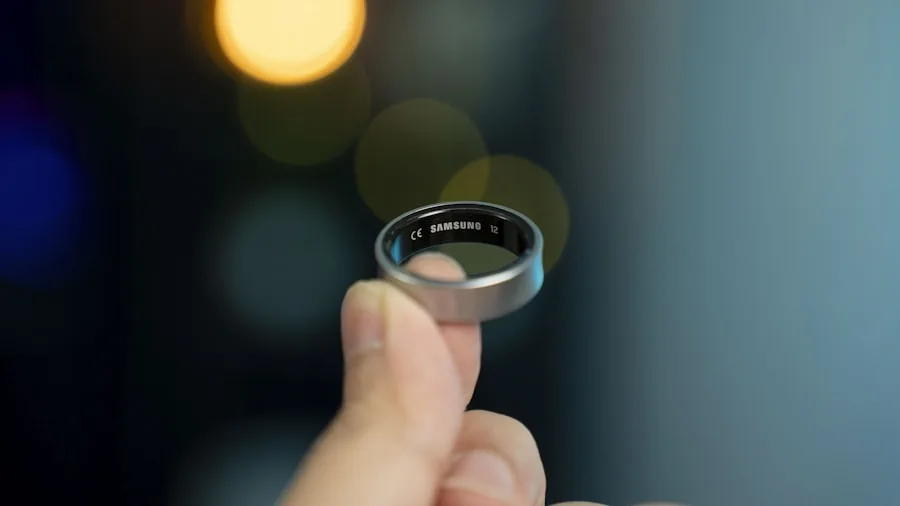
If you’re currently shopping for smart rings worth buying for every health goal, this breakthrough doesn’t change your options today. Mainstream rings from established manufacturers remain your only choice. However, it signals where the category is moving.
Within the next one to two years, you may see hybrid rings that combine optical sensors with sweat analysis capabilities. The research team has explicitly stated this is a realistic goal. Such a multimodal device would offer unprecedented health insight from a single wearable.
The emphasis on repairability and modularity in the CHARM design is also noteworthy. Current smart rings offer poor repair options and force complete replacement if sensors fail. This new research prioritizes replaceable components and upgradeable architecture, suggesting future commercial products might address this major consumer frustration.
The Bigger Picture for Wearables
This announcement marks a turning point in how wearables approach health monitoring. The biohacking community has already begun feeding data from existing smart rings into artificial intelligence systems to gain deeper personal health insights. Sweat-based analysis removes the guesswork and adds genuine biochemical data to those dashboards.
However, health data this detailed raises privacy questions. If you’re monitoring glucose, alcohol, and lactate continuously, that information becomes sensitive. Any device collecting this information requires robust security protocols and transparent privacy policies.
For shoppers evaluating smart rings for fitness and health tracking, this development reinforces that the category will evolve rapidly. What seems cutting-edge today will be outdated in two years. If you’re making a purchase decision now, consider your immediate health needs and be prepared for more advanced options to emerge soon. Smart rings for fitness worth buying right now offer excellent value, but recognize that sweat-based chemistry monitoring is coming to this category in the near future.
About the author
Isabella writes about smart rings for REMOVU, weighing sensor accuracy, comfort, and subscription costs for sleep and recovery tracking. She helps readers decide whether a ring beats a wrist wearable.