Samsung Galaxy Watch 10 Arriving Summer 2027: What Buyers Should Know
Samsung's next smartwatch arrives summer 2027 with battery and charging upgrades. Here's what to expect.
 By Kristen Jennings
Updated November 3, 2026
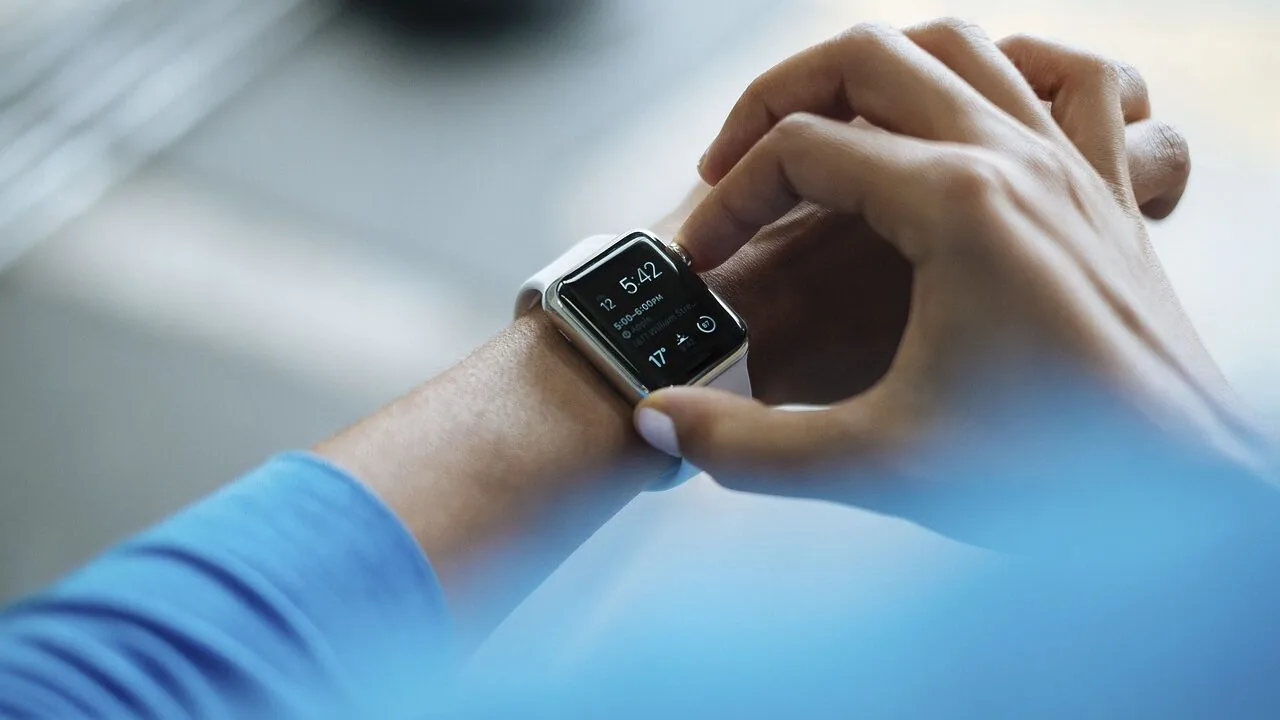
Samsung is expected to unveil its next generation smartwatch in July 2027, continuing the company’s tradition of announcing new wearables during its summer events. The Galaxy Watch 10 will arrive alongside foldable devices and mark another chapter in the ongoing evolution of Samsung’s smartwatch lineup. For shoppers considering their next smartwatch purchase, understanding what to expect can help inform whether to wait for the new model or upgrade now.
Expected Release and Pricing
The Galaxy Watch 10 is anticipated to launch in July 2027, with retail availability likely following in the subsequent weeks. This timing aligns with Samsung’s historical pattern of releasing new wearables alongside its flagship phone and foldable announcements. While official pricing remains unconfirmed, industry observers expect a modest increase from the Galaxy Watch 9. The current generation started at $379 for the 40mm Bluetooth model and $429 for the LTE variant. Based on component cost trends, the Watch 10 may arrive at approximately $399 and $459 for those respective configurations, representing a $20 increase per model. This would continue the gradual price escalation seen across Samsung’s recent wearable releases.
Battery and Charging Improvements
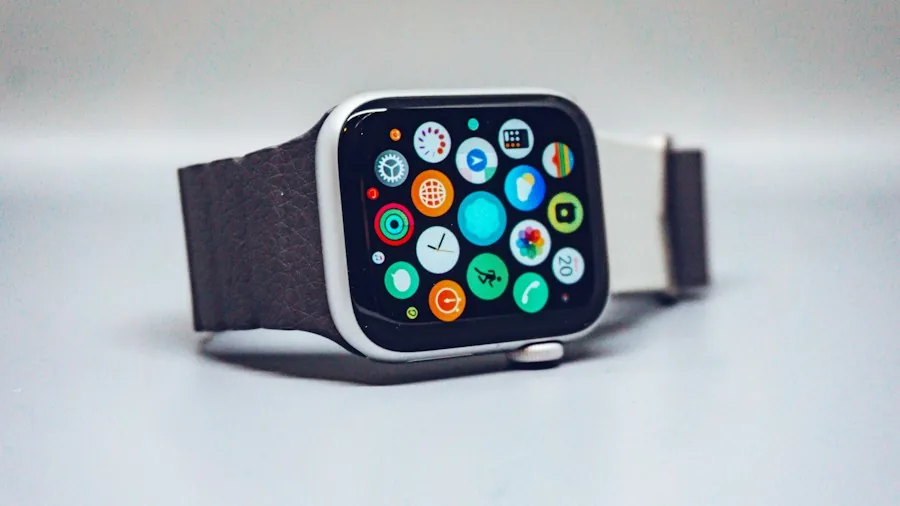
One of the most anticipated upgrades concerns battery performance. The Galaxy Watch 9 maintained the same 30-hour battery life as its predecessor, a point of frustration for many users. Battery improvements are expected with the Watch 10, though specific capacity figures have not yet emerged. Alongside enhanced battery endurance, charging speeds are overdue for an upgrade. The current generation relies on 10-watt wired charging, a specification that has remained unchanged since the Galaxy Watch 8. Faster charging would align the Galaxy Watch 10 with competitive offerings in the smartwatch market, where battery and charging performance have become key differentiators.
Design and Display Expectations
The Galaxy Watch 9 introduced minimal visual changes from the Watch 8, maintaining the same squircle design and aluminum construction. The Watch 10 is expected to follow a similar design philosophy in terms of overall shape and materials, though rumors of a potential design refresh after two generations without significant changes have circulated among enthusiasts. The device should continue in 40mm and 44mm sizes. A rotating bezel, a feature frequently requested by Galaxy Watch owners, has not appeared in official leaks, but remains a possibility if Samsung responds to community feedback. Display specifications are anticipated to match the Watch 9’s format: a 1.34-inch panel for the 40mm model and a 1.47-inch display for the 44mm variant, each with 3,000 nits of brightness.
Health and Software Features
Samsung recently rolled out updates to its health platform that will likely appear on the Watch 10 from launch. Sleep Coaching, a feature that uses collected sleep data to provide personalized recommendations, now activates after just three days of wear rather than the previous seven-day requirement. This faster activation means users gain actionable insights sooner. Running Coach has also been enhanced with two additional training levels, expanding from ten to twelve options for runners seeking structured guidance. The watch is expected to arrive with One UI 10 Watch running atop Wear OS 8, continuing Samsung’s approach to smartwatch software. The AI-powered health features introduced in the Galaxy Watch 9, including Vitals, Heart Health Score, Daily Cardio Load, Fitness Index, and hearing monitoring, are anticipated to return with the Watch 10, though specific enhancements to these capabilities remain unconfirmed.
Processing Power and Sensors
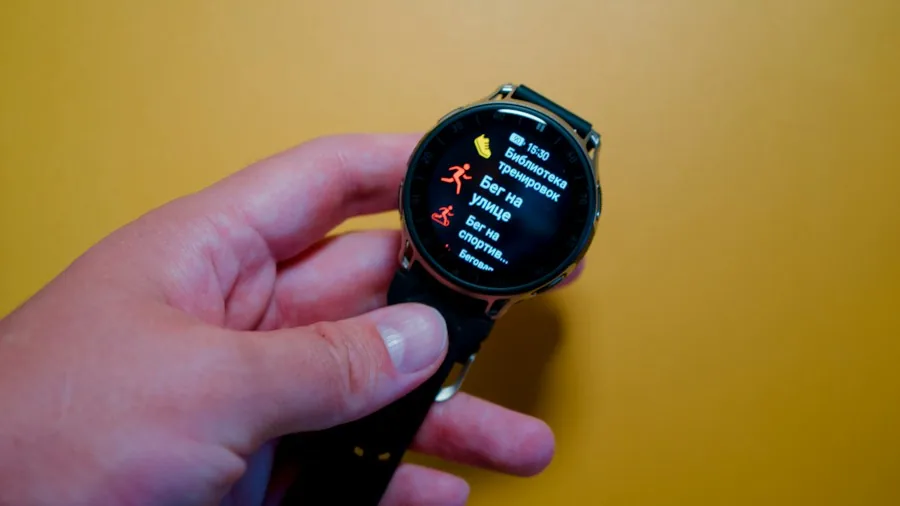
The Galaxy Watch 9 received the Snapdragon Wear Elite processor, a significant leap in processing capability built on Samsung’s efficient 3nm architecture. The Watch 10 may feature its successor, potentially the Snapdragon Wear Elite 2, though this has not been officially announced. The current generation’s BioActive sensor package handles continuous monitoring of heart rate, blood pressure, ECG, blood oxygen, skin temperature, and antioxidant index. Whether the Watch 10 introduces new biometric tracking, such as non-invasive glucose monitoring, remains uncertain. This capability has been anticipated for years but remains technically challenging to implement with the precision required for medical accuracy.
Should You Wait or Buy Now?
Whether to purchase a current smartwatch or await the Watch 10 depends on your priorities. If battery endurance frustrates you with existing Samsung models, waiting may be worthwhile since the Watch 10 represents the natural moment for Samsung to address this concern. Similarly, a potential design refresh could justify postponing your purchase. However, if health tracking is your immediate priority, the Galaxy Watch 9’s AI platform already delivers robust capabilities for Android users. Recent software updates have enhanced the current generation’s functionality without requiring new hardware. Current models are available now at established prices with trade-in incentives that reduce your effective cost. Shoppers seeking affordable options may also want to explore smartwatches at various price points to find options matching your budget and needs without waiting for future releases.
About the author
Kristen writes about smartwatches for REMOVU, comparing features, battery life, and ecosystem fit. She helps readers tie together health tracking, notifications, and apps on the right watch.