Samsung Galaxy S27 Ultra Camera Redesign Leaks: What Shoppers Need to Know
Leaked sketches show Samsung's next Ultra flagship moving to a larger camera module with built-in magnetic charging.
 By Eleanor Garcia
Updated August 23, 2026
By Eleanor Garcia
Updated August 23, 2026
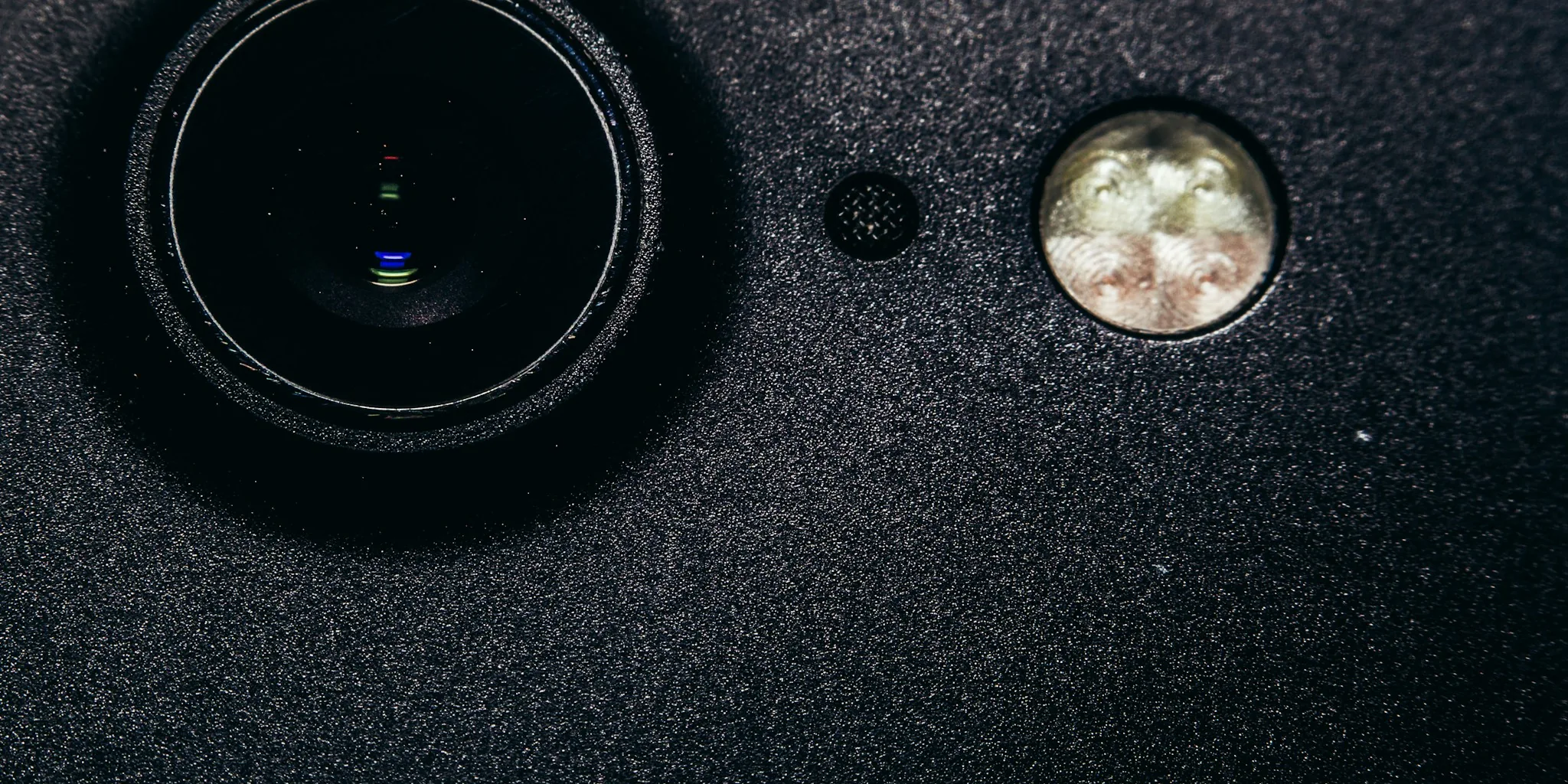
A major redesign rumored for Samsung’s upcoming Galaxy S27 Ultra flagship has surfaced online, and the shift in camera placement could mean significant changes for anyone considering a premium Android phone. According to leaked design sketches shared by a prominent industry leaker, Samsung is moving toward a different camera layout that bears some resemblance to Apple’s recent iPhone design direction, marking a departure from the company’s traditional approach to rear camera placement.
What the Leaked Design Shows
The sketch reportedly based on manufacturing specifications reveals a larger raised camera section on the back of the Galaxy S27 Ultra, moving away from Samsung’s signature separate camera rings that have defined its flagship phones for several generations. Rather than the compact visor-style strip some observers expected, Samsung appears to be consolidating its camera hardware into a more prominent module that occupies a larger footprint on the device’s rear.
This design choice marks a notable shift from Samsung’s own design heritage. The company has spent years refining individual camera rings, each housing a different lens. The move toward a unified raised section suggests Samsung may be prioritizing internal component arrangement and new features over maintaining visual consistency with previous Galaxy Ultra models.
It’s important to note that this leak shows an unofficial sketch based on shared information. The final product could still differ from what the leaker has illustrated, as Samsung has several months before the phone launches. Design refinements and last-minute changes are always possible during the product development cycle.
The Magnetic Charging Connection
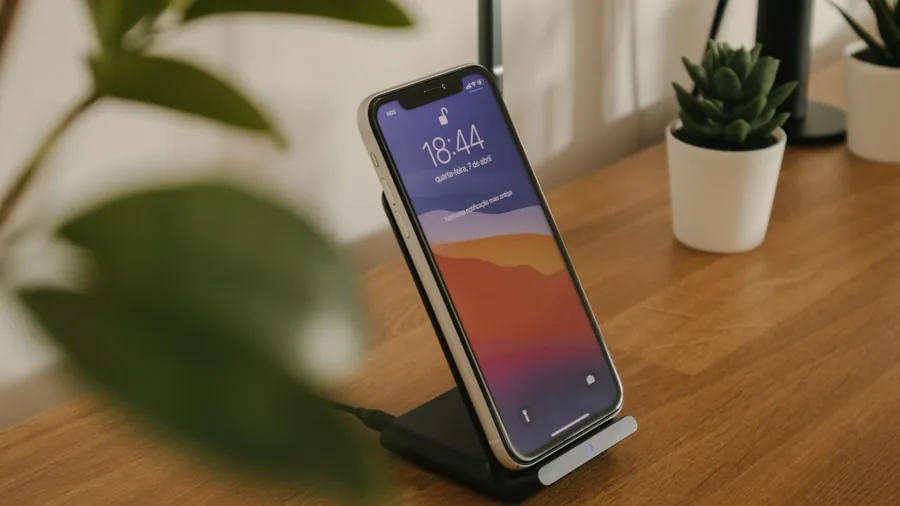
One aspect of the redesign that may appeal to shoppers involves wireless charging improvements. The leaked sketch indicates a circular magnetic ring positioned beneath the camera section, which aligns with previous reports that Samsung could finally integrate built-in Qi2 magnets into the Galaxy S27 Ultra.
The connection between camera placement and magnetic charging capability matters because Samsung’s current camera arrangement reportedly makes fitting the necessary magnetic hardware more difficult. By repositioning the camera module, Samsung could create the space needed for this upgrade without requiring additional thickness or weight.
Currently, the Galaxy S26 Ultra supports Qi2 wireless charging, but owners need a compatible magnetic case to attach MagSafe-style chargers, wallets, stands, and battery packs. Built-in magnets would eliminate this requirement, allowing users to attach accessories directly to the phone without an intermediary case. For shoppers who value convenience and accessory flexibility, this could represent a meaningful quality-of-life improvement.
What This Means for Shoppers Looking at Premium Android Phones
If the leaked design proves accurate, the Galaxy S27 Ultra will look noticeably different from its predecessors when it launches. This redesign comes at a time when the smartphone market features increasingly similar flagship designs, with many manufacturers converging on comparable camera module styles and overall form factors.
For buyers comparing premium Android phones and iPhones, the camera redesign signals that Samsung is willing to rethink its visual identity to incorporate new technology. The trade-off appears to be a more prominent rear camera section in exchange for integrated magnetic charging capabilities and potentially improved internal layout.
This timing is particularly relevant given that flagship phone prices have stabilized across the industry. The Galaxy S27 Ultra will likely launch at a premium price point competitive with Apple’s iPhone 17 Pro, making design and feature differentiation crucial factors for shoppers deciding between competing flagship devices.
Accessory Implications for Future Purchases

The inclusion of built-in magnets also affects the broader ecosystem of accessories. If Samsung implements Qi2 magnets as the leaked information suggests, shoppers could potentially use Apple-compatible MagSafe accessories with the Galaxy S27 Ultra, assuming Samsung follows the Qi2 standard. This cross-platform compatibility could reduce the need to purchase brand-specific accessories and provide greater flexibility when choosing phone cases, car mounts, and charging solutions.
Current owners of Samsung flagships who rely on compatible wireless accessories would benefit from this standardization, as it could simplify future upgrades and reduce costs associated with replacing an entire accessory collection.
When to Expect Official Confirmation
Samsung has not yet officially confirmed the Galaxy S27 Ultra’s design or specifications. The company typically holds dedicated product launch events to introduce new flagship devices and reveal their final design in detail. Shoppers interested in this phone should expect official confirmation and imagery in the coming months, which will clarify whether the leaked sketch accurately represents the finished product.
Until that official announcement, the leaked design should be viewed as a strong indication of Samsung’s direction rather than a guarantee of the final result. Manufacturers frequently refine designs during late-stage development based on manufacturing constraints, market feedback, and other factors.
About the author
Eleanor covers smartphones for REMOVU, balancing cameras, battery life, and software support against price. She helps readers find the best value as the field shifts with every release.