Robot Vacuum Maker Matic Gets Federal Exemption from Foreign-Made Bot Ban
First robot vacuum maker wins FCC exemption from new foreign-made bot ban, securing unrestricted US market access.
 By Beverly Morrison
Updated October 5, 2026
By Beverly Morrison
Updated October 5, 2026
What Happened
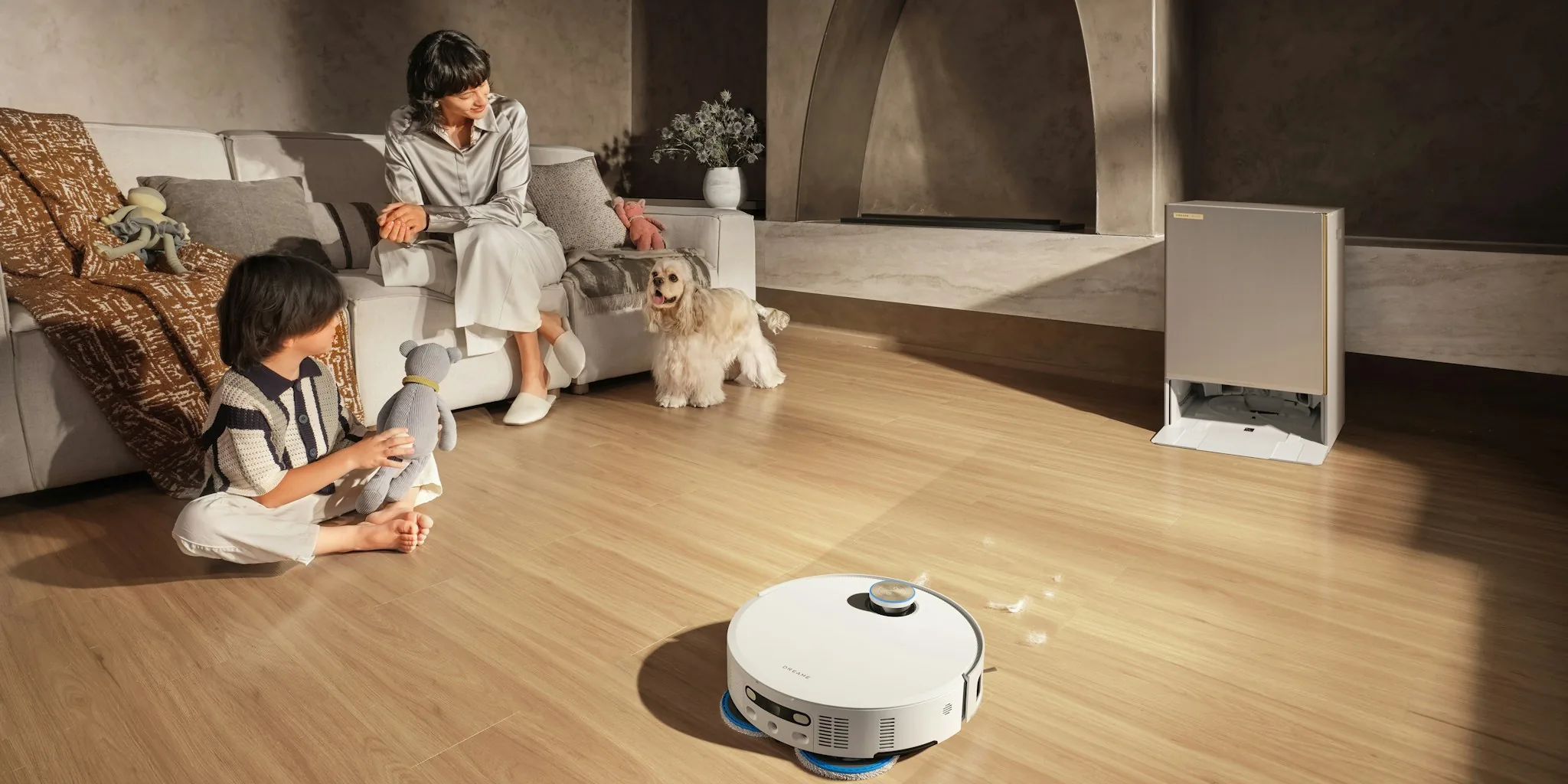
Matic, a Silicon Valley robotics company, has become the first robot vacuum manufacturer to receive a conditional approval exemption from the US government’s ban on foreign-made advanced robots. On Friday, the Federal Communications Commission granted Matic permission to continue selling its Robotic Floor Cleaner Model 4MA0001 and Charging Dock Model 4DK0008 in the United States without restriction.
The FCC announced its sweeping ban on foreign-made robot vacuums, robot lawnmowers, and certain pool-cleaning robots in late July. The White House cited national security concerns, warning that foreign-made robots could potentially be compromised for spying, tampering, or sabotage purposes. However, the ban technically applies only to new, unreleased models going forward, not to products already cleared by regulators.
Matic’s conditional approval carries no expiration date, matching the indefinite exemption granted to Swedish robot mower manufacturer Husqvarna just one month earlier. A company spokesperson confirmed that the exemption covers Matic’s current product lineup, meaning the company can proceed with future generations without regulatory delays stemming from this new rule.
Why Matic Qualified for Exemption
Matic’s approval is noteworthy because the company could have fallen directly under the ban’s restrictions. Although the robot is assembled in California by Matic’s team, the device incorporates components sourced globally. According to FCC guidelines, any robot with foreign components accounting for more than 35% of the product’s total cost is classified as foreign-made and therefore subject to the ban. Matic’s exemption suggests the company either met stricter domestic content standards or convinced federal regulators that its domestic assembly process and supply chain oversight justified an exception.
The company’s product page emphasizes that while materials come from around the world, each Matic robot receives assembly and quality control in California. This manufacturing model appears to have strengthened Matic’s case for exemption approval.
What This Means for Shoppers
For consumers interested in robot vacuums, Matic’s exemption offers certainty about product availability and future development. The company’s $1,495 vac-mop combo model is already available for purchase in the US market, and shoppers can now buy with confidence that Matic won’t face sudden restrictions or regulatory roadblocks affecting current or upcoming models.
However, the broader regulatory landscape remains uncertain for most major brands. Since most robot vacuums are manufactured in Asia, industry experts expect the ban to affect virtually all leading manufacturers when new models launch. So far, no major Chinese-brand robot vacuum makers have secured exemptions, suggesting limited competition from those suppliers in the near term.
Shoppers considering robot vacuum and mop combinations should understand that product choices may narrow as manufacturers navigate compliance requirements. Some brands may delay new product launches pending regulatory approval, while others might accelerate shipments of existing models before stricter rules take full effect. Retailers may also see increased prices if manufacturers face higher costs to achieve greater domestic content or assembly.
The Bigger Picture on Domestic Manufacturing
The FCC ban reflects broader US government strategy to bolster domestic robotics manufacturing and reduce reliance on foreign suppliers, particularly those from China. By restricting imports of foreign-made robots, policymakers aim to create market incentives for companies to establish or expand US-based production facilities.
Matic’s exemption demonstrates that domestic assembly, transparent supply chains, and domestic content thresholds can open regulatory pathways. Other manufacturers may pursue similar strategies, potentially leading to new US manufacturing investments in the robotics sector.
The precedent extends beyond robot vacuums. The US government has implemented comparable restrictions on foreign-made drones and Wi-Fi routers, suggesting a coordinated industrial policy approach across multiple categories of advanced technology. Shoppers may see similar supply constraints and pricing adjustments across these product categories as manufacturers adapt to new regulatory requirements.
Looking Forward
As regulations stabilize, the market for robot vacuums for larger spaces may shift significantly. Companies with early exemptions like Matic gain competitive advantages through uninterrupted product development and market access. Brands without exemptions must either increase domestic content, move manufacturing operations, or potentially exit the US market temporarily while seeking approval.
Consumer choice will ultimately depend on how many manufacturers successfully navigate the exemption process. The coming months will reveal whether other robot vacuum makers can replicate Matic’s approval or whether the ban will substantially limit available options. Shoppers planning purchases should stay informed about specific models’ regulatory status and consider buying available options sooner rather than later if they’re concerned about future product availability.
About the author
Beverly covers robot vacuums and mops for REMOVU, weighing cleaning power, smart mapping, and low-fuss maintenance. She helps readers find a model that earns its keep.