PlayStation and Xbox Shift to Digital Games: What Shoppers Need to Know About the Physical Media Decline
Console makers phase out game discs as industry shifts to digital. Here's how it affects your collection and purchase options.
 By Serenity Richards
Updated August 27, 2026
By Serenity Richards
Updated August 27, 2026
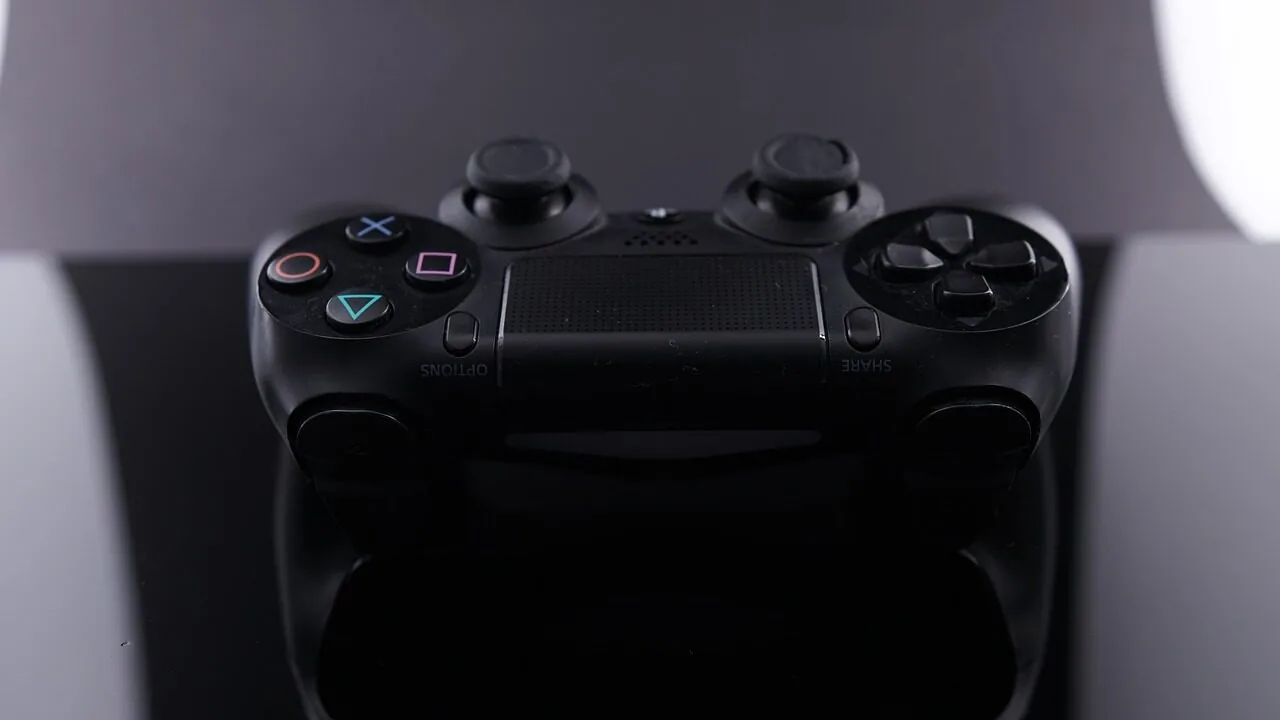
The video game industry is undergoing a major shift away from physical media, and PlayStation and Xbox are leading the charge. Recent announcements from both companies signal the end of an era where players could walk into a store and purchase games on disc. Understanding what this means for your gaming library and purchasing decisions is essential as the landscape changes.
The Transition Away from Physical Games
PlayStation recently made headlines by confirming it would discontinue releasing new games on physical discs starting in 2028. Simultaneously, the company moved to remove digital content from player libraries under certain circumstances, raising concerns about ownership and access. Xbox, meanwhile, has announced its disc-to-digital program, allowing owners of physical games to convert them to digital entitlements. These moves reflect a broader industry trend toward cloud-based and purely digital distribution models.
For consumers accustomed to owning tangible copies of their games, this transition represents a fundamental change in how they access and control their entertainment. The shift isn’t sudden, but the accelerating timeline makes it urgent for shoppers to understand the implications for their collections and future purchases.
What This Means for Your Game Library

Moving to all-digital libraries means you no longer own games in the traditional sense. Instead, you purchase licenses that the platform holder can revoke or modify at any time. Unlike physical discs that remain playable as long as the hardware functions, digital purchases depend entirely on the company maintaining its servers and your continued access rights.
This reality has prompted some PC gamers to take matters into their own hands. With DRM-free games available through platforms like GOG, tech-savvy players are creating their own physical installer discs using Blu-ray drives, creating a permanent backup of their digital purchases. While this approach requires specific hardware and technical knowledge, it highlights growing concerns about long-term game preservation and ownership rights in an increasingly digital marketplace.
Shoppers should consider how this shift affects their purchasing habits. If you prefer physical media for collection purposes or worry about access to games in the future, now may be the time to purchase physical copies before they disappear entirely. Conversely, if you’re comfortable with digital-only libraries and the convenience they offer, the transition may not impact your experience significantly.
Game Preservation and Data Ownership
The move toward digital-only distribution raises important questions about game preservation and long-term access to content. When companies discontinue online services or remove games from digital storefronts, that content can vanish permanently. Physical media, by contrast, survives indefinitely if properly maintained. This is particularly relevant for vintage game consoles and classic titles that may no longer be available for purchase anywhere.
Some preservation-minded consumers are exploring alternatives to protect their digital investments. Blu-ray discs designed for archival purposes, such as M-Discs, can preserve data for centuries under proper storage conditions. While creating personal backups of digital games raises copyright considerations, the broader principle of data preservation resonates with players concerned about access to games their children might want to enjoy in the future.
Backward compatibility programs, like those Xbox has implemented, provide some assurance that older games will remain playable on newer hardware. However, this depends on the company’s continued commitment and the availability of servers necessary for digital verification.
What Shoppers Should Do Now
As the industry transitions to digital, buyers should evaluate their personal preferences and priorities. Those who value ownership and permanence should prioritize purchasing physical copies of games they want to keep long-term. Physical media offers tangible reassurance that your purchase remains accessible regardless of future corporate decisions or service interruptions.
For others, understanding the terms of digital purchases becomes increasingly important. Read the fine print on digital store pages and know that you’re acquiring a license, not permanent ownership. Take advantage of cloud storage and backup options offered by your platform, and consider creating offline installers for games available in DRM-free formats.
Additionally, shoppers should stay informed about official preservation efforts and backward compatibility initiatives from console manufacturers. Companies like Xbox have demonstrated commitment to keeping older games playable on current hardware, which provides some protection against future access issues. Having proper backup processes in place, whether through official cloud services or personal archival methods, ensures you maintain access to your gaming collection.
The shift toward digital-only gaming is happening faster than many expected, and the implications for shoppers are significant. Whether you embrace the convenience of digital distribution or cling to the permanence of physical media, understanding the changes and planning accordingly will help you make informed decisions about your gaming investments for years to come.
About the author
Serenity covers home game consoles for REMOVU, weighing performance, exclusive libraries, and the ecosystem each platform locks you into. She helps players pick the console that fits how and what they play.