Pixel Watch 5 Emergency Breathing Detection Feature: What Shoppers Need to Know
Google's new breathing detection can automatically call for help if it senses a respiratory crisis.
 By Kristen Jennings
Updated August 14, 2026
By Kristen Jennings
Updated August 14, 2026
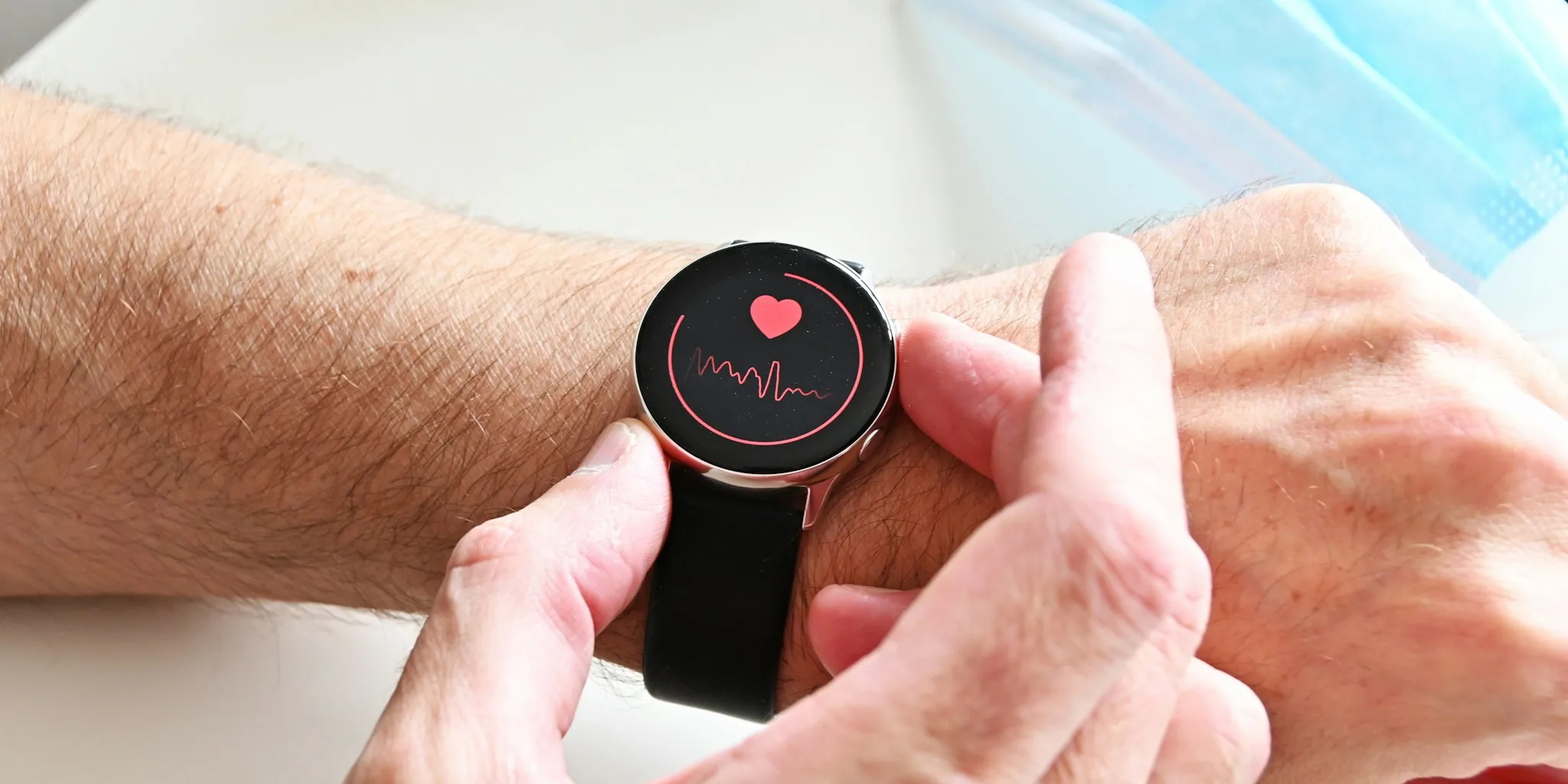
Google Introduces Life-Saving Health Feature on Pixel Watch 5
Google has announced a significant new capability for the Pixel Watch 5 that goes beyond routine fitness tracking. The company’s latest innovation, breathing emergency detection, uses artificial intelligence to monitor sensor data and automatically contact emergency services if it identifies signs of a breathing crisis. This marks an important step forward in how consumer wearables can respond to life-threatening situations.
The feature works by analyzing data from multiple sensors built into the watch, including optical sensors that measure blood oxygen levels, motion detectors that track movement patterns, and altitude sensors that account for environmental factors. When the watch detects a combination of warning signs, such as a severe and prolonged drop in oxygen saturation along with minimal body movement, it alerts the wearer. If the person does not cancel the alert within 30 seconds, the watch will automatically contact emergency services and notify designated emergency contacts.
How the Technology Works to Prevent False Alarms
Google’s engineering team designed this feature to minimize false positives, which was a critical consideration in development. According to the company’s health product managers, the system uses on-device machine learning models to interpret sensor signals intelligently rather than relying on a single data point. The optical sensor uses green, red, and infrared light to detect significant drops in blood oxygen, while the accelerometer monitors for prolonged periods of stillness. The barometer helps filter out natural oxygen variations caused by high altitude or other environmental factors.
To further reduce errors, the system verifies that the wearer has not been asleep for more than 30 minutes during the detected incident. This safeguard prevents the feature from triggering due to conditions like sleep apnea, which can naturally lower oxygen levels during rest. Medical experts have praised this multi-sensor approach as a smart way to distinguish genuine emergencies from routine fluctuations.
The feature is designed to help people experiencing severe pneumonia, accidental drug overdose, or choking, situations where someone might be unable to seek help independently. Modern smartwatches like the Pixel Watch 5 are increasingly incorporating emergency response capabilities, though this breathing detection represents one of the most advanced implementations to date.
Medical Community Perspectives on Health Alerts
Experts in cardiology and wearable technology acknowledge both the potential benefits and concerns surrounding this feature. While the ability to automatically summon help during a life-threatening event could save lives, researchers note that alerting someone to a potential emergency they cannot independently verify can create psychological stress. False alarms, even when ultimately determined to be non-emergencies, may lead to increased health anxiety and unnecessary trips to hospitals.
However, when the feature works as intended, it addresses a genuine gap in emergency response for situations where the person in distress cannot call for help themselves. Users who prefer not to use this capability can disable it in their watch settings, ensuring this remains an optional safety tool rather than a mandatory feature.
Availability and FDA Status in the United States
Currently, the breathing emergency detection feature is only available in certain European countries. Google has not announced a timeline for United States approval. The feature requires evaluation and clearance from the Food and Drug Administration before it can be officially launched in the American market. This regulatory step is standard for health-related functionality in wearable devices and ensures the technology meets safety and accuracy requirements.
In contrast, Google’s loss of pulse detection feature, which monitors heart rate and can identify cardiac emergencies, has already received FDA clearance and is currently available to Pixel Watch owners in the United States. Both features can potentially detect the same types of emergencies, such as accidental overdose, and may work in conjunction to provide comprehensive emergency monitoring.
What This Means for Shoppers
The breathing emergency detection feature represents a meaningful advancement in how consumer technology can respond to health crises. For potential Pixel Watch 5 buyers, this feature adds an extra layer of safety, particularly for those with health conditions that could impact breathing or oxygen levels. The watch’s ability to automatically contact emergency services without requiring user action could be life-saving in situations where a person is unable to help themselves.
The Pixel Watch 5 is currently available for pre-order, and the breathing emergency detection will come to both the Pixel Watch 5 and the earlier Pixel Watch 4 once the feature launches in additional regions. While American shoppers will need to wait for FDA clearance and regulatory approval, the international rollout demonstrates Google’s commitment to bringing advanced health monitoring capabilities to its wearable platform.
As with any health-related feature on a wearable device, consumers should consider this technology as an additional safety tool rather than a replacement for medical advice or professional healthcare. For those interested in comprehensive health monitoring, the Pixel Watch 5 joins a growing category of wearable devices with advanced sensor technology designed to support user wellbeing.
About the author
Kristen writes about smartwatches for REMOVU, comparing features, battery life, and ecosystem fit. She helps readers tie together health tracking, notifications, and apps on the right watch.