Pixel Phone Production Shift Could Mean Lower Prices for US Shoppers
Manufacturing shift to India and Vietnam could lead to cheaper Pixel phones for US buyers by 2027.
 By Eleanor Garcia
Updated August 19, 2026
By Eleanor Garcia
Updated August 19, 2026
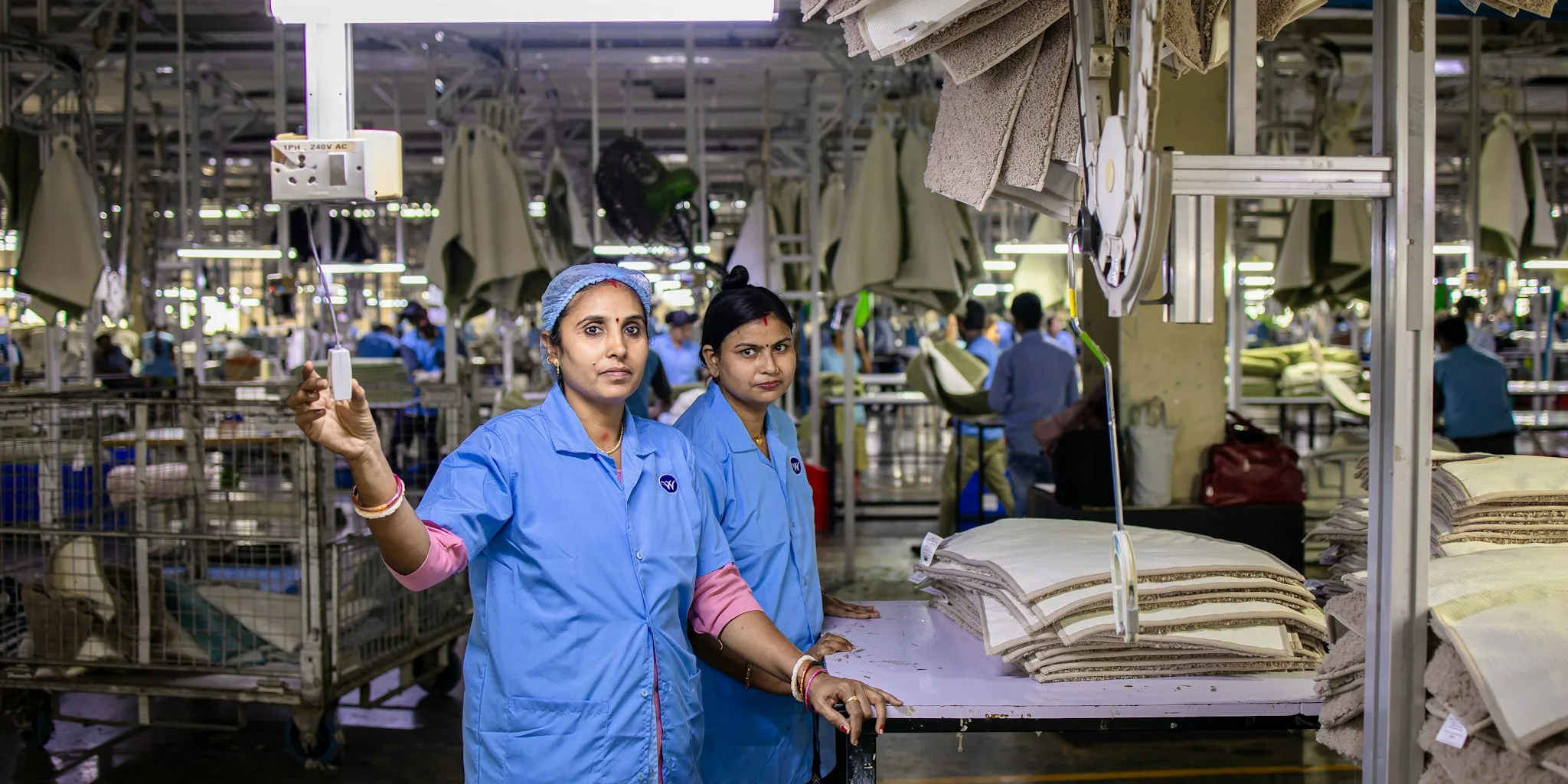
Google has announced a significant change in how it manufactures its Pixel smartphones, and the implications for US consumers could be substantial. The tech giant is completely exiting China and relocating all Pixel device production to Vietnam and India starting in 2027. This strategic move, driven by geopolitical tensions and supply chain optimization, may ultimately result in more affordable Pixel phones for American buyers.
Why Google is Leaving China
Google’s decision to abandon Chinese manufacturing represents a cleaner break from the country than other major tech firms will face. Unlike Apple, which relies heavily on China and risks significant market share losses, Google has minimal business interests there. The company does not officially sell Pixel devices in China, and Google’s services have been restricted in the country since the early 2000s. This means Google can make the transition without losing substantial revenue or an established customer base.
The move reflects ongoing US-China tensions and represents Google’s commitment to reshoring and diversifying its supply chain away from a single geographic dependency.
Cost Savings Potential for Shoppers
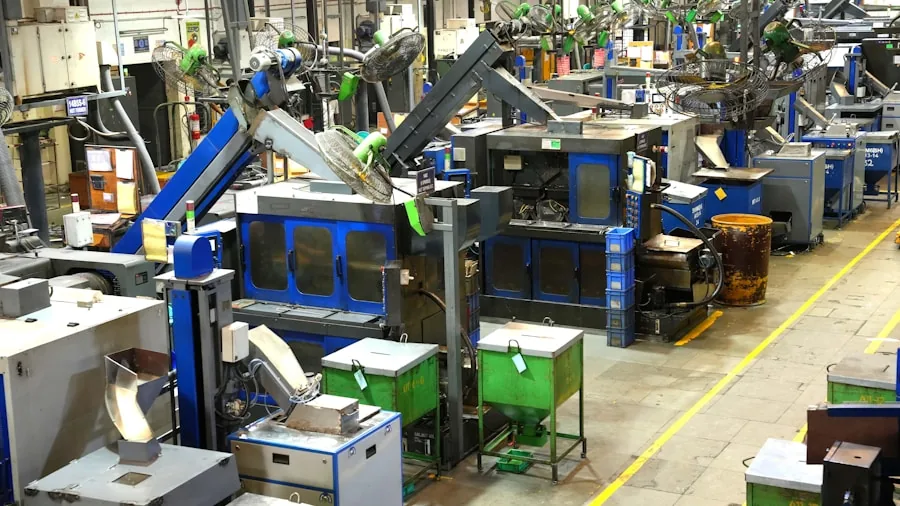
The financial mechanics behind this shift are straightforward: India and Vietnam operate under significantly lower tariff structures compared to China. When Google shifts production to these countries, the reduced import duties could translate into savings that benefit US-bound inventory.
However, analysts caution that consumers should not expect dramatic price drops. More likely, the tariff savings will help Google offset other rising costs, such as semiconductor shortages, rather than reduce retail prices. Pixel phones may maintain their current pricing while gaining improved supply stability.
Additionally, Google has signaled plans to increase Pixel production by 8 to 10 percent in 2026, moving from last year’s 12 million units shipped. Higher production volumes could also support pricing stability or modest reductions across the lineup.
Production Quality Considerations
Relocating manufacturing does carry execution risks. Setting up production facilities from scratch in a new country requires building infrastructure, establishing quality control processes, and training workforces. Initial delays or inconsistencies are possible when operations move from an established Chinese facility to a greenfield site.
Google has established quality assurance protocols that should catch defective units before they reach consumers, minimizing the likelihood of problems in retail batches. The company can also leverage existing relationships with other tech manufacturers operating in Vietnam, such as Samsung, to streamline setup and share expertise.
Why India and Vietnam Matter
India and Vietnam represent attractive manufacturing hubs for tech companies. Both countries have benefited from Apple’s recent pivot to diversify iPhone production away from China. This infrastructure already exists, reducing the complexity of Google’s transition. Vietnam, in particular, offers the advantage of established supply chains and manufacturing expertise that could accelerate the deployment of Pixel production lines.
India brings additional benefits through favorable trade agreements with the United States and a growing ecosystem of electronics manufacturers. For budget-conscious shoppers, this geographic diversification can support competitive pricing.
What This Means for Your Next Purchase

If you’re considering buying a Pixel phone in the coming years, the manufacturing transition could work in your favor. While prices are unlikely to drop dramatically, the combination of tariff advantages, increased production capacity, and streamlined supply chains may help Google hold prices steady even as component costs fluctuate.
The 2026-2027 timeline suggests that current Pixel models will remain Chinese-manufactured, while the Pixel 12 and 13 will likely emerge from Indian and Vietnamese factories. This staggered approach gives Google time to perfect its processes before full-scale transition.
Consumers should monitor announcements about pricing for upcoming models. The shift away from China, combined with Google’s commitment to shipping more devices globally, positions the company to offer competitive value in the smartphone market.
The Bigger Picture
This move extends beyond consumer pricing. Google manufactures all Pixel devices, including tablets and wearables, in China today. The complete exit signals a strategic realignment toward supply chain resilience. For Google, Pixel phones serve as gateways to its software ecosystem, including Gemini and Google One services. Expanding production volume supports user acquisition across these platforms.
The combination of geopolitical diversification, tariff optimization, and production growth creates a favorable environment for US shoppers. Whether you’re looking for flagship performance or extended battery life, upcoming Pixel generations manufactured outside China may offer better value without compromising quality or availability.
About the author
Eleanor covers smartphones for REMOVU, balancing cameras, battery life, and software support against price. She helps readers find the best value as the field shifts with every release.