Older Mirrorless Camera Defies Expectations by Ranking in Japan’s Top 10 Sales, Here’s Why
A seven-year-old Nikon camera cracks Japan's top 10 sales list, revealing surprising truths about what buyers actually want.
 By Lawrence Hale
Updated October 9, 2026
By Lawrence Hale
Updated October 9, 2026
A Surprising Chart Entry Reveals What Shoppers Really Want
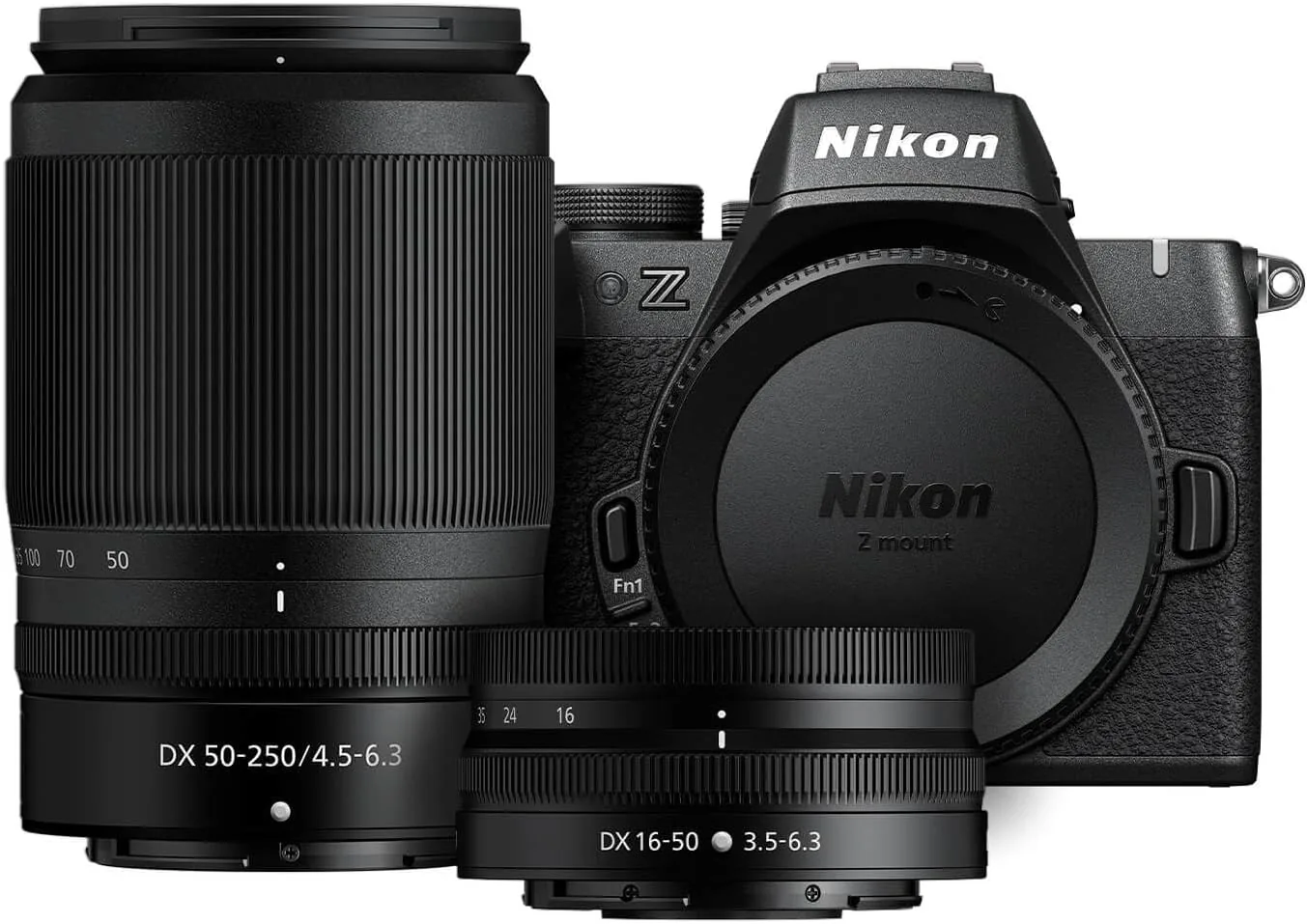
Japan’s camera market just offered a fascinating lesson in buyer behavior. Data from the first half of 2026 shows that the Nikon Z50, a seven-year-old APS-C mirrorless camera, still ranks in the top 10 best-selling models, sliding into the number 10 spot despite being succeeded by the newer Nikon Z50II, which ranks significantly higher at number 6. The appearance of this older model raises an important question: what drives purchasing decisions when better options exist?
The answer reveals that contemporary shoppers don’t always chase the latest specifications or newest release dates. Instead, many prioritize value, availability, and suitability to their actual photography needs. The fact that the original Z50 remains easy to find with attractive pricing, even though production has ended, demonstrates that real-world buying patterns differ significantly from what industry watchers might expect.
Why an Older Model Still Matters to Buyers

On paper, the Nikon Z50 has real limitations. Its autofocus system represents last-generation technology, maximum burst speed tops out at 11 frames per second, and video capabilities max out at 4K resolution at 30 frames per second. These specs seem dated compared to current mirrorless and DSLR cameras entering the market.
However, these specifications tell only part of the story. Many photographers never push their equipment to these limits. Someone photographing family gatherings, holiday trips, and daily moments doesn’t require cutting-edge burst shooting or advanced autofocus. The Z50 delivers everything needed for these common scenarios, making its continued sales presence entirely logical.
Notably, Nikon itself acknowledges this market segment by keeping the Zfc, a retro-styled mirrorless camera with nearly identical specifications to the original Z50, in its current product lineup. This decision suggests Nikon recognizes sustained demand for approachable, simpler mirrorless cameras that don’t overwhelm users with advanced capabilities.
The Broader Lesson for Camera Shoppers

The Z50’s ongoing popularity underscores a critical advantage all Nikon mirrorless cameras share: access to the extensive Z-mount lens ecosystem. Regardless of whether you select an entry-level model or a professional-grade camera, you gain compatibility with Nikon’s diverse and respected lens collection. Additionally, Nikon’s image processing consistently delivers excellent color science and reliability across its entire mirrorless range.
For someone seeking an everyday carry camera that won’t demand technical expertise, the older Z50 remains a competent choice. Its continued availability at reduced prices means buyers can acquire a capable mirrorless system without substantial financial commitment. This value proposition attracts consumers who prioritize practical functionality over specification bragging rights.
The data also hints at a market opportunity. The sustained interest in older, simpler mirrorless cameras suggests Nikon should develop a true entry-level model designed specifically for casual photographers. Such a camera would occupy a distinct position rather than simply offering older technology at a discount. Mirrorless cameras worth buying for under $1000 represent a significant market segment, yet purpose-built options for this audience remain limited.
What This Means for Your Purchasing Decision
If you’re shopping for a mirrorless camera, this ranking offers valuable perspective. Don’t automatically assume the newest model serves your needs best. Evaluate what you actually plan to photograph and video. For travel photography, family documentation, and creative hobby work, an older mirrorless camera like the Z50 performs admirably while freeing up budget for quality lenses.
The Japanese sales data demonstrates that smart shoppers frequently choose slightly older models when they deliver appropriate performance at significantly lower prices. This approach leaves more resources for lens investment, which often matters more than camera body specifications for long-term satisfaction.
Market watchers focused exclusively on flagship releases and cutting-edge specifications sometimes overlook this pragmatic buyer segment. The Z50’s presence in the top 10 affirms that practical value, proven reliability, and reasonable pricing continue to influence real purchasing behavior. Whether you’re contemplating the best mirrorless cameras for wildlife photography or a simple family camera, understanding what different user segments truly need helps guide better decisions than chasing every new announcement.
About the author
Lawrence covers mirrorless and DSLR cameras for REMOVU, weighing image quality, autofocus, and lens ecosystems. He helps photographers choose a body they can grow with.