Nothing Headphone Pro Case Doubles Down on AirPods Max Design Mistakes What Shoppers Should Know
The $399 Nothing Headphone Pro mimics Apple's most mocked case design but adds frustrating new flaws.
 By Nevaeh Ross
Updated September 30, 2026
By Nevaeh Ross
Updated September 30, 2026
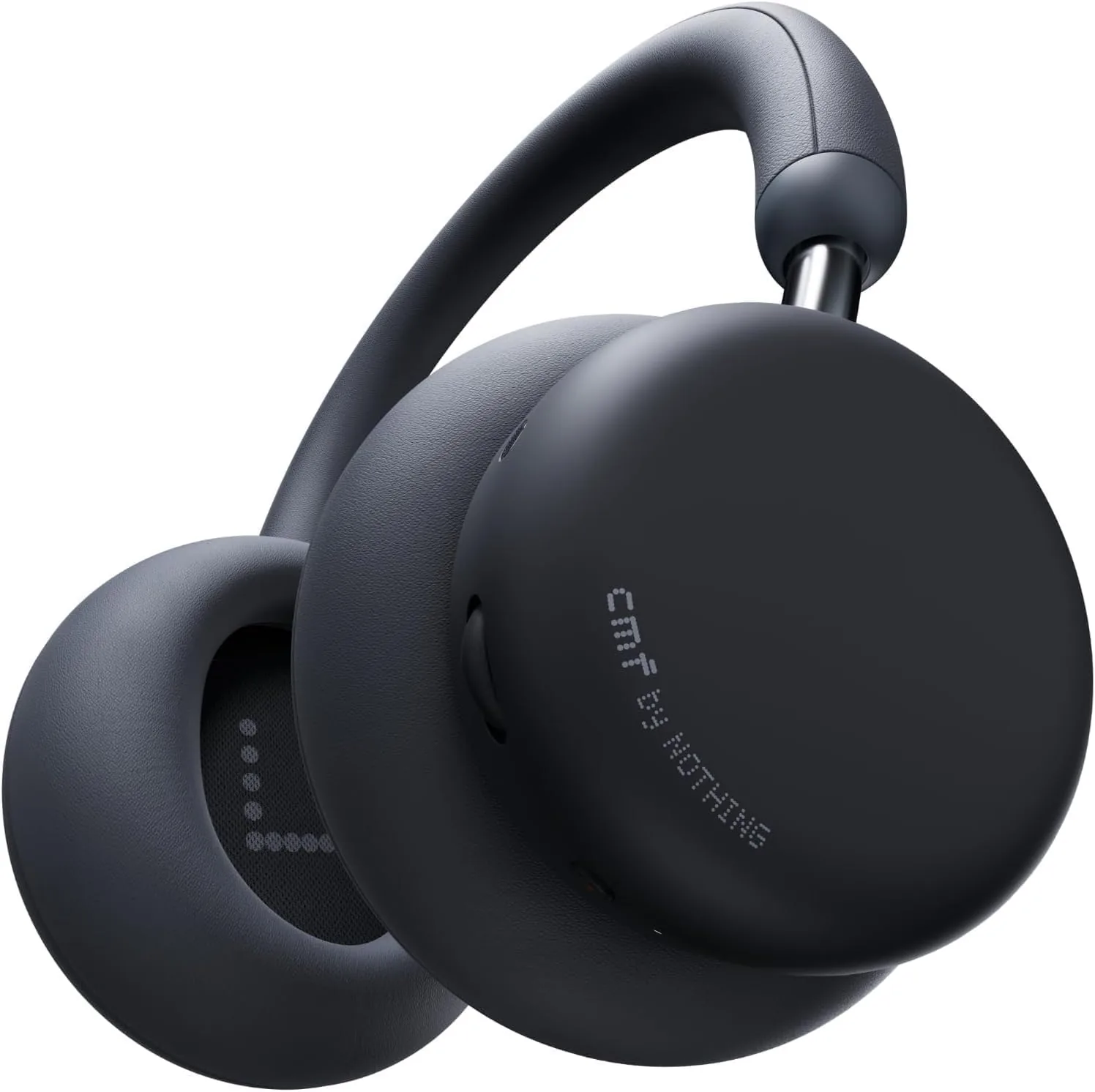
When Nothing Electronics unveiled its new Headphone Pro model at $399, reviewers and consumers initially praised the device for its premium build quality, titanium and glass construction, and solid audio performance. However, one critical design choice has drawn widespread criticism: the case. Instead of learning from widespread complaints about the AirPods Max case, Nothing appears to have copied that same flawed design and made the problems even worse.
A Case Design That Misses the Mark
The AirPods Max case has long been a point of ridicule among audio enthusiasts. Apple’s so-called Smart Case only covers the ear cups while leaving the headband exposed, earning it unflattering comparisons to unconventional apparel. Apple included this design because the AirPods Max lack a power button, so the case uses magnets to place the headphones into a low-power mode rather than fully powering them off. The case is soft enough to compress into a bag, and it features an opening for charging without removing the headphones.
The Nothing Headphone Pro case follows a nearly identical structure: hard plastic ear cup covers with an exposed headband serving as a handle. However, Nothing’s approach inherits all of Apple’s weaknesses while solving none of them. The hard-shell design does provide better ear cup protection, which matters on a $399 product with glass backs. Yet this single improvement comes at the cost of creating new problems that Apple’s case simply doesn’t have.
Charging and Cable Storage Issues
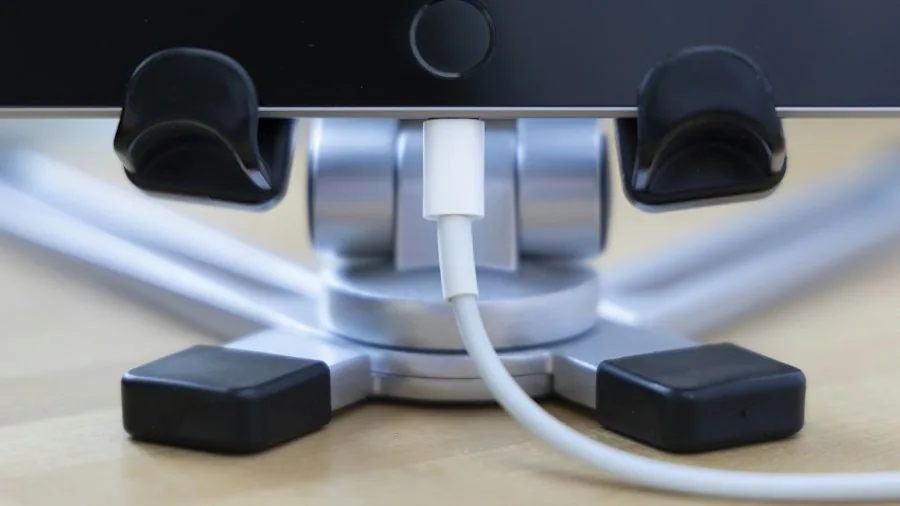
A fundamental design flaw undermines the Nothing case’s utility. The Headphone Pro already includes a physical power button, so it doesn’t need the Smart Case’s power-saving function. What it desperately needs is a way to charge without completely disassembling the case. The charging port sits on the bottom of the ear cup, directly under where the hard shell clamps shut. Every time a user wants to recharge the battery, they must unclamp the case, remove the headphones, find a place to set them down, and plug in the cable. Reversing this process before packing up is unnecessarily cumbersome.
The situation becomes more complicated because the Nothing Headphone Pro supports wired listening through both USB-C and a 3.5mm cable, which many consider one of its best features. However, the case provides no designated storage space for either cable. This is a significant oversight that leaves cables loose in a bag, vulnerable to tangling, damage, or being lost entirely. Users shopping for wireless earbuds expect cases to protect and organize accessories, not create storage challenges.
Build Quality and Bulk Concerns
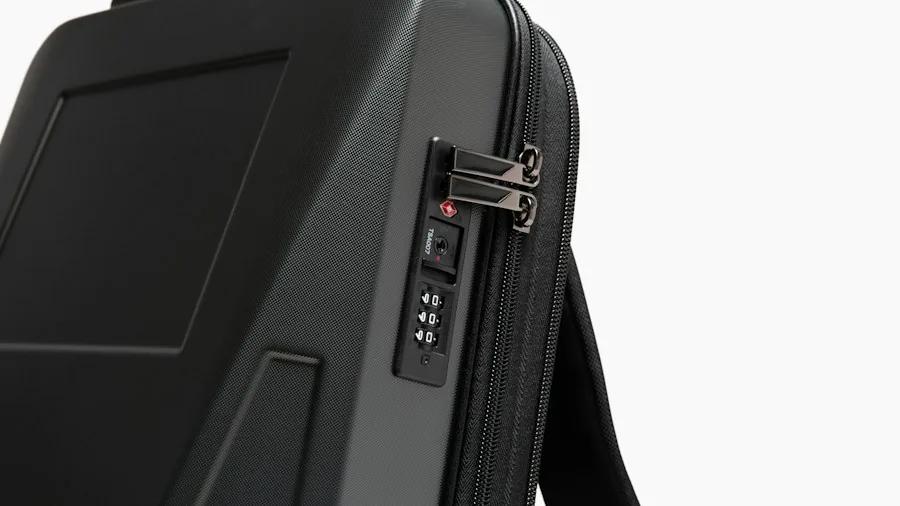
The case itself uses cheap plastic that feels completely out of place alongside headphones constructed from premium materials. On a $399 purchase, it’s obvious where Nothing cut manufacturing costs. The rigid shell design creates another practical problem: the case takes up nearly as much space in a bag as a full-size case for folding headphones, yet covers only the ear cups. Apple’s flexible sleeve at least compresses and bends to fit available space in a bag. Nothing’s rigid design refuses to bend, making it cumbersome for travel or daily commuting.
The headband presents perhaps the most problematic design choice. This is the component that sits on a user’s head every single day, yet Nothing left it completely exposed. The headband now serves as the case handle, subjecting it to constant wear from being picked up, hooked on things, and yanked from bags. It’s also vulnerable to catching on zippers, scraping against keys, chargers, and other bag contents, potentially causing damage to this critical structural component.
What This Means for Shoppers
The irony is that Nothing already had the right answer. The original Nothing Headphone came with a proper hard case that fully enclosed the headphones and included cable storage. For the $399 Pro model, the company inexplicably traded functionality for a design that mimics Apple’s most criticized feature. Competitors offer better solutions at similar price points. The Sony WH-1000XM6 and Bose QuietComfort Ultra (2nd Gen) cost slightly more but fold into comprehensive cases as befitting products in this price range.
For consumers considering the Nothing Headphone Pro, the device itself may offer good reasons to buy it. However, budgeting for a quality third-party case should be considered a necessary cost. This addition will increase the total investment significantly, which is frustrating for shoppers expecting a complete package at the premium price point. Before purchasing, evaluate whether you’re willing to supplement the included case with a separate protective solution, or whether you’d prefer a headphone model where the case actually meets your needs from day one.
About the author
Nevaeh is REMOVU's over-ear headphone writer, judging sound, comfort, and value across wireless and wired models. She helps readers find a spacious, long-wear pair for home or travel.