Mirrorless Camera Sales Trends Show What Shoppers Actually Want
Latest retail rankings show compact full-frame models and budget options dominating sales. Here's what that means for your next purchase.
 By Lawrence Hale
Updated September 29, 2026
By Lawrence Hale
Updated September 29, 2026

Japan’s latest retail sales data reveals fascinating insights into what shoppers are prioritizing when they buy a mirrorless camera. The rankings from a major Japanese retailer show clear patterns about which features and price points resonate most with buyers, offering valuable clues for anyone considering a purchase.
The Dominance of Compact Full-Frame Models
The most striking trend in recent sales data is the continued strength of compact full-frame designs. The Sony A7C II, which launched over two years ago, claims not one but two positions in the top five best-sellers across different kit configurations. This isn’t a temporary spike either: the camera has maintained consistent popularity for months, suggesting it appeals to a sustained audience of buyers seeking portability without sacrificing sensor size.
The A7C II’s success points to a clear buyer preference. Photographers increasingly want full-frame capability in a rangefinder-inspired package that doesn’t require hauling around bulky gear. The camera’s persistent dual ranking, at second place with a kit lens and fourth place as a body-only option, indicates that both new buyers and experienced photographers are choosing this model repeatedly.
Speed and Value Drive the Top Spot
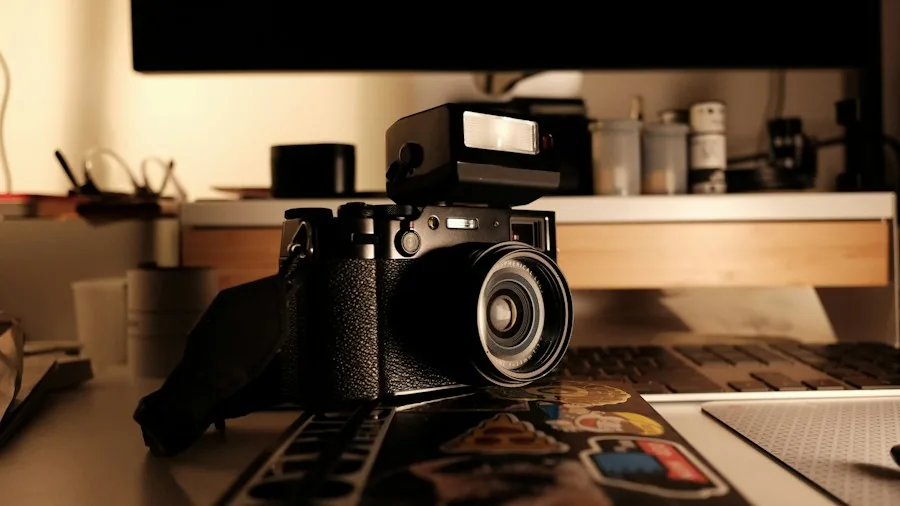
The Sony A7 V claims the number one position for the fifth consecutive ranking period, reinforcing its appeal across multiple market segments. Mirrorless and DSLR cameras have transformed photography, but this model specifically balances shooting speed, resolution, and affordability in ways that resonate with the broadest audience. The A7 V appears in multiple kit and body-only configurations on the list, suggesting that newly purchased models are also attracting add-on lens sales.
Budget Options Capture Real Market Share
Beyond the premium segment, budget-friendly models are proving remarkably durable in sales rankings. The Canon EOS R50, positioned as Canon’s second-most affordable mirrorless option, appears twice in the top ten. Both its dual-lens kit and single-lens kit configurations are selling well, with the single-lens version notably making its first appearance in the top ten. This suggests that entry-level buyers represent a significant purchasing segment, and retailers are seeing increased demand for affordable pathways into mirrorless technology.
The Fujifilm X-M5 rounds out the budget category at third place. As Fujifilm’s most compact and lightest mirrorless body at its regular retail price point, the X-M5 continues to attract shoppers who want an affordable introduction to interchangeable-lens photography.
What This Means for Your Purchase Decision
The consistency of these rankings across multiple months reveals which mirrorless cameras worth buying for under $1,000 maintain genuine customer satisfaction. When a camera appears in the top rankings repeatedly, rather than spiking once and disappearing, it indicates that buyers are satisfied enough to recommend the product to others and that retailers are confident in restocking.
For shoppers evaluating their options, these data points suggest several meaningful takeaways. First, compact full-frame models aren’t a niche preference but a mainstream priority. Second, the presence of budget cameras alongside professional models indicates that the market isn’t bifurcated into expensive and cheap categories but values a broad range of price points. Third, the fact that specific configurations matter, such as kit lenses versus body-only sales, shows that buyers care about getting complete systems rather than just purchasing bodies.
Emerging Preferences and Unexpected Winners
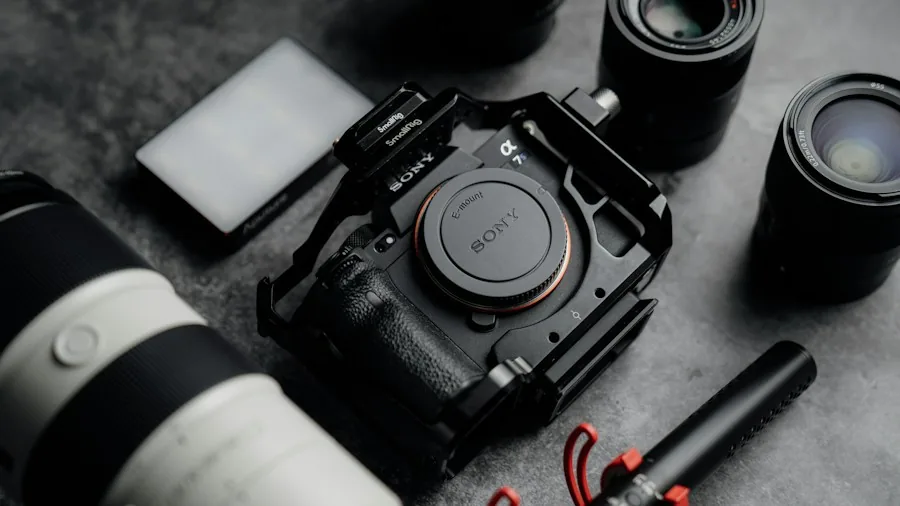
Interestingly, one unexpected entry appears in the data: a medium-format camera at number nine. The Hasselblad X2D 100C, with its 100-megapixel sensor and luxury positioning, rarely appears on retail best-seller lists and stands out dramatically from the compact, budget-friendly designs surrounding it in the rankings. Its presence suggests a small but significant audience of professional and enthusiast photographers willing to invest substantially in megapixel count and build quality.
The Sony ZV-E10 II also occupies a unique category, prioritizing vlogging features and compact size over full-frame capability. Its ranking with a dual-lens kit shows that content creators represent a defined buyer segment with specific priorities that differ from traditional photographers.
The Broader Picture for Camera Shoppers
These rankings offer more than trivia about which cameras sell best. They demonstrate that mirrorless cameras continue evolving to meet diverse needs, from wildlife photography to vlogging to compact travel. The persistence of older models like the A7C II alongside newly ranked cameras suggests that technology progression doesn’t make older options obsolete, especially when they excel at specific tasks or price points.
For buyers currently shopping, this data validates that researching proven, consistently popular models makes sense. The cameras appearing repeatedly in rankings have survived the test of real-world use by thousands of photographers. Their sustained popularity suggests you’re likely to find abundant online resources, communities of users, and available accessories. Whether your priority is compact size, budget pricing, speed, resolution, or specialized features like vlogging, the current market includes multiple well-supported options that continue earning buyer confidence.
About the author
Lawrence covers mirrorless and DSLR cameras for REMOVU, weighing image quality, autofocus, and lens ecosystems. He helps photographers choose a body they can grow with.