iPhone X Now Obsolete: What This Means for Current Owners
Apple stops hardware support for iPhone X. Here's what the obsolete classification means for your device.
 By Eleanor Garcia
Updated August 14, 2026
By Eleanor Garcia
Updated August 14, 2026
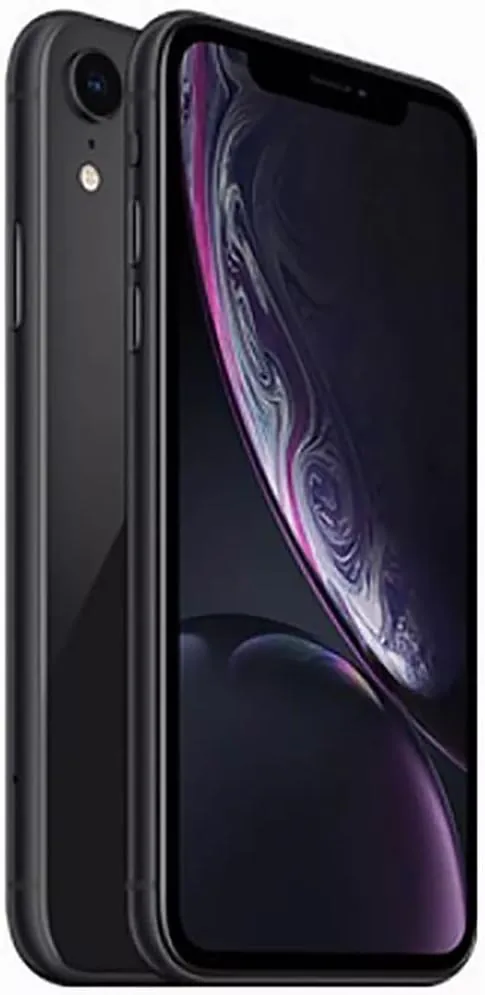
Apple has officially moved the iPhone X to its obsolete products list, marking a significant milestone nearly seven years after the device first launched. The change reflects Apple’s standard practice of classifying devices as obsolete once they reach a certain age and parts availability becomes limited. For millions of people who still own and use the iPhone X, understanding what this classification actually means is crucial to making informed decisions about repairs and upgrades.
What Obsolete Actually Means
When Apple classifies a device as obsolete, it primarily affects hardware repair options rather than basic functionality. The iPhone X will continue to power on and perform everyday tasks exactly as it does today. Apple is not remotely disabling the device, pushing out a software update that breaks it, or rendering it unusable. Instead, the obsolete designation changes what happens when hardware problems occur.
Once a product reaches obsolete status, Apple discontinues direct hardware service and prevents authorized service providers from ordering replacement parts through Apple’s official channels. This distinction matters significantly because it affects repair availability and potentially the cost of fixing common issues. The company generally moves devices to obsolete status more than seven years after discontinuing sales, though Apple determines the exact timing based on its own criteria.
The Software Situation
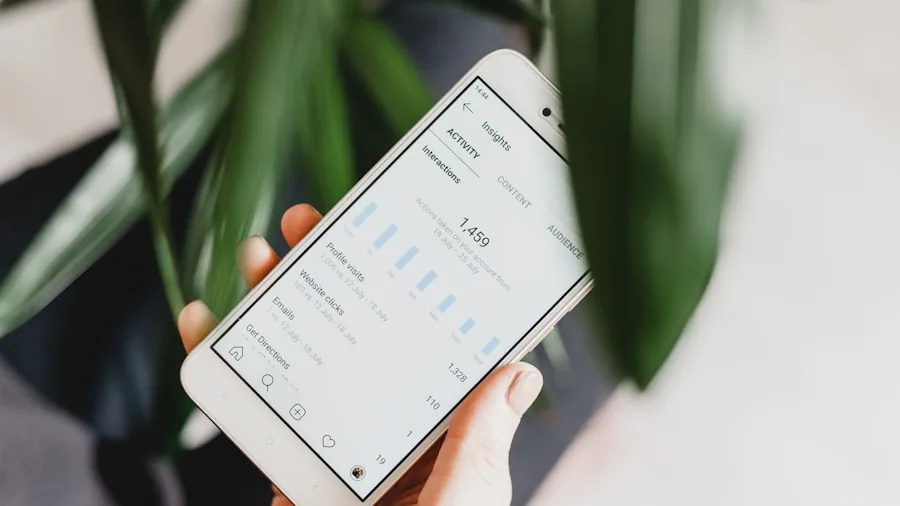
The iPhone X’s software support already reflects its aging status. The device maxed out at iOS 16, missing out on iOS 17 and never receiving access to the latest smartphone features that newer iPhone models enjoy. Currently, the iPhone X runs iOS 16.7.16 as its highest available version. This doesn’t mean the phone stops working, but it does mean owners cannot access newer features, security patches beyond version 16, or updated app compatibility that developers may introduce for iOS 17 and beyond.
The software ceiling will likely remain in place going forward. Apps may gradually become less optimized for iOS 16, and some new applications might require iOS 17 or later to function properly. For users still relying on their iPhone X, this is a gentle reminder that the device’s practical lifespan has definable limits.
When Repairs Become Complicated
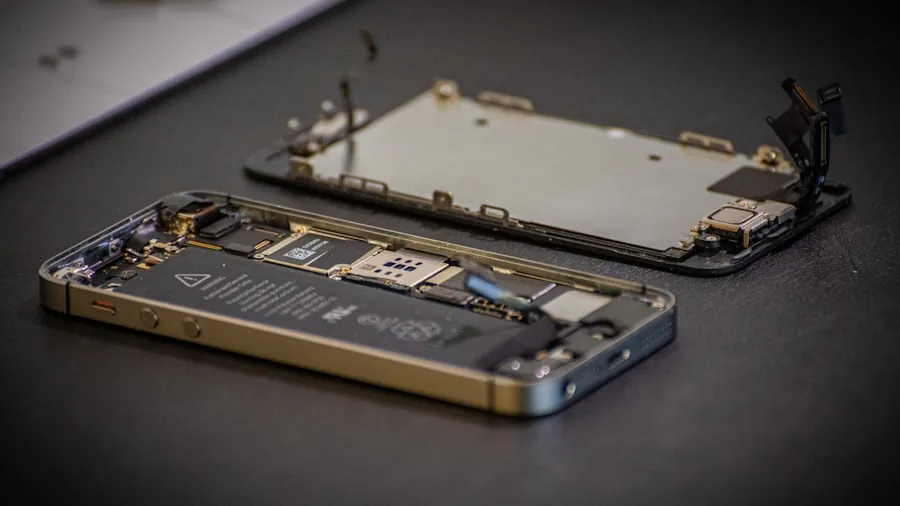
The real concern emerges when hardware fails. Worn batteries, cracked screens, and failing components are inevitable wear items that eventually affect any smartphone. For iPhone X owners, addressing these issues just became more challenging. While Apple notes that service extensions of up to ten years are sometimes possible depending on parts availability, owners should not assume this will apply to their specific situation.
Third-party repair shops may still service iPhone X units, though parts availability could vary by region. Independent repair options exist, but they carry different reliability considerations compared to official Apple service. Battery replacements, screen repairs, and other common fixes might become more expensive or harder to schedule as parts grow scarce.
Should You Upgrade Right Away?
For users whose iPhone X operates flawlessly, there is no immediate need to rush into a replacement purchase. The obsolete classification doesn’t suddenly render the device worthless or turn it into a paperweight. If your iPhone X battery remains strong, the screen shows no damage, and you encounter no hardware issues, continuing to use it poses no technical risk.
However, if you have been postponing a needed repair, this is an ideal moment to act. Battery degradation, screen damage, or other hardware problems should be addressed while official repair channels still exist. Waiting until a component fails unexpectedly could leave you without viable repair options during the repair search process.
Considering Newer Devices
The iPhone X introduced the design language and features that defined the iPhone lineup for years afterward: the notch, Face ID, and edge-to-edge display. Today’s iPhone models represent significant evolutionary leaps in camera quality, processing power, battery efficiency, and display technology. Models like those available through various wireless earbuds for iPhone ecosystems showcase how the platform continues advancing.
If you do decide to upgrade, modern iPhones offer substantially better cameras, faster processors, improved battery life, and access to current software updates. The upgrade path from iPhone X to a contemporary model represents a meaningful jump in capability and longevity.
The Bottom Line
The iPhone X moving to obsolete status is a natural part of product lifecycles. Your device will continue functioning normally unless hardware failure occurs. No urgent action is required if everything works perfectly. However, this development serves as a practical reminder that repair windows are closing. If your iPhone X needs attention, prioritize addressing those issues sooner rather than later. For those considering an upgrade, the timing aligns well with how technology evolves, though the decision ultimately depends on your current device’s condition and your personal needs.
About the author
Eleanor covers smartphones for REMOVU, balancing cameras, battery life, and software support against price. She helps readers find the best value as the field shifts with every release.