iPhone Prices Could Rise as Memory Shortages Extend Through 2030 What Shoppers Need to Know
Memory shortages could extend through 2030, putting upward pressure on iPhone and Mac costs for buyers.
 By Eleanor Garcia
Updated November 17, 2026

Apple’s next generation of iPhones and Macs may face serious cost pressures in the coming years, and those increases could ultimately land in your wallet. According to recent industry reports, one of Apple’s major component suppliers has warned that critical memory shortages could persist well into the next decade, creating a perfect storm that may force the tech giant to make difficult decisions about pricing.
The Memory Crisis Threatening Your Devices
The root of the problem lies in a global shortage of RAM and flash storage components. SK Hynix, a major supplier for Apple and other tech manufacturers, recently disclosed that supply constraints for memory chips could continue until at least 2030. This is an unusually long timeline for the technology industry, where new smartphones and computers typically launch every year on a predictable schedule.
The primary driver behind this sustained shortage is the explosive growth in artificial intelligence infrastructure. Data centers and AI servers worldwide are consuming unprecedented quantities of memory chips as companies race to build increasingly sophisticated AI systems. Memory manufacturers cannot expand production quickly enough to meet this surging demand. Building new semiconductor facilities takes years to complete, and creating advanced memory components involves extraordinarily complex manufacturing processes that cannot be rushed.
Why Apple Cannot Simply Pay Its Way Out
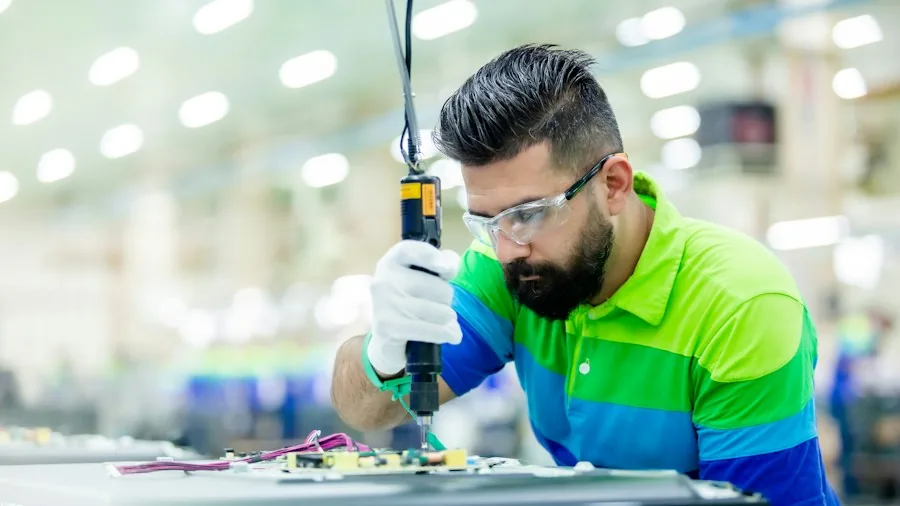
Normally, a company facing supply shortages might simply negotiate higher prices to secure inventory. Apple certainly has the financial resources to do this. However, the current situation presents a unique challenge: virtually every major technology company is simultaneously competing for the same limited pool of memory chips.
Apple has reportedly secured supply agreements with SK Hynix and is pursuing similar arrangements with Samsung to guarantee access to these critical components. While these agreements do provide reassurance that Apple will receive a steady supply of memory, they come with a significant caveat. The pricing terms remain flexible, meaning that guaranteed availability does not necessarily translate into affordable pricing. Market conditions can still drive costs higher, even for companies with pre-established supply contracts.
The challenge extends beyond just memory components. Industry analysts suggest that printed circuit boards, which form the foundation of every electronic device, could also face manufacturing constraints. As iPhone and Mac designs become more sophisticated, producing these circuit boards becomes increasingly difficult, potentially creating another supply bottleneck.
What This Means for Your Next iPhone

The critical question for consumers is straightforward: will rising component costs result in higher prices for future iPhones, iPads, and Macs? Apple maintains substantial negotiating power with suppliers due to the sheer volume of devices it manufactures and sells globally. Yet when competing against rival manufacturers for limited resources, even Apple’s size provides less leverage than it once did.
Apple has publicly acknowledged the pressure from rising component costs and stated that it is working to minimize their impact on consumers. The company could respond to increased expenses in several ways. It might absorb some costs internally, reducing profit margins. It could implement selective price increases on certain models while keeping others unchanged. Or it might adjust its product lineup strategy, potentially offering fewer options at different price points.
Users of wireless earbuds and accessories for iPhones may also experience cost increases, as the entire Apple ecosystem relies on similar memory and component supplies. Even peripheral devices could become more expensive if memory shortages continue throughout the decade.
The Long-Term Outlook for Apple Consumers
Nothing about these supply constraints guarantees that your next iPhone purchase will cost more than current models. Apple has options available to manage this challenge. However, with memory availability expected to remain tight through 2030 and potentially beyond, maintaining affordable pricing will become increasingly difficult.
The situation also illustrates a broader dynamic affecting the technology industry: the explosive growth of AI infrastructure is reshaping manufacturing priorities and supply chains across the entire sector. Related Apple products and accessories may face similar pressures.
Smart consumers should monitor pricing trends on iPhone models over the next several years. If you have been considering an upgrade, understand that component costs may eventually influence future pricing decisions. Apple’s history demonstrates that the company typically tries to maintain price stability when possible, but prolonged shortages that last years rather than months create different dynamics.
The coming years will reveal how Apple balances its commitment to consumer value against the realities of a constrained supply environment. What seems certain is that memory availability, not innovation or design, may become the defining factor shaping the affordability of your next device upgrade.
About the author
Eleanor covers smartphones for REMOVU, balancing cameras, battery life, and software support against price. She helps readers find the best value as the field shifts with every release.