iPhone Camera Control Coming to iPad: What Buyers Should Know
Apple's new patent shows Camera Control coming to iPads soon, matching the iPhone 16 feature.
 By Yolanda Carroll
Updated August 19, 2026
By Yolanda Carroll
Updated August 19, 2026
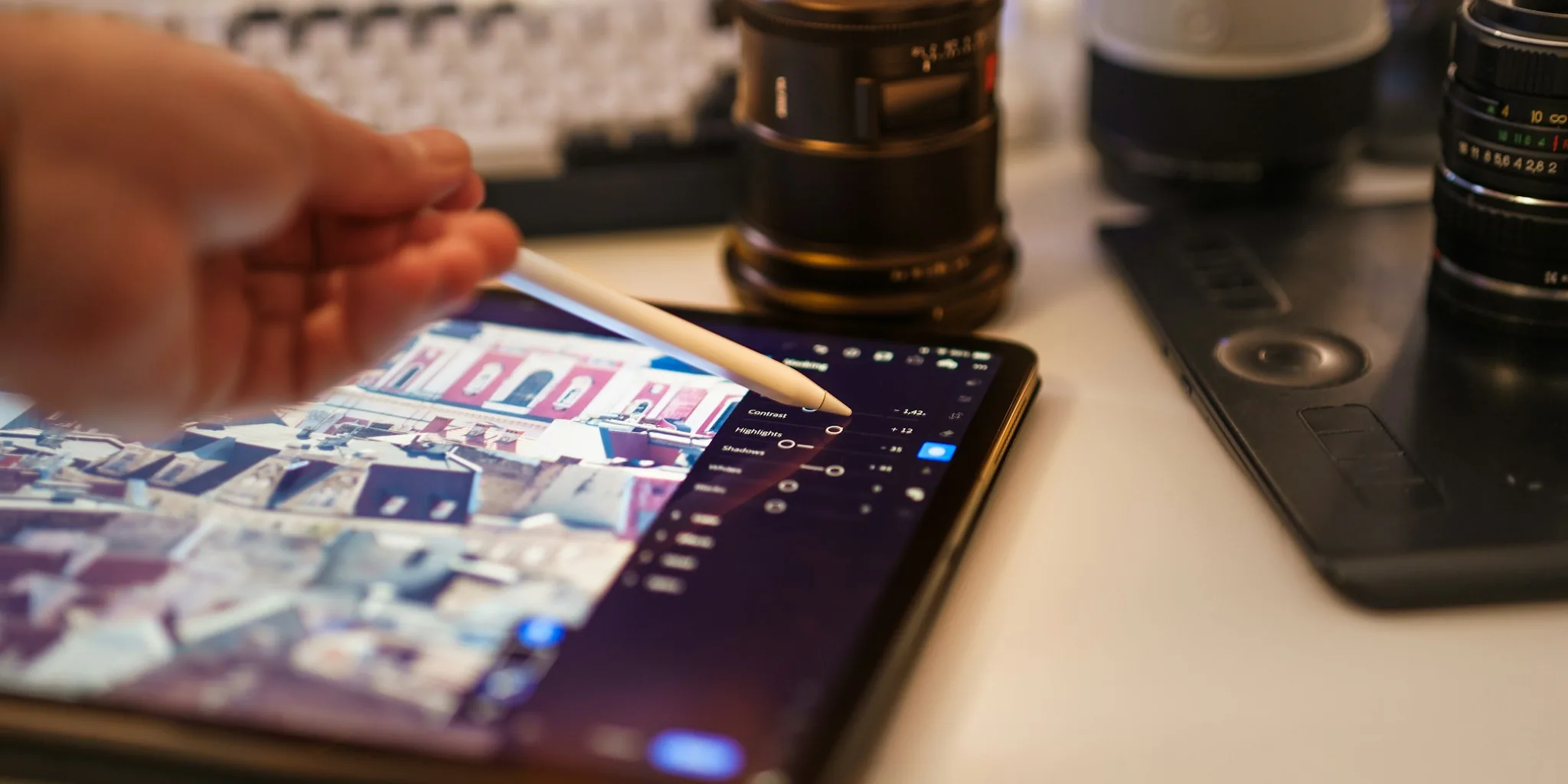
Apple’s upcoming iPad models may soon gain a feature that iPhone 16 users have been enjoying since launch: a physical Camera Control button. A recently granted patent reveals that Apple is exploring a pressure-sensitive input system designed specifically for tablet devices, signaling a major shift in how photographers interact with Apple’s larger screens.
What the Patent Reveals
The newly granted patent, titled ‘Input System for Portable Electronic Device,’ describes a sophisticated button system that can recognize taps, swipes, and full presses. Unlike standard touch controls, this technology relies on strain-sensing elements to detect where pressure is applied and how much force is used. A separate dome switch activates when users press harder, allowing a single control to handle multiple types of input with varying pressure levels.
The mechanics mirror exactly what Apple implemented in the iPhone 16 lineup. The patent specifies pressure thresholds of approximately 0.8 to 1.2 Newtons for the first activation level and 3.0 to 4.0 Newtons for a second deeper press. Haptic feedback would accompany these interactions, providing users with tactile confirmation of their input. What makes this patent particularly interesting is its focus on tablet form factors: across 20 drawings and charts, only three depict iPhones while tablet-shaped devices dominate the illustrations.
How Camera Control Transforms iPad Photography

Since iPhone introduced this button, reactions have been mixed among users. However, the case for bringing it to iPad appears compelling. The larger screen real estate of tablets creates a more practical environment for this type of control compared to phones. Users who hold an iPad horizontally while recording video or capturing photos could benefit from a dedicated physical button rather than reaching across the display.
Document scanning becomes simpler with a physical shutter control. Adjusting zoom levels, recording video, and capturing photos while maintaining a comfortable grip all become easier with a dedicated button. The button’s sensitivity to different pressure levels allows users to launch the camera app with a light tap, capture images with a standard press, and access additional photographic controls through swipes and deeper presses. This multilayered interaction system gives photographers precise control without cluttering the touchscreen interface.
What This Means for Current and Future iPad Owners
While Apple hasn’t officially announced plans to integrate Camera Control into iPad models, the patent’s detailed specifications suggest serious engineering work. Patents alone don’t guarantee product release, but the extensive documentation and tablet-focused design sketches indicate Apple views this as a viable feature for future devices. The company’s approach to integrating new technologies typically involves refining them on iPhones first, then expanding to iPad when the implementation feels natural to the larger form factor.
For shoppers considering iPad purchases, this development matters in two ways. First, if you’re waiting for the next generation of iPad models, anticipate that Camera Control could become a standard feature within the next few product cycles. Second, if tablet photography ranks high on your priority list, understanding how this button system works on iPhone 16 models provides insight into what iPad optimization might eventually offer.
The Bigger Picture for Apple’s Ecosystem
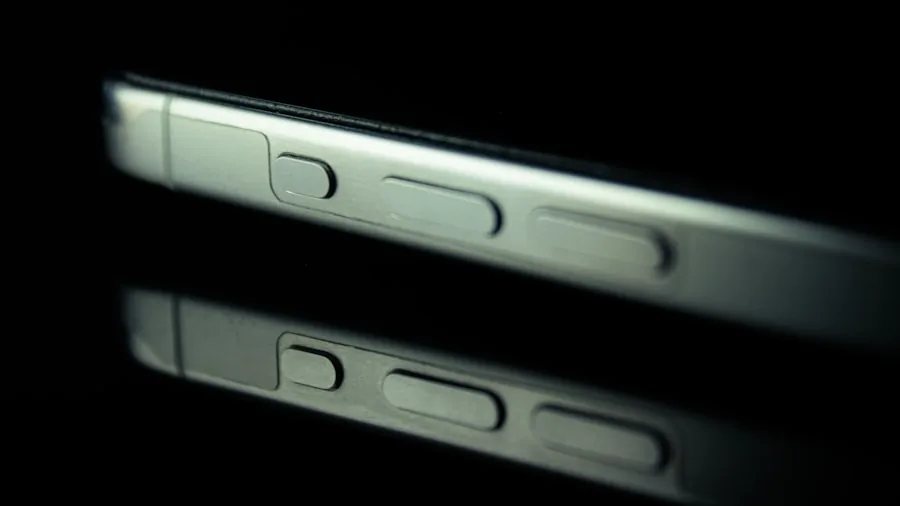
Apple has historically brought successful iPhone features to iPad after establishing them on phones. The Camera Control system represents a rethinking of how users interact with mobile photography. The company’s willingness to explore this on iPad suggests confidence in the button’s utility across device sizes. As Apple’s ecosystem expands, consistency in interface elements and control methods strengthens the overall user experience.
The patent filing also reflects broader trends in tablet photography. Professional and casual photographers increasingly rely on tablets for serious image capture, not just consumption. Apple recognizes this shift and appears ready to provide tools that match tablets’ capabilities with genuine camera-focused controls.
What Remains Uncertain
Apple has made no official announcements regarding Camera Control’s arrival on iPad. The company files thousands of patents annually, and many never reach consumers. However, the specificity of this patent, combined with Apple’s track record of eventually bringing iPhone innovations to iPad, makes this more than mere speculation. The real question isn’t whether the technology is viable, but when Apple chooses to implement it and which iPad models will receive it first.
For now, owners of current iPad models should continue evaluating these devices on their existing merits. Those considering tablet purchases in the coming months might benefit from waiting to see what Apple announces at its next major event. The company typically refreshes iPad Pro and standard iPad lines throughout the year, and Camera Control could appear in any of these refreshes.
About the author
Yolanda covers tablets for REMOVU, weighing performance, display, and value across iPad and Android options. She helps readers pick a tablet that fits couch time or real work.