iPhone Battery Technology Could Give Android Flagships 10000 mAh Capacity
Apple's patented metal-can battery design is heading to Android flagships with even higher capacity breakthroughs.
 By Eleanor Garcia
Updated September 29, 2026
By Eleanor Garcia
Updated September 29, 2026
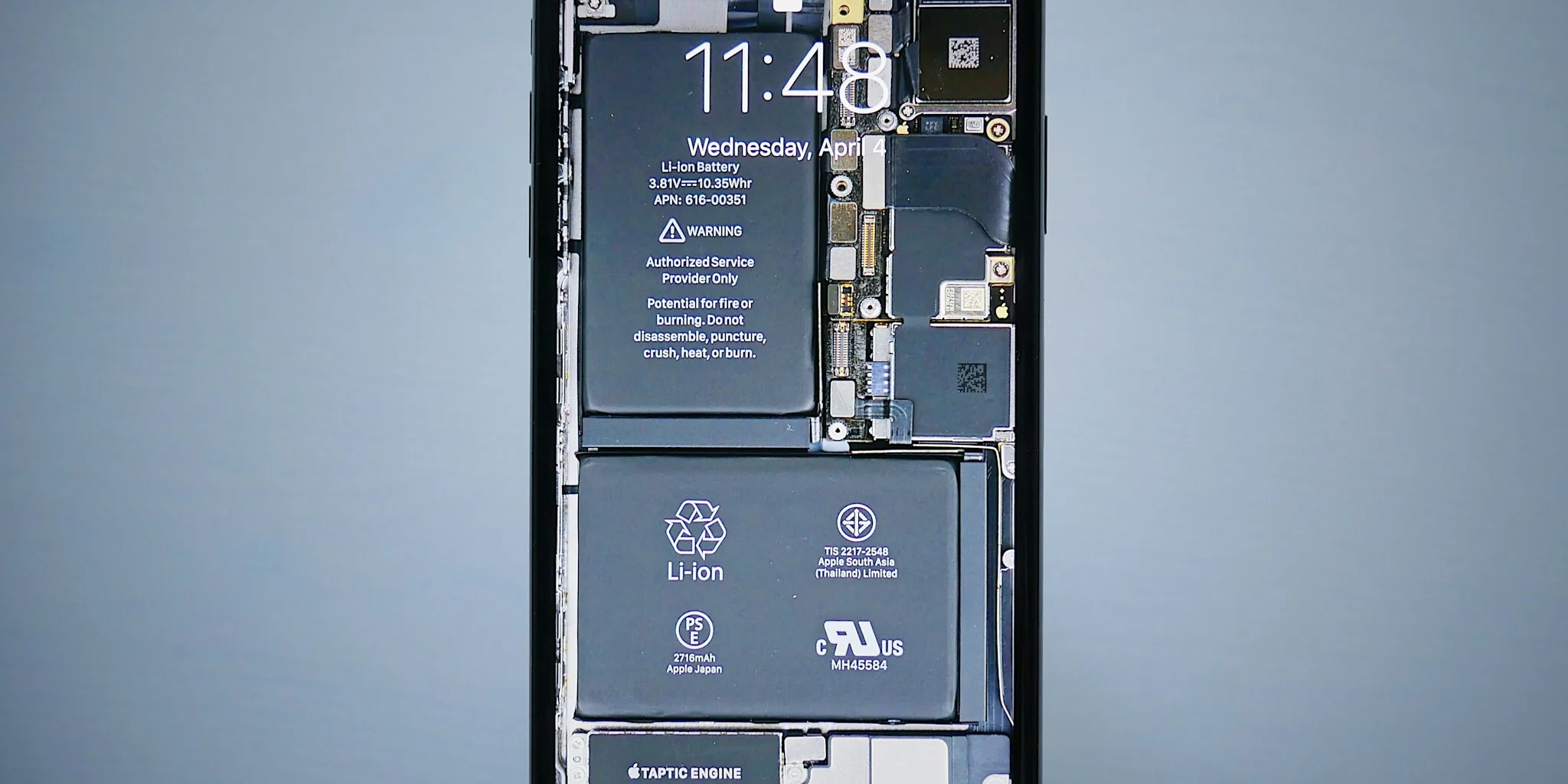
Apple’s patented battery innovation from 2020 is about to reshape how Android manufacturers approach energy density in their flagship devices. A metal-cased battery design that debuted in earlier Apple Watch models and has since been adopted across recent iPhone lineups is now attracting serious attention from Android phone makers seeking to break through the 10000 mAh barrier without compromising device thickness or performance.
What Is Metal-Can Battery Technology?
At its core, the metal-can battery represents a fundamental shift in how engineers contain and manage lithium-ion cells. Traditional smartphone batteries rely on soft aluminum pouches that flex during charge cycles. As lithium-ion cells expand and contract with repeated use, manufacturers must build extra internal space into devices to accommodate this swelling. This expansion ultimately limits how much battery capacity can fit inside a phone’s chassis.
Metal-shell casings solve this problem through mechanical resistance. The rigid structure prevents excessive cell swelling, allowing engineers to pack batteries more tightly and achieve substantially higher capacities within the same physical footprint. Apple first patented this technology in 2020, subsequently introducing it to the Apple Watch Series 5. The company has since expanded metal-can battery implementation across its iPhone 16 and iPhone 18 lineups, where it has proven instrumental in delivering meaningful battery life improvements.
How Android Makers Plan to Adopt This Approach
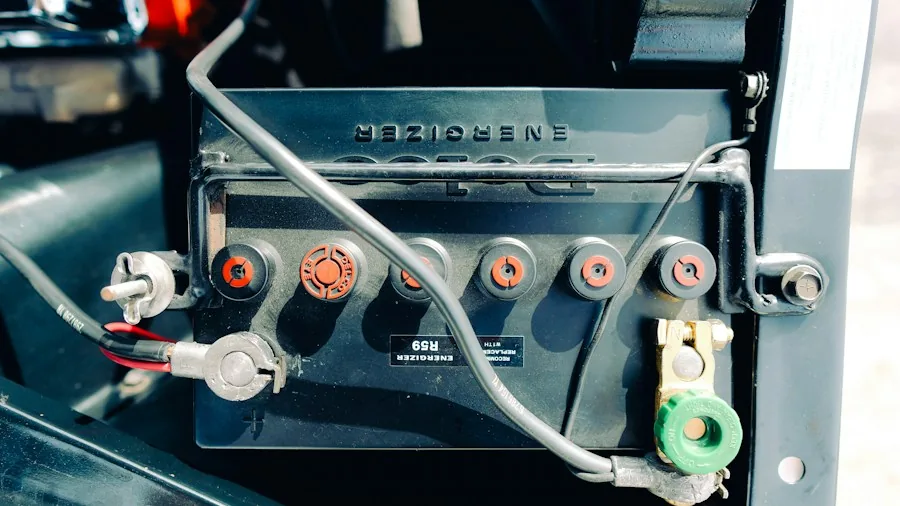
Android manufacturers are not simply copying Apple’s design. Instead, they are planning to combine metal-can technology with their own advanced battery chemistry innovations. Chinese phone makers, particularly those in the flagship segment, are reportedly exploring hybrid approaches that merge metal-cased batteries with silicon-carbon anode technology and stacked battery configurations.
Silicon-carbon batteries, pioneered by brands like Honor and Xiaomi, infuse silicon into the anode material to increase energy density significantly. While silicon offers superior energy potential compared to traditional graphite, it presents engineering challenges: the material becomes fragile and expands considerably when charged. Manufacturers have addressed these issues by applying protective coatings to the anode, limiting expansion risk and extending cycle life.
Combining this silicon-carbon advancement with metal-can design could unlock capacity levels of 9000 to 10000 mAh or higher in upcoming flagship models. By pairing the structural containment of metal shells with the superior chemistry of silicon-carbon anodes, engineers can push energy density well beyond what either technology achieves independently.
What This Means for Shoppers
For consumers evaluating premium smartphones and accessories, this development signals that ultra-high-capacity batteries will become mainstream features rather than exceptions. Current flagship Android devices already approach the 8500 mAh threshold in slim form factors, meaning that devices with 10000 mAh capacity in comparable thickness are realistically just months away from commercial availability.
Larger batteries translate to extended daily usage without requiring a charge, faster completion of work or entertainment tasks, and reduced battery degradation over the device’s lifespan. For heavy users who rely on their phones throughout the day, the jump from 6000 to 10000 mAh capacity represents a dramatic improvement in real-world autonomy. The metal-can design ensures this increased capacity does not force manufacturers to sacrifice sleek device profiles or create internal space limitations that compromise component placement.
The Broader Battery Innovation Race
This metal-can battery advancement arrives as the entire smartphone industry explores next-generation energy storage solutions. Engineers and manufacturers are simultaneously researching solid-state batteries, lithium-metal chemistries, and anode-free designs, each promising even more dramatic capacity gains and faster charging speeds in future generations.
The practical advantage of metal-can technology is that it can be deployed using existing manufacturing infrastructure and established supply chains. Unlike emerging chemistries that require entirely new production facilities, metal-can batteries represent an evolution of current processes. This means consumers could see widespread availability of 10000 mAh devices relatively quickly once major manufacturers commit to the design shift.
The fact that Apple developed and patented this technology, only for Android manufacturers to adopt and build upon it with their own innovations, underscores how rapidly the smartphone industry moves forward. What begins as one company’s competitive advantage becomes an industry standard within years. For shoppers, this creates a favorable dynamic where major improvements in battery capacity and longevity filter down to flagship models across all manufacturers.
Whether you prefer iPhones or Android devices, the convergence around metal-can battery technology suggests that decade-long battery life and minimal thickness will soon coexist in premium smartphones. This represents genuine progress toward one of consumers’ most persistent complaints about modern phones: the constant need to charge.
About the author
Eleanor covers smartphones for REMOVU, balancing cameras, battery life, and software support against price. She helps readers find the best value as the field shifts with every release.