iPhone 20 Anniversary Model Will Feature Curved Displays What Shoppers Need to Know
Apple's upcoming anniversary iPhone relies on Samsung display tech. Here's what the wraparound screen means for shoppers.
 By Eleanor Garcia
Updated October 7, 2026
By Eleanor Garcia
Updated October 7, 2026
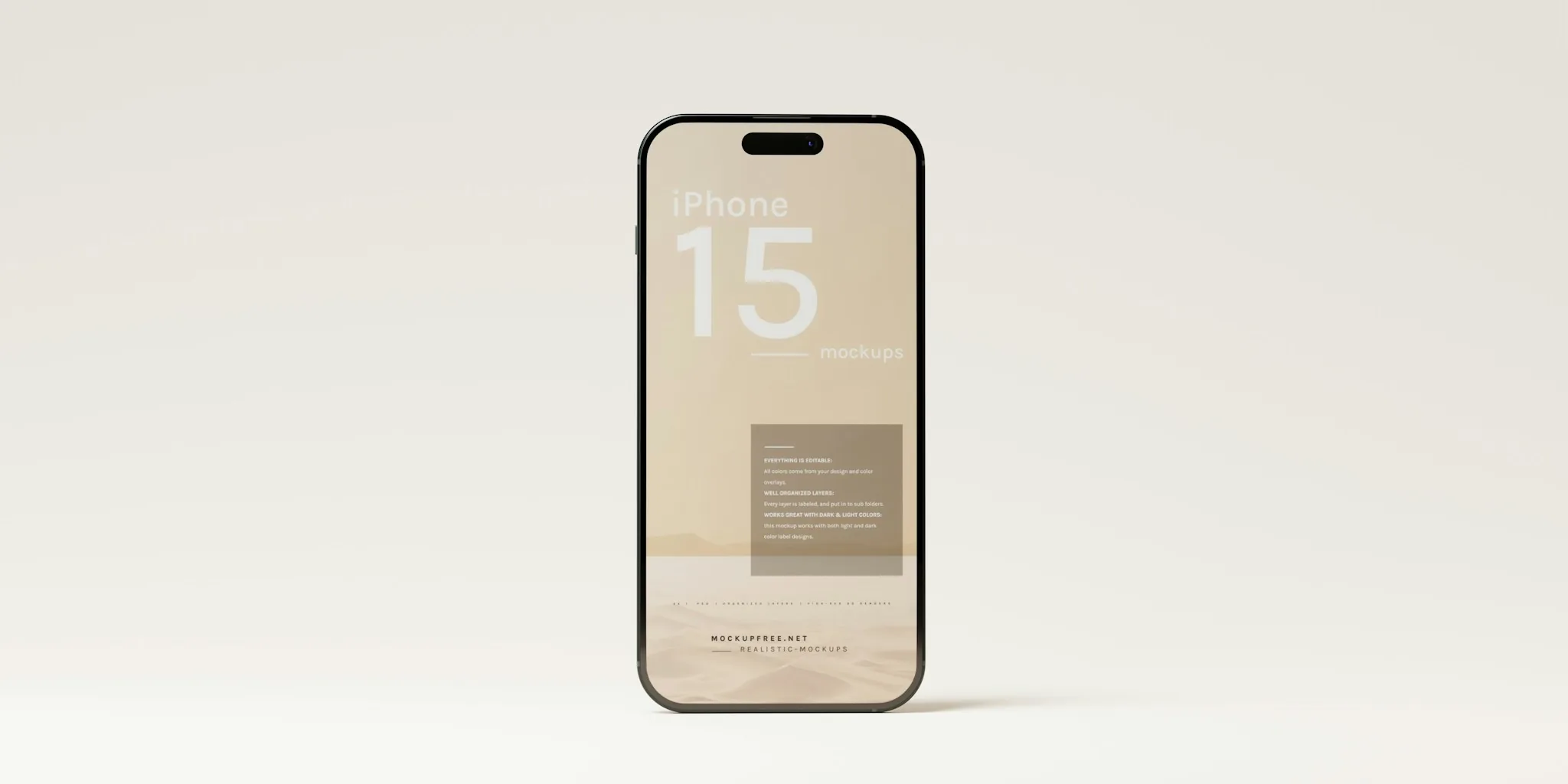
Apple is reportedly planning a major design overhaul for its twentieth anniversary iPhone model, and the shift could fundamentally change how you interact with your device. According to industry sources, the upcoming iPhone 20 is expected to introduce curved display technology, marking a significant departure from the flat-screen design that has defined iPhones since the iPhone 12 series launched in 2020.
What the Curved Display iPhone 20 Will Look Like
Unlike previous curved display attempts, Apple’s vision for the iPhone 20 involves a screen that wraps almost ninety degrees around all four corners of the device. This design would eliminate the traditional bezels and frames, creating what Samsung and industry analysts call a “full-surround, full-screen display.” The entire perimeter of your phone would essentially become part of the viewing area, similar to concept phones that have circulated in the tech community over the years.
This represents a substantial shift from how smartphones currently function. Today’s devices maintain flat screens with curved edges only at the very edge of the display. The new design would make those curved sections functional, interactive areas rather than simply aesthetic design elements.
Why Samsung’s Technology Matters for Your Next iPhone
Here’s where the story gets interesting for consumers: Apple’s ambitious design apparently depends entirely on Samsung’s display technology. Despite Apple’s reputation for in-house innovation, the company cannot currently manufacture the type of advanced OLED display required for this wraparound design. Samsung is the only manufacturer working on the specific display technology Apple needs, which means your iPhone 20’s success depends on Samsung solving several complex engineering challenges.
These challenges are substantial. Samsung must overcome optical distortion and color shifts that occur when the display bends sharply at ninety-degree angles. The company also needs to maintain the protective layers of the OLED panel through these extreme bends without compromising durability or image quality. Additionally, engineers must figure out how to preserve the antenna connectivity that currently relies on the metal and plastic frames that would disappear entirely in this new design.
What This Means for Buyers Considering the iPhone 20
If you’re planning to upgrade when the iPhone 20 launches, you should understand both the potential benefits and real concerns with this design approach. The dramatic curved display would offer an immersive visual experience with nearly edge-to-edge screen real estate. Content consumption could feel more engaging, and the device would certainly stand out aesthetically compared to current iPhone accessories and competitors.
However, practical concerns deserve serious consideration. A screen that curves to the edges offers significantly less protection against accidental drops compared to phones with flat displays and traditional side frames. Without protective bezels, the curved edges become vulnerable points. Many users who have previously owned phones with curved displays report experiencing accidental palm touches during normal use, where your hand inadvertently triggers the screen while holding the device.
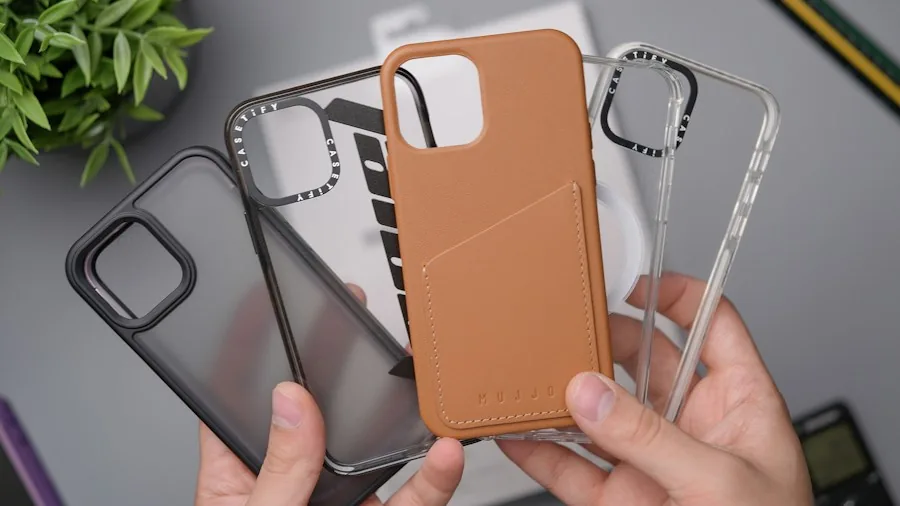
There’s also the matter of protection cases. Many shoppers purchase protective cases to shield their phones, and using a case on an all-display device would largely negate the design innovation, as the protective material would cover the curved screen edges.
Timeline and What Comes Before the Anniversary Model
The iPhone 20 represents Apple’s longer-term vision, but the company plans an intermediate step. The upcoming anniversary model will feature curved displays that build toward the full wraparound design without going to the extreme yet. This allows Apple to refine the technology and manufacture while Samsung continues developing the more advanced version Apple ultimately wants.
This staged approach benefits consumers by allowing technology to mature. Rather than launching a completely untested design, Apple can gather real-world feedback and data from the curved-display iPhone 20 before committing to the full wraparound display in later models. This strategy reduces the risk that buyers will encounter major unforeseen issues.
The Bigger Picture for Smartphone Design
What Apple does typically influences the entire industry. Samsung pioneered curved displays years ago with its Galaxy S6 Edge and Galaxy S7 Edge, though the company later moved away from them. If Apple successfully launches the wraparound display in a future generation, you can expect other manufacturers to follow. This means the smartphone designs available to consumers several years from now could look dramatically different from today’s offerings.
For buyers deciding between current models and waiting for the iPhone 20, consider your priorities. If you prioritize innovative design and are willing to accept potential durability trade-offs, the anniversary model may appeal to you. If you prefer proven, reliable design with maximum protection, current iPhone models with flat displays represent a safer choice. Your decision ultimately depends on whether cutting-edge design matters more to you than traditional durability features.
About the author
Eleanor covers smartphones for REMOVU, balancing cameras, battery life, and software support against price. She helps readers find the best value as the field shifts with every release.