iPhone 18 Pro Variable Aperture Explained: What Shoppers Need to Know
Apple's new variable aperture gives iPhone 18 Pro users more creative camera control than Galaxy competitors.
 By Eleanor Garcia
Updated September 27, 2026
By Eleanor Garcia
Updated September 27, 2026
A Major Camera Upgrade Arrives on iPhone
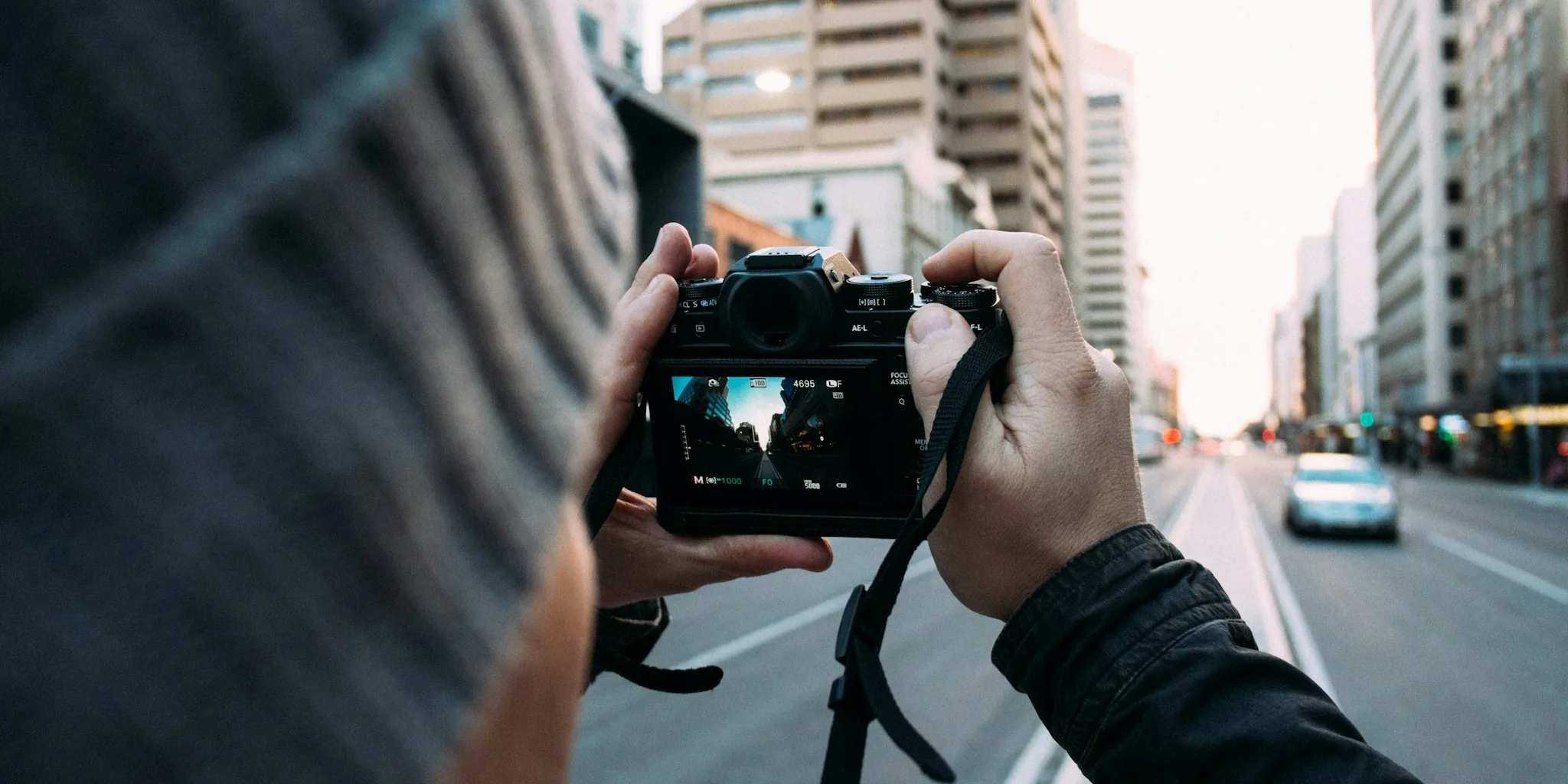
Apple has introduced a significant new feature to the iPhone 18 Pro and Pro Max: a variable aperture on the main camera. This capability allows photographers to manually adjust the camera’s aperture settings between f/1.48, f/1.8, f/2.8, and f/4.0 directly through the camera app. While Samsung’s Galaxy S26 Ultra and other leading competitors rely on fixed aperture designs, this adjustable lens opening gives iPhone users more creative control over their images. For those shopping for a premium smartphone, understanding what this feature means in practice is essential to making an informed decision.
How Variable Aperture Changes Your Photos

The variable aperture primarily affects depth of field, which is the area of a photo that remains in sharp focus while the background blurs. A wider aperture (lower f-number like f/1.48) creates a more pronounced blur effect and sharper subject detail. A narrower aperture (higher f-number like f/4.0) brings more of the scene into focus. This gives iPhone 18 Pro users granular control that wasn’t previously available on any iPhone model.
When comparing the iPhone 18 Pro Max side by side with the Galaxy S26 Ultra, the differences become clear in specific shooting scenarios. The Galaxy S26 Ultra features a fixed f/1.4 aperture, which is an improvement from its predecessor but lacks the flexibility of variable settings. In close-up photography of flowers or textured subjects, the iPhone’s f/1.48 setting produces noticeably sharper details with superior edge definition. The focal point remains cleaner, and fine details on leaves and petals remain crisp while the background softens appropriately.
Real World Performance: What You’ll Actually See
The practical impact of variable aperture depends heavily on shooting distance and subject matter. When photographing subjects at arm’s length or closer, both devices encounter limitations. The iPhone 18 Pro Max automatically switches to macro mode using its ultra-wide camera when you get extremely close, which actually prevents the variable aperture from functioning. The Galaxy S26 Ultra handles this transition more seamlessly due to its lack of a variable aperture constraint. For users who frequently shoot extreme close-ups, this represents a notable trade-off.
However, when you achieve optimal focal distance on the iPhone 18 Pro Max, the results become compelling. Photos taken at f/1.48 display excellent separation between your subject and the background, with the subject appearing sharp and well-defined. At medium distances of approximately three feet, this separation becomes visually obvious and noticeable in comparison shots. The Galaxy S26 Ultra produces pleasant depth of field as well, but lacks the same level of control and fine-tuning capability.
When photographing subjects at greater distances, roughly three to four feet away, the variable aperture’s advantages become more apparent yet also more subtle. The iPhone 18 Pro Max at f/1.48 creates clear separation between foreground and background elements. The Galaxy S26 Ultra still produces attractive photos, but the background blur appears less pronounced. Both devices deliver visually pleasing results, though the iPhone offers greater flexibility to adjust the effect by changing aperture settings.
Color and Exposure Considerations
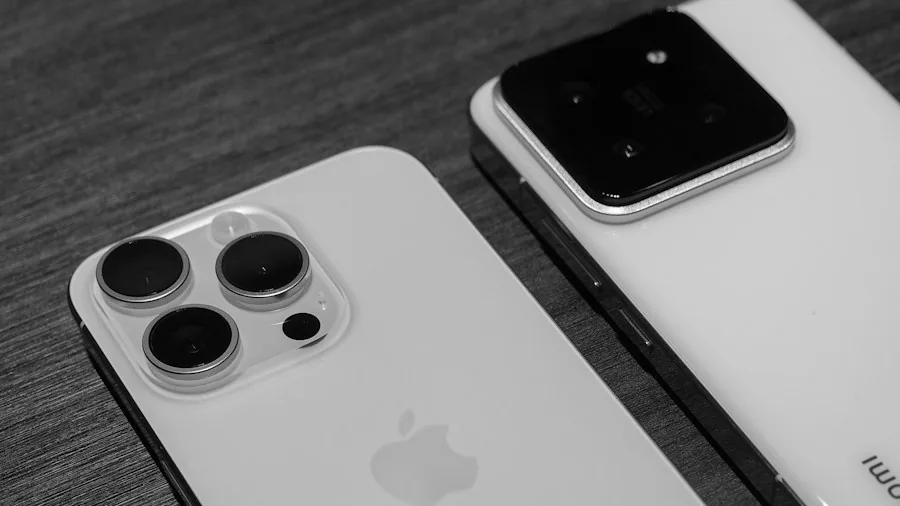
Beyond depth of field, the iPhone 18 Pro Max and Galaxy S26 Ultra approach color rendering and exposure differently. The Galaxy S26 Ultra applies more aggressive color treatment and exposure boosting directly in its camera processing, creating photos that appear more vibrant immediately. The iPhone 18 Pro Max takes a more neutral approach, requiring users to apply additional editing if they want more visual impact and saturation. Neither approach is inherently superior; it depends on whether you prefer ready-to-share photos or the flexibility to edit afterward. For consumers familiar with Apple’s editing tools, this may not be a significant concern. For those wanting instant impact, Galaxy’s approach may feel more polished.
Is the Variable Aperture Feature Worth Considering?
The variable aperture is undeniably a useful feature that distinguishes the iPhone 18 Pro from other premium phones on the market. Professional photographers and advanced photography enthusiasts will appreciate the creative control it provides. The ability to switch between four aperture settings enables you to achieve natural depth of field effects without relying solely on Portrait Mode, which uses artificial processing.
However, casual photography users may not find themselves regularly adjusting aperture settings. Standard Portrait Mode, which both the iPhone and Galaxy S26 Ultra offer, handles everyday depth of field adjustments automatically. Many shoppers will be equally satisfied with either phone’s photo quality for social media, family photos, and travel documentation.
Both the iPhone 18 Pro Max and Samsung Galaxy S26 Ultra are available for purchase now. The variable aperture represents an incremental but meaningful advancement in mobile photography capability that appeals primarily to users who want advanced creative controls. When evaluating premium smartphones, consider whether this feature aligns with your photography habits and whether the additional control justifies your purchase preference. Comprehensive reviews are expected in the coming weeks, offering deeper analysis of overall performance across diverse real-world scenarios. If you’re invested in the Apple ecosystem, also explore smartwatches compatible with iPhone and wireless earbuds designed for iPhone users to complete your mobile experience.
About the author
Eleanor covers smartphones for REMOVU, balancing cameras, battery life, and software support against price. She helps readers find the best value as the field shifts with every release.