iPhone 18 Pro Max Gains Ground as Samsung Flagship Flaws Push Buyers Away
Samsung's newest flagships sacrifice key features, pushing premium phone shoppers toward Apple's latest option.
 By Eleanor Garcia
Updated September 25, 2026
By Eleanor Garcia
Updated September 25, 2026
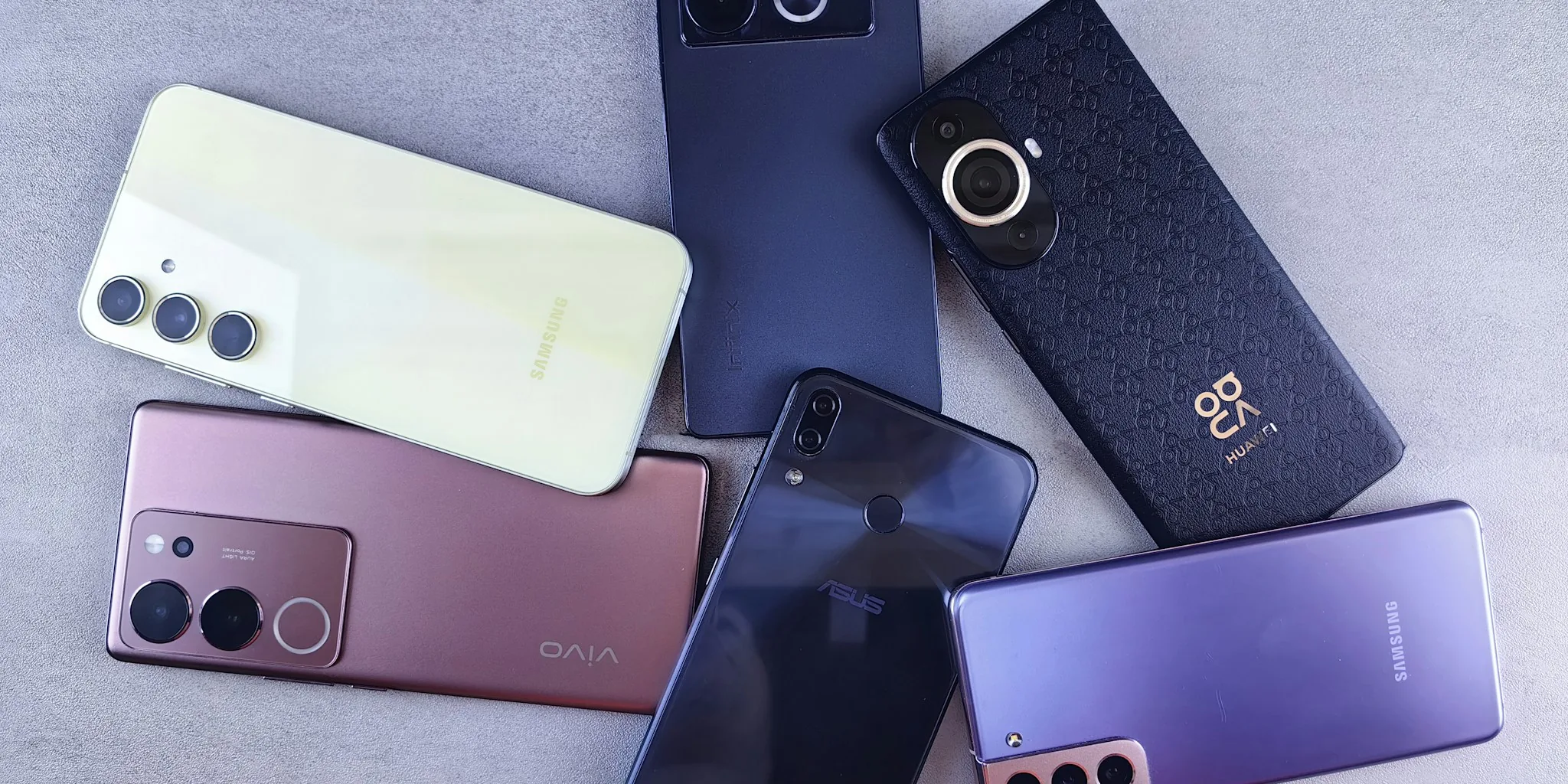
The smartphone landscape is shifting in unexpected ways. While Samsung’s latest flagships deliver impressive features, emerging drawbacks are sending some shoppers toward Apple’s newest offering. Understanding these trade-offs matters if you’re considering a premium device upgrade.
Samsung’s Foldable Misstep: Missing Telephoto Lens
The Galaxy Z Fold 8 represents a genuine breakthrough in foldable phone design. Its lightweight construction and refined form factor have won over critics and consumers alike. Yet one critical omission threatens to undermine its appeal: the absence of a telephoto camera.
For photography enthusiasts, telephoto capability transforms how you capture distant subjects. Whether framing a city skyline, mountain range, or other faraway scenes, a dedicated telephoto lens preserves image clarity that digital zoom simply cannot match. When relying on digital zoom alone, you sacrifice significant detail and quality.
Samsung appears to be reserving telephoto functionality for higher-tier models, likely to differentiate the standard Fold 8 from its Ultra variant. However, this strategy risks frustrating buyers who expect comprehensive camera systems at the Fold 8’s price point. For users prioritizing zoom photography, this limitation becomes a genuine dealbreaker, not merely a minor oversight.
Galaxy S26 Ultra’s Display Compromise
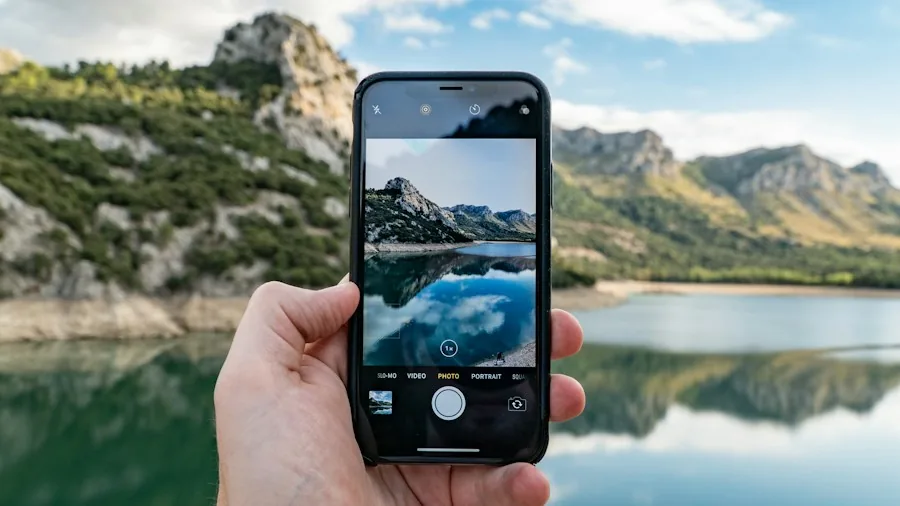
Samsung’s introduction of Privacy Display technology on the Galaxy S26 Ultra is genuinely innovative, offering users control over screen visibility from side angles. Unfortunately, this feature comes at a cost: noticeable degradation in overall display quality.
Even with Privacy Display disabled, the S26 Ultra’s screen exhibits inferior viewing angles and color accuracy compared to competing premium phones. While still performing adequately, it falls short of the excellence you’d expect at this price level. The technology requires optical modifications that inherently affect panel performance, creating an unwelcome compromise.
Beyond display concerns, the S26 Ultra’s design refresh feels less compelling than its predecessor. Rounder edges and a redesigned camera module lack the refined aesthetic of the Galaxy S25 Ultra, making the new model feel like a step backward visually rather than forward.
Similar sacrifices plagued the Xiaomi 18 Pro, which rushed to include its own Privacy Display feature only to deliver noticeably worse screen performance than the previous generation. When manufacturers prioritize adding features over maintaining core quality, shoppers rightfully feel shortchanged.
Why iPhone 18 Pro Max Is Gaining Attention
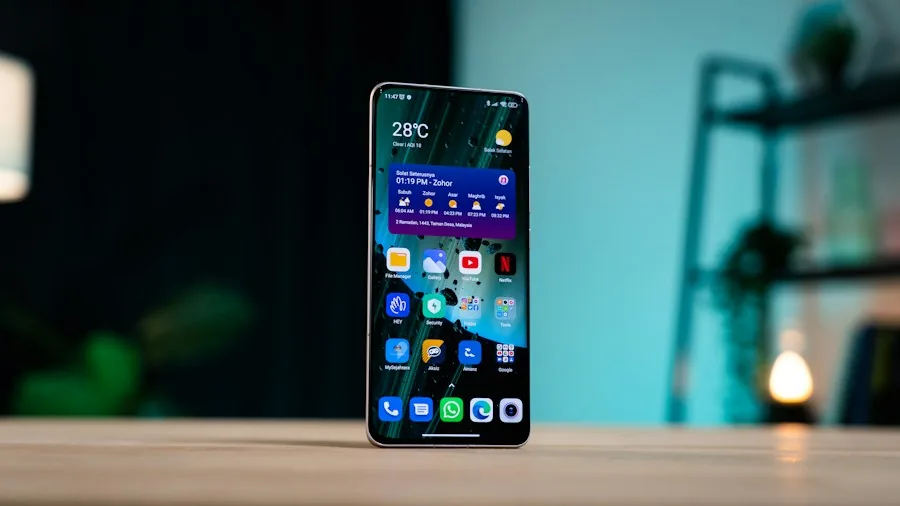
The iPhone 18 Pro Max arrives without the compromises plaguing its competitors. While some observers have been tempted by the new Burgundy color option, the phone’s broader appeal extends well beyond aesthetics.
Apple’s flagship smartphones maintain consistent excellence across camera systems, display technology, and design philosophy. Unlike Samsung’s feature-focused approach that sometimes sacrifices established strengths, Apple typically advances one element without diminishing another. This methodical refinement strategy appeals to buyers exhausted by trade-offs.
The iPhone 18 Pro Max also integrates seamlessly with Apple’s broader ecosystem. Users leveraging smartwatches designed for iPhone and other interconnected devices find genuine value in the unified experience. For those already invested in Apple’s hardware family, switching becomes increasingly attractive when Samsung introduces questionable compromises.
What This Means for Upgrade Decisions
The current flagship market presents unusual dynamics. Premium phones now compete not just on innovation, but on whether manufacturers maintain existing quality while adding new capabilities. Samsung’s latest generation introduces technological advances that, unfortunately, come packaged with meaningful drawbacks.
Buyers evaluating premium wireless earbuds and accessories for iPhone alongside phone selection should consider ecosystem compatibility alongside hardware specifications. A complete package often matters more than individual features in isolation.
For those seeking a telephoto lens without compromise, or a best-in-class display without trade-offs, the Galaxy Z Fold 8 and S26 Ultra present genuine frustrations. The iPhone 18 Pro Max, by maintaining camera versatility and display excellence without sacrificing established strengths, emerges as an appealing alternative for buyers prioritizing reliability and consistency over experimental features.
The smartphone market’s trajectory suggests that feature multiplication without quality preservation increasingly pushes consumers toward competitors who refuse to compromise on fundamentals. Samsung’s approach may attract early adopters excited by new technologies, but mainstream buyers seeking straightforward excellence are noticing the gaps.
About the author
Eleanor covers smartphones for REMOVU, balancing cameras, battery life, and software support against price. She helps readers find the best value as the field shifts with every release.