iPhone 18 Base Model May Get a Radical Redesign: What This Means for Your Next Upgrade
Base iPhone could adopt premium Air design with $999 starting price. Here's what this means for buyers.
 By Eleanor Garcia
Updated September 8, 2026
By Eleanor Garcia
Updated September 8, 2026
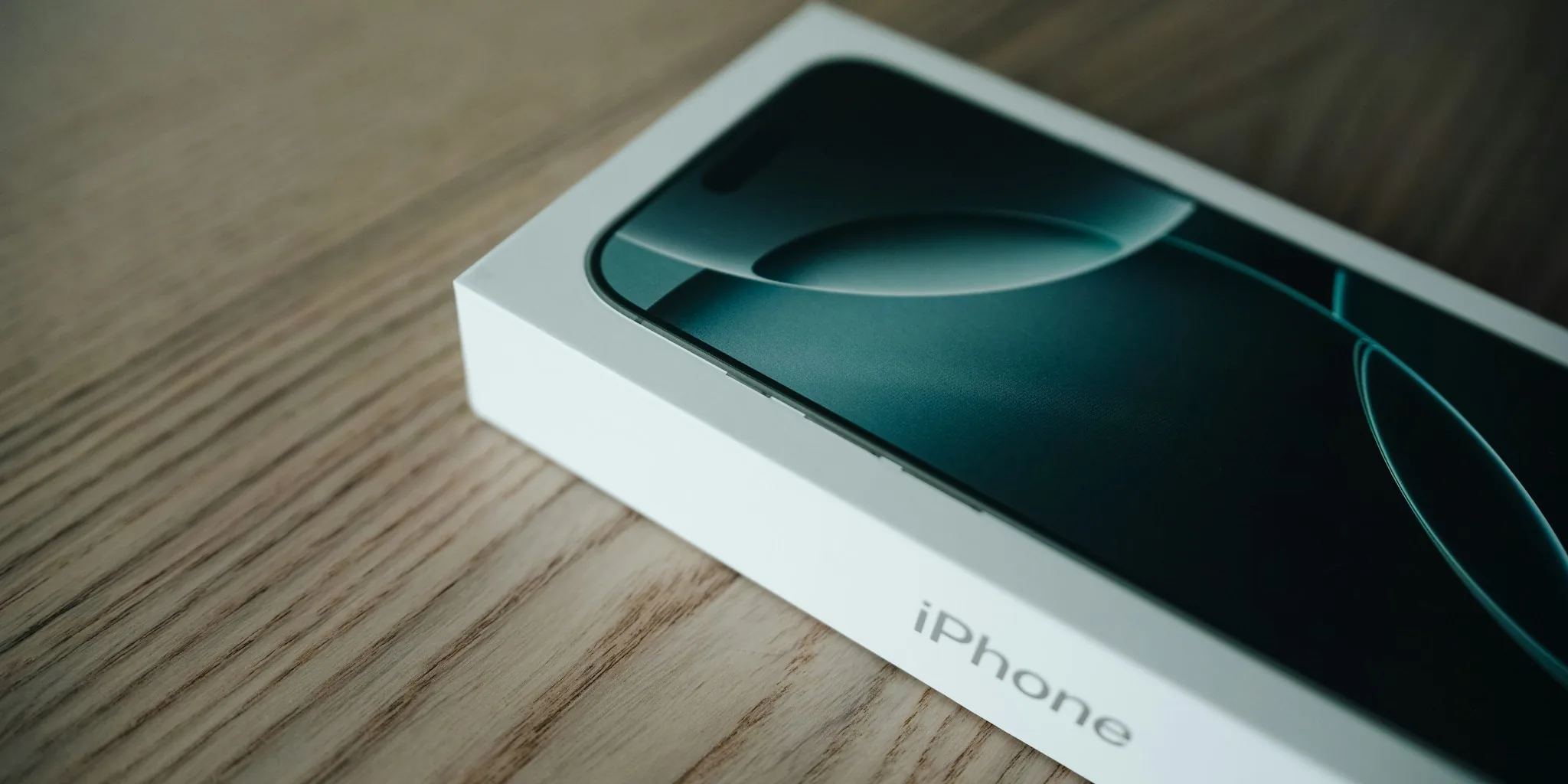
Apple is preparing to shake up its smartphone lineup in a way that could significantly impact your buying decisions. Industry sources suggest that the upcoming base-model iPhone 18 may undergo a transformation far more dramatic than typical annual refreshes, potentially abandoning its familiar form factor in favor of a completely redesigned approach.
The iPhone Air Could Become the New Standard
According to recent reports, Apple is exploring the possibility of repositioning its slimmer iPhone Air design as the foundation for next year’s base iPhone model. Rather than launching a traditional iPhone 18 alongside other variants, the company may rebrand the iPhone Air 2 and designate it as the new entry-level option. This strategic shift would represent one of Apple’s most significant design overhauls in years.
If this scenario plays out, the change would come with a notable price adjustment. The new base iPhone would likely start at $999, marking a $200 increase from the current standard iPhone pricing. This represents a substantial jump for consumers accustomed to more accessible entry points into Apple’s smartphone ecosystem.
Apple Has Done This Before
This wouldn’t be Apple’s first time elevating a premium design into its default position. When the iPhone X launched in 2017 as a $999 flagship, it existed alongside the more affordable iPhone 8. Within a year, Apple discontinued the older design and introduced the iPhone XR as a more budget-conscious option while maintaining the newer aesthetic across its lineup. The company demonstrated a clear willingness to reshape its product hierarchy based on design philosophy.
Leaker Early Apple initially floated this possibility on social media, noting that the company is “exploring the idea” of this consolidation. However, reliability questions surround this particular source, as the account has limited established track record. Earlier predictions from more credible leakers have pointed to the existence of separate iPhone 18 and iPhone 18e models alongside an iPhone Air 2, suggesting the landscape remains uncertain.
Why Consumers Are Skeptical
The reception to this potential shift has been overwhelmingly negative among consumers. Current iPhone Air adopters and reviewers highlight several trade-offs that would concern mainstream users if this design became mandatory. The Air’s slim profile comes with compromises: a single rear camera instead of the dual setup most users expect, reduced battery capacity, and a mono speaker configuration rather than stereo audio.
Perhaps most significantly, the iPhone Air represents Apple’s weakest seller in its current lineup, while the standard iPhone 17 remains the company’s bestselling model. This gap in consumer preference suggests that forcing customers into a pricier, feature-limited design could backfire commercially. The $200 price premium associated with moving to Air-based architecture would be difficult to justify for many shoppers, particularly in an economy where budget consciousness remains elevated.
Supply Chain Realities May Prevent This Change
Despite the leaked rumor, several factors make this transition unlikely to occur as soon as spring 2027. The smartphone industry currently faces ongoing memory chip pricing pressures and broader supply chain complications. In this environment, Apple would be motivated to maintain production processes already established and optimized for cost efficiency rather than retooling its entire base-model manufacturing.
Moreover, the Air design would require significant technical improvements before it could reasonably replace the current base model. Beyond the camera and battery limitations, thermal management presents a more serious concern that could affect device longevity over time. These upgrades would add development costs and complexity precisely when Apple might prefer stability.
What This Means for Shoppers Right Now

If you’re considering your next smartwatch for iPhone purchase, the immediate message is clear: don’t delay if you prefer traditional base-model iPhone pricing and features. The iPhone 17 remains widely available and represents the established standard for entry-level buyers. Historical patterns suggest that any major redesign wouldn’t affect consumers until at least mid-2027.
For those who prioritize battery life, camera quality, and dual-speaker audio, the current generation provides excellent value before any potential lineup restructuring. Meanwhile, the iPhone 18 Pro models launching this September will deliver the professional-grade features and standard design language consumers have come to expect from flagship devices.
The Future of iPhone Design Philosophy
Regardless of whether this specific rumor materializes, it highlights Apple’s ongoing evaluation of how to position its product categories. The company clearly recognizes the iPhone Air’s aesthetic appeal and understands that slim, premium design eventually trickles down to mass-market devices. The question isn’t whether this design language will eventually become standard, but rather the timeline and implementation approach.
For now, treat this as speculation worth monitoring rather than concrete news. Apple’s actual announcements at this autumn’s event will provide clarity on iPhone 18 Pro capabilities, and official information about base-model variants should emerge well before any spring launch window. In the meantime, evaluate your current device’s performance and decide whether you need an upgrade now or can afford to wait for more definitive information about next year’s options.
Smart shoppers should track official Apple communications and established industry sources as new information becomes available, ensuring you make a purchasing decision aligned with both your budget and your feature priorities.
About the author
Eleanor covers smartphones for REMOVU, balancing cameras, battery life, and software support against price. She helps readers find the best value as the field shifts with every release.