Intel Raptor Lake Next CPUs Coming in 2027: What Motherboard Owners Should Know
New Raptor Lake Next processors will work with existing boards, keeping DDR4 support alive for budget builders.
 By Ken Mendoza
Updated October 9, 2026
By Ken Mendoza
Updated October 9, 2026
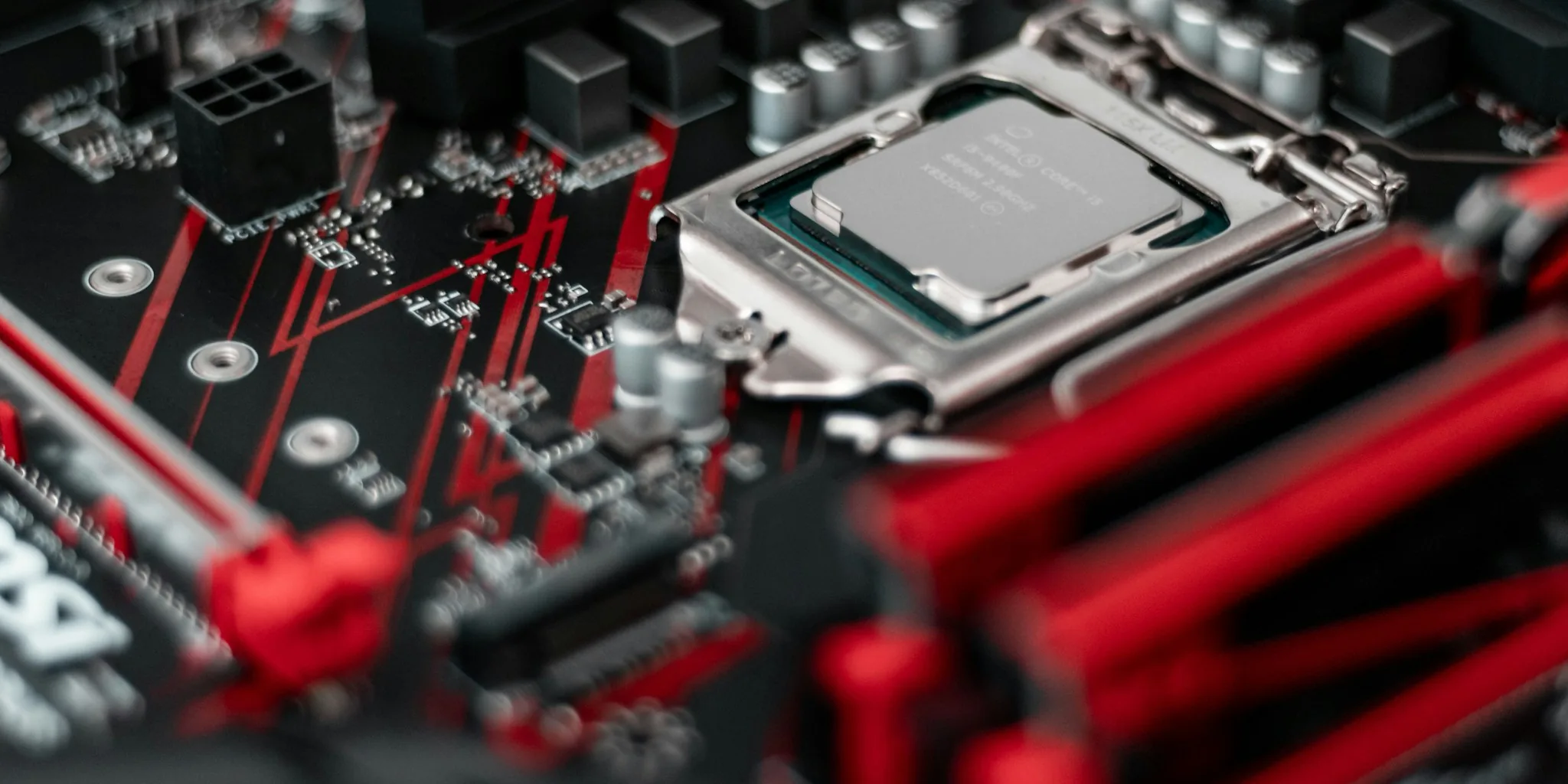
Intel is preparing to extend the life of the LGA 1700 socket platform with a new generation of processors expected to arrive in early 2027. According to recent firmware updates from Gigabyte, the tech giant is backing up this commitment by enabling support for upcoming chips across a broad range of existing motherboards, giving millions of current users a clear upgrade path without the need for a complete system overhaul.
What the Firmware Update Reveals
Gigabyte has announced a BIOS update rollout targeting its B760 and H610 motherboard families, confirming that Intel’s next-generation processors will maintain compatibility with the LGA 1700 socket. This decision signals a significant commitment to platform longevity, allowing owners of these boards to upgrade their CPUs simply by flashing the latest firmware, then swapping in new silicon without replacing their motherboards.
The most compelling aspect of this announcement is the dual support for both DDR4 and DDR5 memory configurations. As PC component prices have fluctuated, DDR4 memory has become an increasingly attractive option for budget-conscious builders. By maintaining compatibility with DDR4 motherboards, Intel is acknowledging that many users prefer to keep their existing memory and avoid the additional cost of transitioning to DDR5 systems.
Platform Continuity and Cost Savings for Shoppers

For consumers, this development represents meaningful savings potential. Rather than investing in a completely new platform with a different socket, DDR5 memory, and a new motherboard, existing system owners will have the flexibility to reuse their current components. This approach directly addresses rising memory costs that have made PC upgrades more expensive over the past two years.
Intel’s strategy here follows comments from the company’s leadership about the future of LGA 1700. Robert Hallock, Intel’s VP overseeing the enthusiast channel, previously stated that the platform remains viable and that the company plans to maintain DDR4 support as memory pricing normalizes. This new BIOS update puts those words into concrete action.
One important caveat: Gigabyte’s compatibility announcement does not extend to Z690, Z790, or B660 motherboards, despite those boards also featuring the LGA 1700 socket. This selective approach suggests that the upcoming processors may have specific platform requirements that limit backward compatibility across the entire socket ecosystem.
What to Expect from the Next Generation
While Intel has not officially disclosed specifications or pricing for these processors, industry sources suggest the lineup will follow a Core 200 naming convention, spanning Core 3, Core 5, and Core 7 tiers. According to available specifications, the range could include models with configurations ranging from entry-level four-core designs up to 20-core processors optimized for different performance levels and power budgets.
This is likely to be Intel’s third refresh of the Raptor Lake architecture on the LGA 1700 platform, which debuted with 13th-generation Core processors in 2022. The continued evolution of this architecture demonstrates that Intel sees value in extending the life cycle of proven designs rather than forcing users onto new platforms with each generation.
Implications for Your Next Upgrade
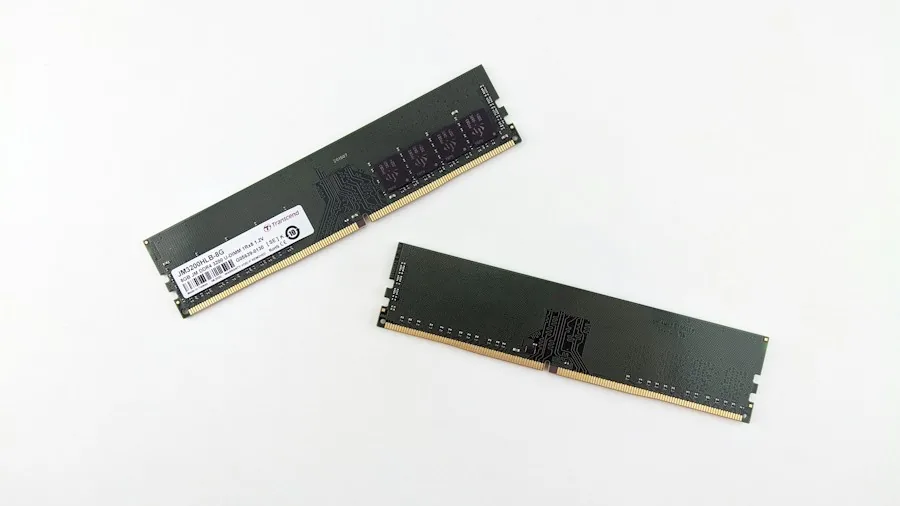
If you currently own a B760 or H610 motherboard, this announcement essentially guarantees that your platform investment will remain relevant through 2027 and beyond. For those still running older DDR4-based systems, this opens up a credible mid-cycle upgrade path that avoids the expense of a complete rebuild.
Builders considering their next system should factor in this information when making platform decisions. Choosing a motherboard that aligns with Intel’s upgrade roadmap could extend your system’s functional lifespan and provide better value over time. Those looking at motherboards under $200 will find that current B760 and H610 models may become even more attractive once next-generation processor support arrives.
The timing also matters. Early 2027 is still roughly a year away, so immediate upgrades remain focused on current-generation hardware. However, for users planning PC builds in late 2026 or early 2027, this roadmap suggests waiting to take advantage of the new processor options while using existing board investments more efficiently.
The Broader Picture
This announcement reflects a market shift toward platform sustainability. Rather than the aggressive socket changes that characterized previous processor generations, Intel is demonstrating a willingness to extend platform support when component prices are elevated and users express demand for cost-effective upgrade paths. For budget-conscious shoppers and enthusiasts managing PC projects, this represents a meaningful change in how the company thinks about backward compatibility and user value.
About the author
Ken covers motherboards for REMOVU, comparing features, power delivery, and value across sockets. He helps builders pick a solid foundation with room to upgrade.