Insta360 Interchangeable Lens Mirrorless Camera Rumors: What Shoppers Should Know
Leaked footage shows alleged Insta360 mirrorless camera designs, but experts spot major red flags.
 By Lawrence Hale
Updated October 5, 2026
By Lawrence Hale
Updated October 5, 2026

Social media buzz has erupted around leaked footage suggesting that action camera maker Insta360 is developing interchangeable lens mirrorless cameras. A popular YouTuber recently shared a video claiming to show two prototype designs expected to debut at a major photography trade show in early 2027. For potential buyers curious about the future of action camera technology, understanding what is real versus what remains speculation matters significantly.
The Rumors and Initial Claims
The circulating video purports to showcase two distinct camera designs featuring removable lenses, suggesting an official unveiling approximately five months away. This aligns with longstanding whispers within photography communities that Insta360 has been researching interchangeable lens options. Various industry observers have previously speculated about the company potentially adopting the Micro Four Thirds mounting system, a standard used across several mirrorless and DSLR cameras from established manufacturers.
Red Flags in the Leaked Footage

Camera industry experts who examined the video in detail have identified numerous concerns that cast doubt on its authenticity. The lens mounting mechanism shown in the first camera bears striking similarities to Sony’s E-mount system, including identical pogo pin configurations. This level of replication raises questions about whether the footage genuinely represents Insta360’s development work or relies on artificial generation.
Beyond the lens mount, the overall camera body design lacks the distinctive visual character associated with Insta360’s established product lineup. Instead, the proportions and styling appear to borrow heavily from existing mirrorless cameras from Sony and Canon, without demonstrating the innovative aesthetic that typically defines new Insta360 releases. The button placement, icon arrangements, and general form factor all feel generic rather than purposefully engineered.
Technical Inconsistencies
The second camera in the video presents even more questionable elements. It appears to be a modified version of Insta360’s existing Ace Pro 2 model, retrofitted with a Micro Four Thirds lens mount. Such a modification raises practical concerns: a traditional MFT mount would likely protrude awkwardly from the camera body, potentially interfering with the display screen and compromising usability. This design approach contradicts the carefully considered form factors that action camera manufacturers typically develop.
Animation quality within the footage also draws scrutiny. The text animation around the lens rim exhibits unusual movement patterns that differ from how genuine product renders typically behave. These visual artifacts suggest digital manipulation rather than authentic prototype documentation.
What Industry Leaders Are Actually Saying
Max Richter, co-founder of Insta360, has publicly declined to dismiss the possibility that his company is exploring interchangeable lens designs. However, his notably careful response avoided confirming any specific development projects. When pressed about the company’s established partnerships, particularly with Leica on models like the Luna Ultra, Richter emphasized that those collaborations face no concerns. This diplomatic response neither validates nor entirely refutes the leaked video claims.
The Competitive Context
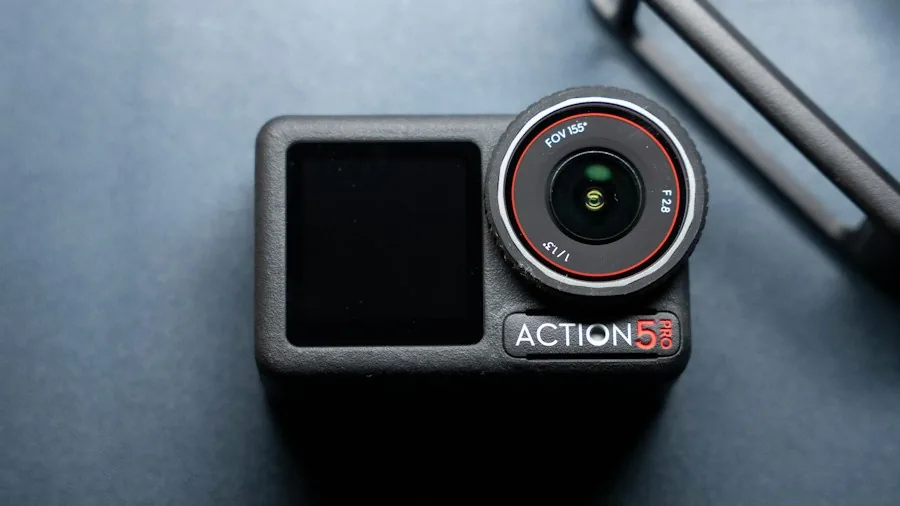
The timing of these rumors coincides with renewed energy in the action camera market. GoPro recently launched the Mission Pro ILS, generating enthusiasm among consumers seeking advanced recording capabilities. This competitive pressure provides a logical reason for Insta360 to investigate new product categories, including mirrorless camera technology. Staying relevant in a competitive segment demands innovation beyond existing action camera design conventions.
However, GoPro’s own lens mounting solution reveals the engineering challenges involved. The Mission Pro ILS features an MFT mount that creates design compromises: the mount protrudes from one side of the camera body while obstructing the rear screen from another angle. Some observers have suggested GoPro prioritized generating conversation over creating a genuinely practical product, highlighting how complex these interchangeable lens integrations truly are.
What This Means for Shoppers Now
Until official announcements emerge directly from Insta360, treating these rumors as unconfirmed speculation remains the prudent approach. The leaked video contains enough technical inconsistencies and design oddities that educated skepticism is warranted. Buyers currently shopping for action cameras or mirrorless models should base purchasing decisions on confirmed products with established availability and pricing, not on unverified prototype claims.
If Insta360 does eventually announce an interchangeable lens camera, the company would need to solve significant engineering problems evident in competitor implementations. A truly compelling design would require either a novel mounting system or a substantially reimagined camera body. Any legitimate product launch would likely differ considerably from the footage presently circulating online.
For now, shoppers should monitor official channels from Insta360 directly while viewing leaked footage with considerable skepticism. The photography market evolves rapidly, and new technologies do eventually arrive, but they typically debut through formal announcements rather than suspicious viral videos.
About the author
Lawrence covers mirrorless and DSLR cameras for REMOVU, weighing image quality, autofocus, and lens ecosystems. He helps photographers choose a body they can grow with.