IFA 2026 Smartwatch News: The Mobility Shift That Changes What Brands Are Building
The biggest trend at IFA 2026 wasn't a smartwatch at all, but a major industry pivot to personal mobility.
 By Kristen Jennings
Updated September 5, 2026
By Kristen Jennings
Updated September 5, 2026

The IFA 2026 technology conference in Berlin delivered plenty of news, including new smartwatches like the Huawei Watch D3 with integrated blood pressure monitoring. However, the most significant trend at the show tells a much larger story about where consumer tech is headed, and what it means for shoppers watching the wearable market evolve.
This year, IFA made a deliberate pivot toward what organizers call mobility, encompassing everything from electric scooters and eBikes to autonomous vehicles and exoskeletons. While smartwatches and traditional wearables remain part of the conversation, the show’s expanded focus signals that major technology brands are investing heavily in personal transportation and connected devices beyond your wrist. Understanding this shift matters because it reflects where companies believe consumer spending and innovation will concentrate over the next few years.
Why the Mobility Trend Matters to Shoppers
For decades, IFA was primarily known for televisions, audio equipment, smart home technology, and occasionally smartwatches and fitness wearables. The show rarely competed with CES as a launchpad for mobile devices. Now that’s changing. CES has gradually transformed into a mobility-focused event, featuring major automotive brands, aircraft demonstrations, and urban transportation innovations. IFA is following a similar path, though with a focus on personal and city mobility rather than large-scale industrial transportation.
This matters because when major trade shows shift their priorities, it reflects actual market demand. Brands wouldn’t commit resources to showcasing mobility products at a traditionally tech-focused conference unless they saw consumer interest and profit potential. The message is clear: companies expect shoppers to care about integrated ecosystems that connect their smartwatch or fitness tracker with electric vehicles, eBikes, scooters, and other movement-related technology.
Which Brands Are Leading the Charge
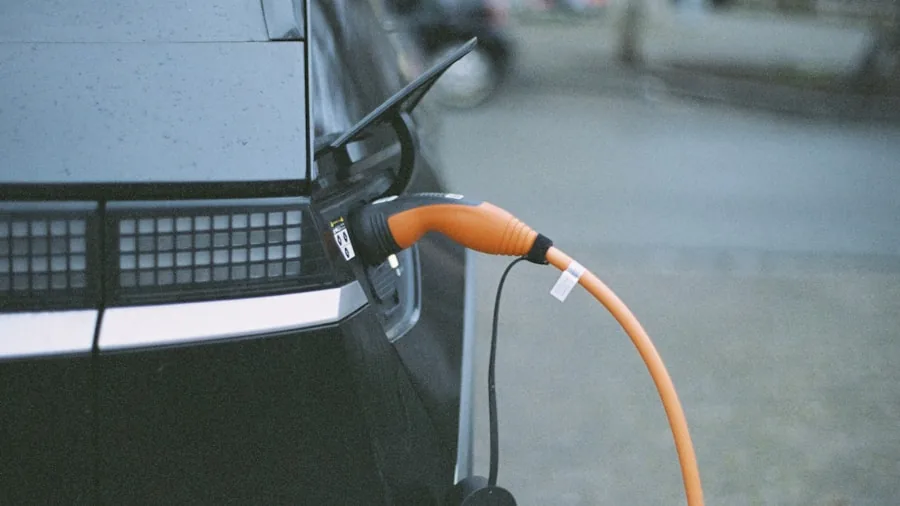
Xiaomi emerged as the most aggressive mobility player at IFA 2026, displaying its SU7 electric car and Vision GT concept while maintaining focus on smart home devices. The company framed this as its Human x Car x Home ecosystem, announced European dealer agreements, launched its Xiaomi Auto website for the region, and confirmed European vehicle availability in 2027. Xiaomi’s approach shows how consumer tech companies are building connected platforms where your smartwatch, phone, home devices, and transportation all communicate with each other.
Beyond vehicles, multiple brands revealed personal mobility products. Sharp displayed its largest eBike lineup yet, spanning city, cargo, and folding models, while also discussing semi-solid-state batteries for extended range and reduced weight. Acer introduced the Predator ES Thunder Pro electric scooter for early 2025 release. Razer, the gaming-focused brand, partnered with Niu Technologies on a special edition electric scooter. Even companies primarily known for laptops and gaming peripherals are evaluating the personal mobility space.
Exoskeletons also attracted significant attention, with HyperShell revealing its Halo all-terrain full-leg model, Ascentiz showing a modular design, and AlpWalk presenting a hip-assistive version. These wearable robotic devices represent another category where fitness, health tracking, and personal mobility intersect, creating crossover potential with smartwatches under $200 and other wearables that monitor movement and wellness data.
What This Means for Wearable Buyers
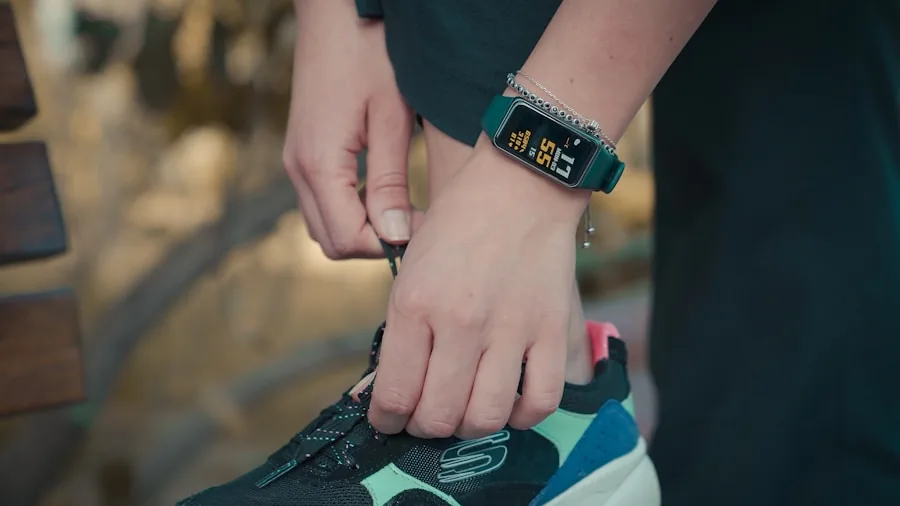
The mobility trend creates opportunities for smartwatch and fitness tracker users. As brands build interconnected ecosystems, your wearable device could eventually offer richer integration with eBikes, scooters, and vehicles. Imagine a smartwatch that syncs directly with an electric vehicle’s navigation system, displays real-time eBike battery status, or adjusts exoskeleton assistance based on your activity metrics. These integrations are becoming realistic as companies see value in seamless, multi-device experiences.
For shoppers evaluating wearables now, this trend suggests considering brands that are also investing in broader mobility and connected home platforms. Devices from companies building entire ecosystems may offer longer usability windows and more useful features as new products launch and integrate with existing wearables.
Diverse Product Landscape Ahead
IFA 2026 wasn’t exclusively about mobility innovation. The show still featured smartphone announcements from Poco, Tecno, and Xiaomi, plus interesting launches from other brands. However, the expanded mobility presence means the conference is becoming more varied and less phone-focused than it has been since before 2020. The organizers even reintroduced the Mobility Test Track, allowing attendees to evaluate electric scooters, eBikes, and other personal mobility devices in realistic urban conditions, similar to vehicle evaluation areas at CES.
For consumer product shoppers, this diversification is positive. Trade shows that cover multiple categories encourage cross-category innovation and integration. A smartwatch company might implement charging systems inspired by eBike technology, while an eBike manufacturer might adopt wearable sensors from smartwatch makers. The mobility shift at IFA 2026 signals that we’ll see more of these cross-category innovations reaching store shelves, giving consumers smartwatches with enhanced capabilities and broader device ecosystems to choose from.
As the consumer tech landscape continues expanding beyond phones and traditional wearables, staying informed about industry trends helps shoppers make smarter purchasing decisions aligned with the connected future brands are building.
About the author
Kristen writes about smartwatches for REMOVU, comparing features, battery life, and ecosystem fit. She helps readers tie together health tracking, notifications, and apps on the right watch.