Honor Reveals 12000 mAh Battery Phone What Shoppers Should Know About Battery Competition
A new 12,000 mAh battery phone from Honor could deliver three days of battery life per charge.
 By Eleanor Garcia
Updated August 15, 2026
By Eleanor Garcia
Updated August 15, 2026
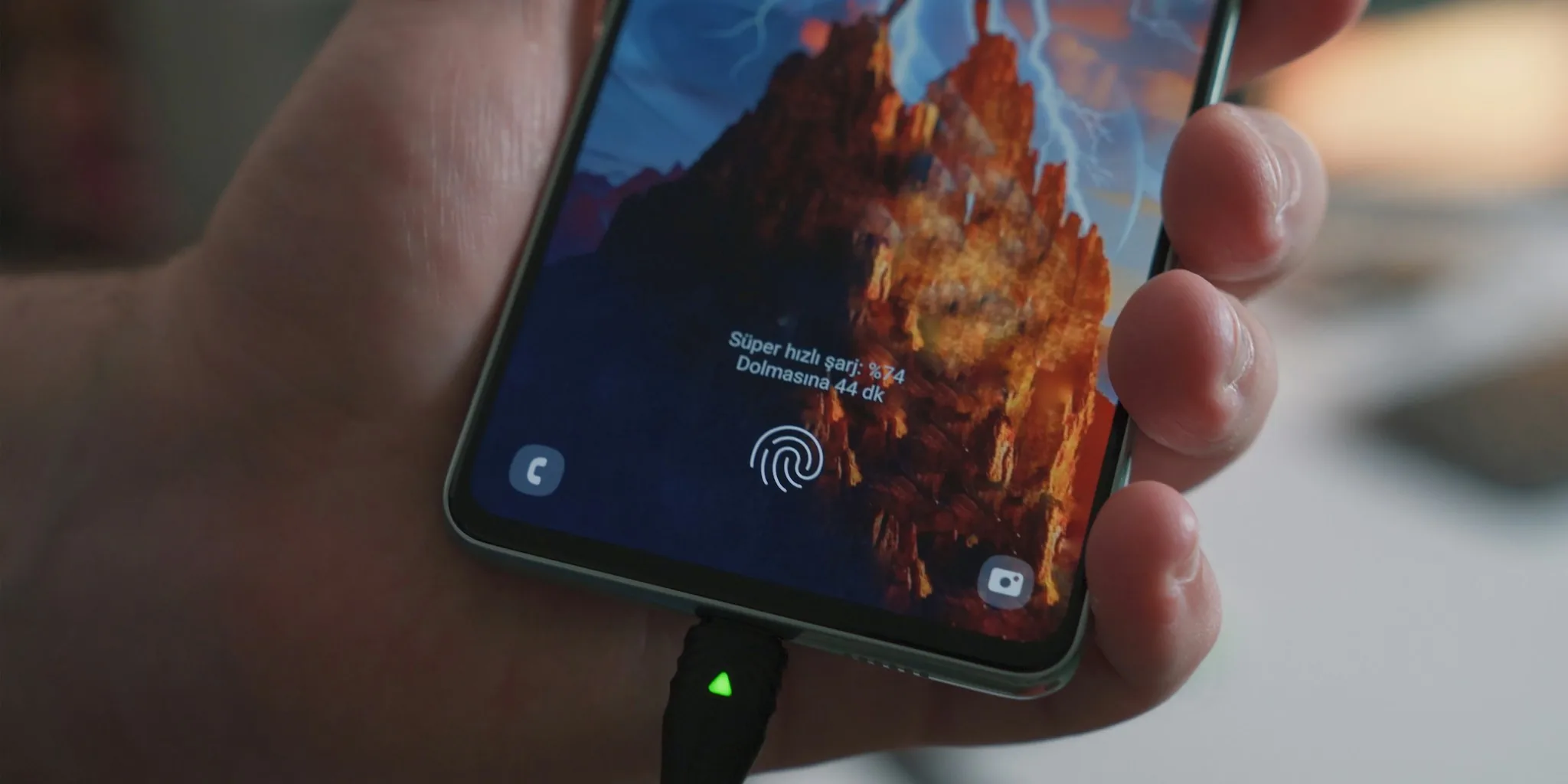
The smartphone battery race just reached a new milestone. Honor, the Chinese smartphone manufacturer, has begun production trials on a device featuring a massive 12,000 mAh battery, according to industry sources. For consumers accustomed to charging their phones daily, this development raises important questions about what’s possible and when these advances might reach the broader market.
The 12000 mAh Battery Breakthrough
Honor has entered trial production on a battery with a rated capacity of 11,790 mAh that achieves a typical value of 12,000 mAh. This represents a significant step forward in mobile energy density. While the specific device receiving this battery remains unconfirmed, evidence suggests it could be part of the upcoming Honor Win 2 series, potentially the Honor Win Turbo 2 model.
The Honor Win series previously launched with 10,000 mAh batteries, and the current capacity champion, the Honor X80 Pro Max, features 11,000 mAh. A jump to 12,000 mAh demonstrates the manufacturer’s commitment to pushing boundaries in battery technology.
What This Means for Your Daily Charging Routine
A 12,000 mAh battery phone could deliver up to three full days of usage on a single charge, even without extensive optimization. For perspective, that’s a dramatic shift from the daily charging cycle most smartphone owners currently endure. Imagine charging twice weekly instead of nightly, reclaiming precious time and reducing wear on your device’s battery health over time.
This capability stems from Honor’s advancement in silicon-carbon battery technology, a sector where the company currently leads. Traditional lithium-ion batteries dominate mainstream devices, but silicon-carbon variants offer improved energy density and longevity.
How This Compares to iPhone and Galaxy Standards
Apple’s iPhone and Samsung’s Galaxy phones remain trapped in the daily charge cycle that consumers have grown frustrated with. Neither manufacturer has introduced silicon-carbon battery technology in their flagship devices, despite its proven benefits. Samsung has committed to solid-state battery development but doesn’t expect consumer devices until the second half of 2027, beginning with wearables like the Galaxy Watch and Galaxy Ring.
The reality is stark: consumers with current iPhone and Galaxy devices are charging more frequently than necessary given available technology. Honor’s approach demonstrates what’s technically feasible today, creating pressure for other manufacturers to innovate faster.
The Availability Question
There’s an important caveat for US shoppers. Honor’s products, including the anticipated Win 2 series with this new battery, primarily launch in China. International availability remains uncertain, and these devices typically don’t reach Western markets quickly or consistently. This means the 12,000 mAh breakthrough may not directly benefit American consumers in the near term.
However, technological advances in one market eventually influence others. If Honor demonstrates reliable performance and consumer satisfaction with ultra-high-capacity batteries, competitors will be forced to respond. Battery technology doesn’t remain exclusive to one region indefinitely.
Why We Need Bigger Batteries Now
The case for massive batteries extends beyond convenience. Larger capacity cells enable devices to maintain health over extended use cycles. A phone that requires charging twice weekly experiences fewer complete discharge cycles annually compared to daily-charged devices, potentially extending overall lifespan and maintaining performance stability longer.
Furthermore, high-capacity batteries support emerging use cases like foldable phones, augmented reality applications, and always-on computing features that demand sustained power. As wireless earbuds and smartwatches become more central to the mobile ecosystem, having a primary device that lasts multiple days ensures better ecosystem integration and user experience.
What Comes Next
Honor’s 12,000 mAh battery represents a stepping stone rather than a ceiling. The company reportedly explored 14,000 mAh possibilities for future Win models. As manufacturing processes improve and battery chemistry advances, even larger capacities become feasible without proportionally increasing device thickness or weight.
The competitive landscape is shifting. While American manufacturers deliberate over incremental improvements and years-away innovations, Honor is already moving to production. This gap creates both pressure and opportunity for iPhone and Galaxy competitors to accelerate their development timelines.
For shoppers, the message is clear: demand for extended battery life isn’t declining, and manufacturers are capable of delivering it. The question isn’t whether 12,000 mAh phones can work, it’s when premium devices from mainstream brands will make them standard rather than exceptional. Until then, consumers frustrated with daily charging cycles may need to explore alternative brands or accept the status quo until competition forces change.
About the author
Eleanor covers smartphones for REMOVU, balancing cameras, battery life, and software support against price. She helps readers find the best value as the field shifts with every release.