Handheld Gaming Prices Surge as Supply Shortages Drive Demand Through the Roof
Supply constraints and AI chip demand are driving handheld gaming prices sky-high. Here's what savvy shoppers need to know.
 By Levi Carlson
Updated August 18, 2026
By Levi Carlson
Updated August 18, 2026
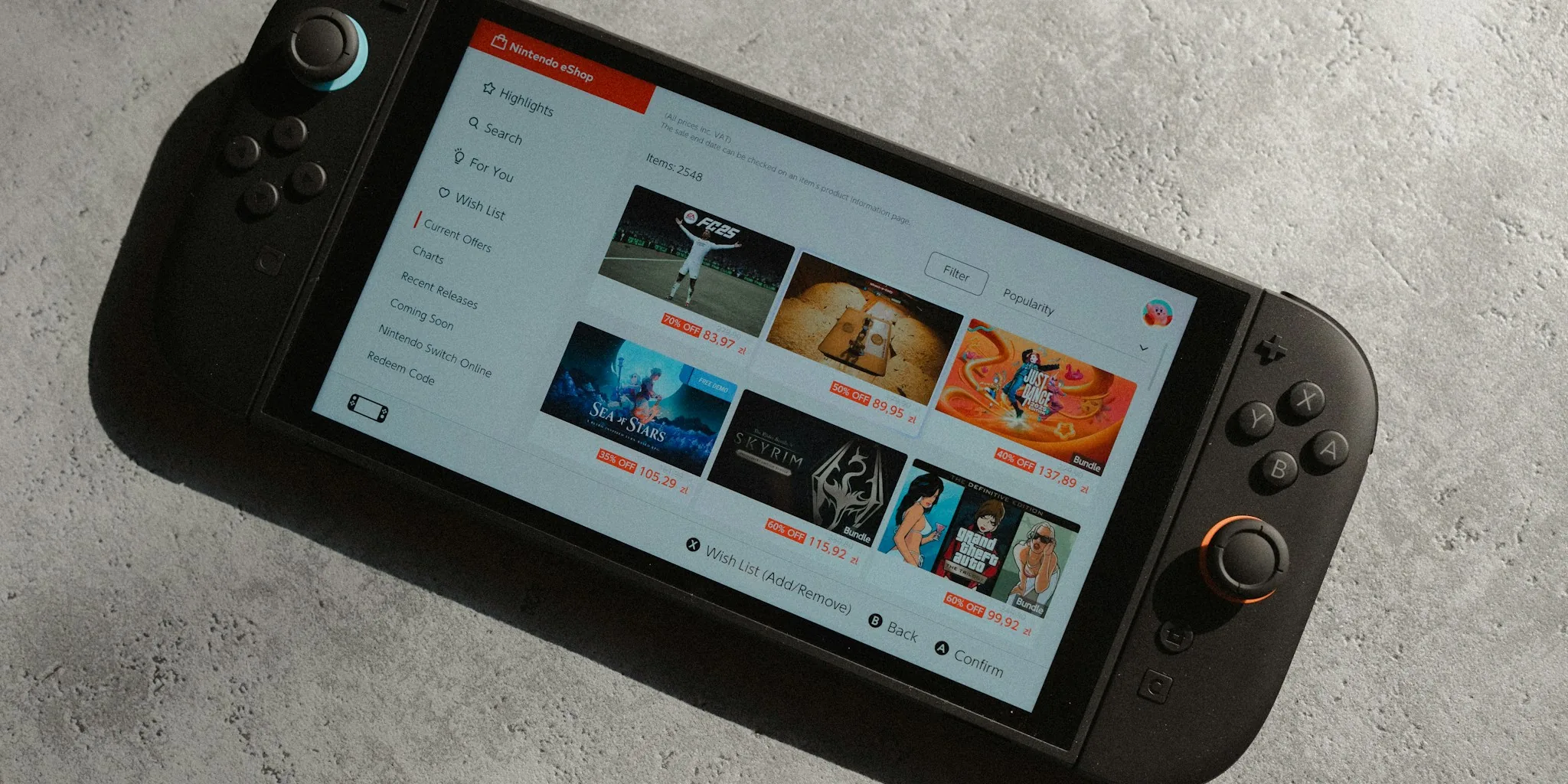
The handheld gaming market is experiencing a perfect storm of rising prices and limited availability, creating a challenging situation for shoppers trying to find the latest portable gaming devices. What once seemed like an affordable alternative to traditional gaming has transformed into a luxury category, with premium models now commanding prices that rival full-size laptops.
The Price Shock Behind the Shortage
MSI’s latest handheld gaming PC, the Claw 8 EX AI+, exemplifies this trend. The device already carries a premium retail price of $1,799, making it one of the most expensive portable gaming options on the market. However, the real concern emerges when you look at secondary market listings. On resale platforms, the same device is selling for $2,300 to $2,600, representing markups of $500 to $800 above the manufacturer’s suggested retail price. Surprisingly, these overpriced units are actually moving, with multiple sellers reporting rapid sellouts of their limited inventory.
The root cause behind these inflated prices ties directly to global supply chain constraints. Component shortages, particularly in RAM and NAND storage, stem from the intense demand for AI computing resources. These same components that power artificial intelligence development are being diverted away from consumer electronics manufacturing, forcing handheld makers to either reduce production or absorb higher costs. MSI’s decision to increase the Claw’s price by $500 compared to earlier models reflects this reality, and the tight supply only intensifies the secondary market frenzy.
Stock Availability Remains Critically Low
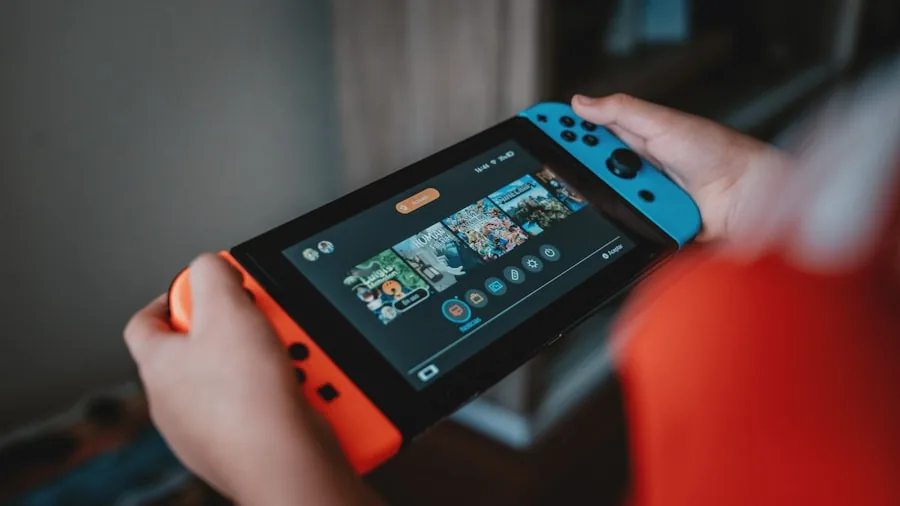
Despite selling through multiple major retailers including Best Buy, Amazon, Newegg, and B&H Photo, the Claw 8 EX AI+ typically sells out within 24 hours of restocking. Weeks after launch, these devices remain perpetually out of stock across authorized retailers, forcing eager shoppers to turn to secondary markets where prices skyrocket. This pattern isn’t isolated to MSI’s offering, either. Lenovo’s Legion Go 2, another premium handheld with an impressive 8.8-inch OLED display, has suffered similar inventory challenges, driving some units to sell for $650 above retail price. The situation became so dire that Lenovo temporarily removed the device from its own website despite strong reviews and obvious consumer demand.
Not all manufacturers face these constraints equally. ASUS has managed to maintain reasonable stock levels of its ROG Ally lineup, keeping the ROG Xbox Ally at $599.99 and the premium ROG Xbox Ally X at $999.99 without significant price increases. The company’s ability to keep inventory flowing demonstrates that manufacturers with more diversified supply chains or better forecasting capabilities can weather the current crisis more effectively.
What This Means for Buyers

The current handheld gaming landscape presents several important considerations for consumers. First, patience may be necessary if you want to avoid paying premium markups. Waiting for official stock replenishment is almost always cheaper than buying from resellers, even if that wait extends several weeks. Second, value-oriented alternatives still exist for consumers with tighter budgets. The ASUS ROG Ally line offers genuine portable gaming power at reasonable prices without the extreme supply constraints affecting competing products.
Price thresholds matter significantly in this market. The jump from $1,799 to $2,600 represents a crossing point that most casual gamers cannot justify, regardless of performance improvements. The Claw 8 EX AI+ does deliver superior performance compared to devices using AMD’s Zen 2 architecture, and Intel XeSS upscaling technology genuinely enhances the gaming experience. However, performance advantages must be weighed against dramatically higher costs and the frustration of unavailability.
Upcoming releases may shift the competitive landscape. New OLED versions of the ROG Ally, including an upcoming anniversary edition with a larger screen, could provide alternatives that balance performance with availability and price. Budget-conscious shoppers should also research older generation handheld gaming devices, which often deliver solid gaming experiences at fraction of current flagship prices.
The Bigger Picture
This shortage and price surge reflects broader tensions in the technology industry. The race to develop and deploy artificial intelligence has created unprecedented demand for semiconductors, placing consumer electronics manufacturers in a difficult position. Until component supply improves or AI demand moderates, handheld gaming prices will likely remain elevated.
For shoppers weighing a purchase, the current environment suggests prioritizing widespread availability over chasing limited inventory. Devices that retailers can consistently stock, even if they offer slightly less cutting-edge performance, may provide better long-term value and reliability than hunting for impossible-to-find premium models at inflated prices.
About the author
Levi writes about handheld gaming consoles for REMOVU, weighing processing power, battery life, and library depth. He helps players pick a handheld that fits both their backlog and their commute.