GTA V Now Playable on Nintendo Switch: What Shoppers Need to Know About the Unofficial Port
Developers achieve the impossible, bringing a major open-world game to the Switch.
 By Serenity Richards
Updated September 2, 2026
By Serenity Richards
Updated September 2, 2026
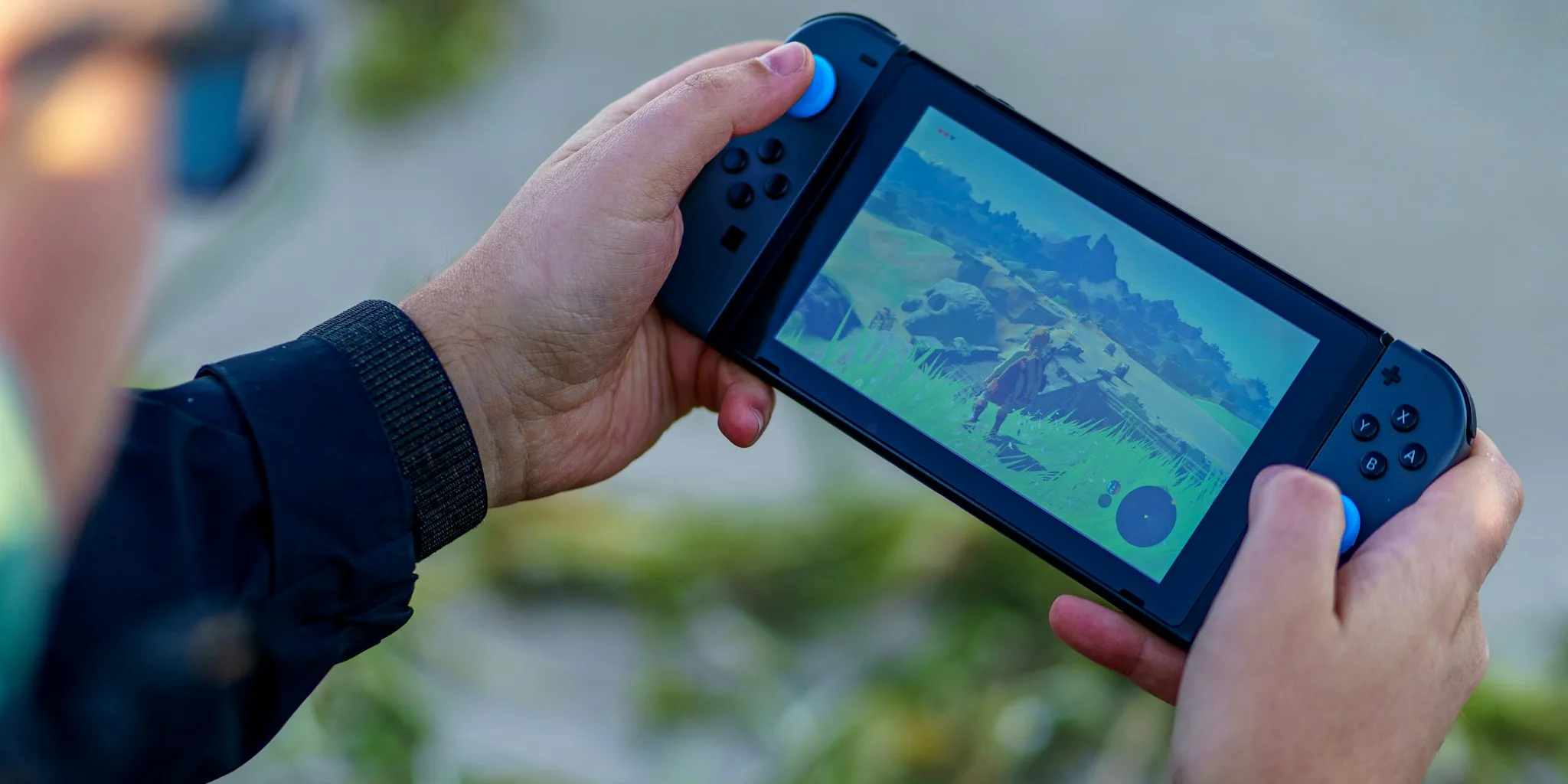
After more than a decade of waiting, Grand Theft Auto V is finally playable on the Nintendo Switch, though not through any official release. A group of independent modders has successfully created a working port of the open-world game that runs natively on the handheld console. This breakthrough has sparked conversation about what becomes possible when dedicated developers take on major games that publishers have never brought to Nintendo hardware.
How the GTA V Switch Port Became Real
The port exists because of leaked source code that circulated in 2023. Modders from Paralympics Productions reverse-engineered the game logic and recompiled it for ARM architecture, allowing it to run directly on the Switch’s Tegra X1 processor without emulation. The result is a playable version that occupies roughly 50 gigabytes of storage space. While the original games were released for PlayStation 3 and Xbox 360 in 2013, Rockstar never ported GTA V to the Switch, despite bringing it to newer console generations.
The installation process requires several components working together: a package builder, an asset converter tool, modified configuration files, and a specific folder structure. These tools patch the original game files and construct an executable compatible with Switch’s Horizon operating system. Resources and detailed guides are available through the modding community, though the process does demand technical knowledge. Alternatively, pre-prepared versions circulate on piracy sites, though downloading from such sources carries legal and security risks.
Performance Reality and Overclocking Requirements
Running GTA V on nine-year-old hardware comes with trade-offs. On a standard Switch, the game typically runs between 10 and 25 frames per second depending on your console model and individual hardware variance. To achieve a more stable experience that holds closer to 30 frames per second, the console must be overclocked. This modification increases processor speeds across the CPU, GPU, and memory through tools like sys-clk, which allows users to set different performance profiles for handheld, docked, and charging modes.
Even with overclocking, performance remains variable. During quiet moments with few on-screen characters, the game maintains roughly 30 fps. However, action-heavy sequences, mission gameplay with multiple NPCs, and explosions cause noticeable frame rate dips. The game does not cause excessive heat buildup or battery drain beyond what other demanding titles require. Load times remain reasonable, and save functionality works as expected. Game consoles at this age typically struggle with modern AAA games, so achieving any playable version represents a significant technical accomplishment.
What This Means for Switch Shoppers
For consumers, this unofficial port demonstrates the creative potential of the modding community rather than offering a practical alternative to official gaming options. To run the port, you need a jailbroken Switch with custom firmware, which voids the warranty and carries technical risks. The overclocking requirement introduces thermal stress to aging hardware. More importantly, the port exists in a gray legal area, and using it depends on possessing a legitimate copy of GTA V and navigating complex technical instructions.
The port’s existence does hint at a broader shift in industry dynamics. Rockstar’s approach to Nintendo has evolved, making an official GTA title on future Nintendo hardware more plausible than it seemed years ago. The modding renaissance across handheld gaming, sparked largely by devices like the Steam Deck, continues pushing boundaries. However, this particular project requires technical expertise and comfort with hardware modification that exceeds typical consumer patience or ability.
Why This Port Matters Beyond Gameplay
The technical achievement speaks volumes about what remains possible with determined engineering. The modders had to compress PC-quality assets significantly to fit within the Switch’s 4 gigabytes of memory, then optimize settings like draw distances and particle effects to prevent the console from becoming overwhelmed. The result plays similarly to the original PlayStation 3 and Xbox 360 versions, which is remarkable considering the Switch’s limitations.
Paralympics Productions plans continued optimization patches, with an Android port reportedly in development. The Switch emulation scene is experiencing genuine momentum, with gaming headsets and other accessories supporting an expanding library of playable titles through community effort. While the Switch 2 will almost certainly receive more demanding ports through official channels, this GTA V project proves that creativity and reverse-engineering can bridge gaps between hardware and beloved games.
For the average consumer, the takeaway is this: official ports remain the safest, most straightforward way to expand your game library. However, the dedicated modding community continues proving that major franchises can reach unexpected platforms when passionate developers invest time and skill. Whether Rockstar brings future Grand Theft Auto releases to Nintendo hardware officially remains to be seen, but the door has opened in ways that seemed impossible just weeks ago. For now, shoppers interested in GTA V should stick with officially supported versions available on PlayStation, Xbox, and PC, where the experience is fully optimized and legally straightforward.
About the author
Serenity covers home game consoles for REMOVU, weighing performance, exclusive libraries, and the ecosystem each platform locks you into. She helps players pick the console that fits how and what they play.