Google’s New Fitbit Edge Smartwatch Launches This Month What Buyers Should Know
Google's new Fitbit Edge offers a screen and better tracking without premium smartwatch complexity or price.
 By Katherine Perez
Updated October 4, 2026
By Katherine Perez
Updated October 4, 2026

Google is preparing to release a new wearable device that could reshape how shoppers think about fitness trackers and smartwatches. The upcoming Fitbit Edge will fill a gap in Google’s wearable lineup by offering a display screen without the full complexity or price tag of a traditional smartwatch, giving consumers another meaningful choice in the growing market of activity trackers.
What the Fitbit Edge Offers
The Fitbit Edge represents a middle ground between Google’s existing Fitbit Air and the Pixel Watch family. Unlike the screenless Fitbit Air, the Edge includes a display capable of showing the date, time, and up to three additional data points simultaneously. This screen provides practical information at a glance while keeping the device lightweight and focused on essential functions.
The design features physical buttons positioned along both sides of the wearable. One button will navigate to your apps, while the second provides quick access to settings and features. Early renders suggest the device will come in black, green, and orange colorways, with additional color options likely available at launch. Google is expected to offer a variety of band styles and finishes to match different preferences and occasions.
Unlike many modern smartwatches, the Fitbit Edge will not run Google’s Wear OS platform. Instead, it operates on a proprietary system designed to be simpler and more battery-efficient. The device is expected to deliver up to seven days of battery life on a single charge, a substantial advantage over full-featured smartwatches that typically require daily charging.
Health Tracking and Compatibility
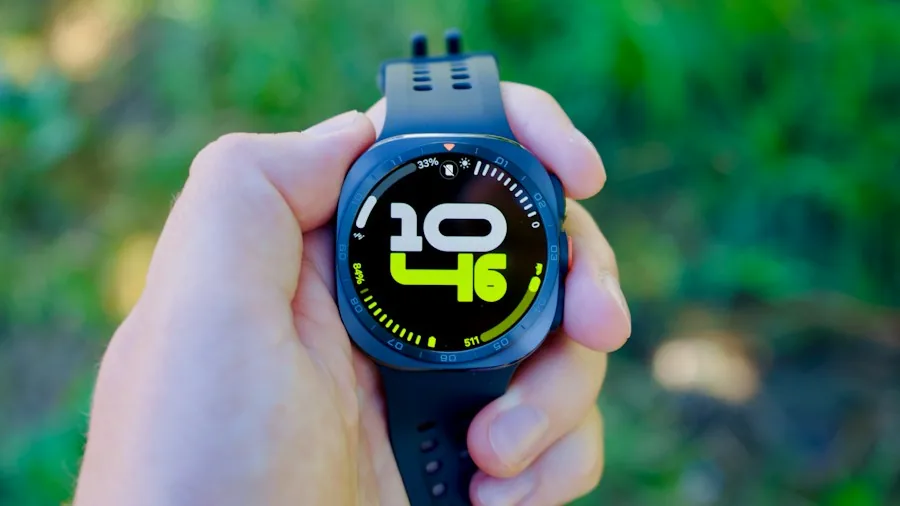
The Fitbit Edge will support a selection of Google applications including Maps, YouTube Music, and Find My Phone. It will also receive Bluetooth notification mirroring, allowing users to see alerts and messages directly on their wrist without constant phone checking.
While complete health tracking specifications remain unconfirmed, the device includes a new sensor arrangement on its back that differs from the Fitbit Air. This suggests the Edge could offer health monitoring capabilities more comparable to the Pixel Watch than to its more affordable sibling. Users can expect features like heart rate monitoring, activity tracking, and sleep analysis, though the full feature set should be announced officially soon.
The Fitbit Edge will function with both Android and iOS devices, making it accessible regardless of which phone platform shoppers prefer. This cross-platform compatibility is important for households with mixed devices or users who may switch phones in the future.
Market Position and Pricing Expectations
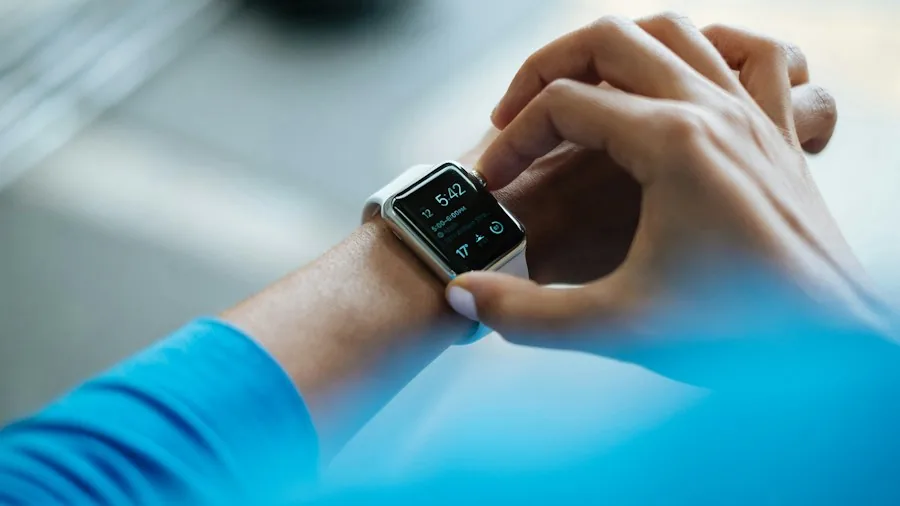
The Fitbit Edge appears designed to replace the aging Fitbit Charge, which debuted in 2023 and is overdue for a refresh. By introducing the Edge, Google can address the demand for a more capable device than the Fitbit Air while keeping costs below premium smartwatch territory.
Industry observers anticipate pricing between $179 and $199, which would position it logically within Google’s smartwatch and fitness tracker portfolio. At that price point, the Edge sits above the $99 Fitbit Air and significantly below the Pixel Watch, creating a natural progression for consumers looking to upgrade their wearable experience without spending premium amounts.
What This Means for Shoppers
The introduction of the Fitbit Edge gives fitness-conscious buyers more options tailored to their needs and budgets. If you want basic tracking without a full smartwatch experience, the Fitbit Air remains an excellent choice. If you need comprehensive features and are willing to spend more, the Pixel Watch delivers advanced capabilities. The Edge serves those in between who want a screen and better health tracking without excessive complexity or cost.
For existing Fitbit users, the Edge offers a reason to upgrade from aging Fitbit Charge devices. The new sensor array suggests improved accuracy and expanded health insights. The longer battery life also appeals to users frustrated with constantly recharging their devices.
Google is expected to announce the Fitbit Edge sometime this month, with availability planned before the holiday shopping season. This timing suggests the company views the device as a major release and important addition to its wearable strategy. Shoppers interested in high-quality wearables should monitor for the official announcement to get complete specifications, features, and availability information.
The Fitbit Edge demonstrates how Google continues refining its wearable ecosystem to serve different customer segments. Rather than forcing everyone toward full-featured smartwatches, the company is building a lineup that acknowledges not everyone needs or wants all those features. For many shoppers, a device with a screen, solid health tracking, and a week of battery life represents the perfect balance of capability and practicality.
About the author
Katherine covers fitness and activity trackers for REMOVU, focusing on sensor accuracy, battery life, and useful daily insights. She helps readers track steps, sleep, and workouts without the bulk of a full smartwatch.