Google Translate’s iPhone Update Brings Live Translation Without Earbuds: What Shoppers Should Know
Live translation without earbuds and background mode now available for iPhone users worldwide.
 By Eleanor Garcia
Updated September 5, 2026
By Eleanor Garcia
Updated September 5, 2026

Google has rolled out a significant update to its Translate app that changes how iPhone users access real-time translation while traveling or communicating across language barriers. The update introduces two powerful features designed to make translation more seamless and practical, especially for travelers and international shoppers.
Listening Mode Now Available on iPhone
Google’s “listening mode” feature, which debuted on Android devices this summer, is now live for iPhone users everywhere. This capability lets you hold your phone next to your ear and receive live audio translations through the speakerphone without requiring wireless earbuds. The feature supports translation between more than 70 languages, making it an invaluable tool for anyone navigating foreign markets, asking directions, or bargaining with local vendors.
For iPhone shoppers who frequently travel internationally, this update eliminates a common pain point: arriving at a destination without your earbuds but still needing to communicate. Whether you’re confirming a hotel reservation in France or negotiating prices at a Colombian market, you can now pull up instant translation simply by holding your phone to your ear. The feature works in natural, near-real-time speed, meaning you won’t experience the frustrating delays that older translation apps delivered.
This feature is particularly useful when you’ve forgotten audio accessories or prefer not to wear them while interacting with locals. Many travelers find that keeping their phone visible and active allows for better face-to-face communication than using hidden earbuds, which can sometimes feel isolating or rude in cultural contexts where direct eye contact and visible engagement matter.
Background Translation Keeps Conversations Going
The second major update enables Live Translate to operate in the background on both Android and iOS devices. This means you can keep your translation active while switching between apps on your phone. The practical benefit is enormous: you can pull up a map to navigate to a restaurant, switch to your banking app to confirm payment methods, or display your hotel booking confirmation on screen, all while maintaining an active translation conversation.
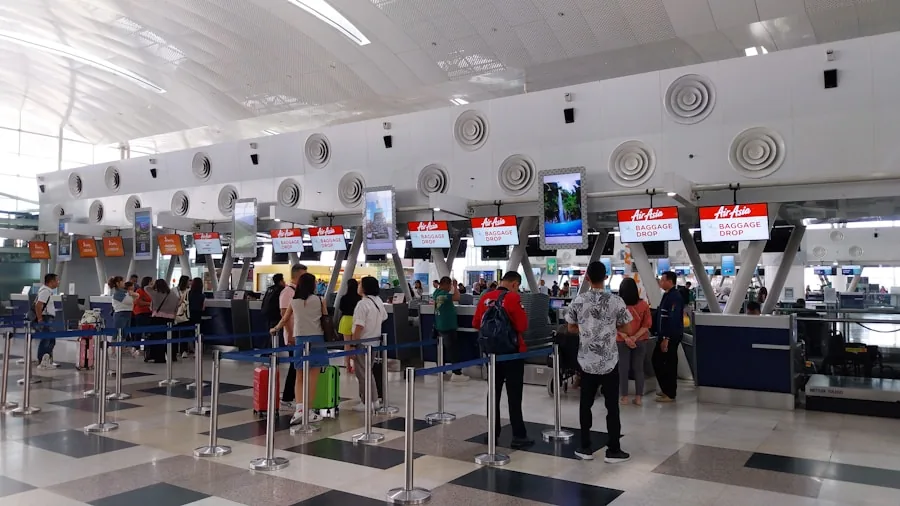
This background capability addresses a real limitation that previous translation tools had. Before this update, iPhone users needed to keep the Google Translate app open and active on their screen at all times, limiting their ability to reference other information during conversations. Now, if you’re at an airport ticketing counter and need to check your flight confirmation while speaking to an agent in a foreign language, you can do so without losing your translation stream.
What This Means for iPhone Shoppers
These updates extend the value proposition of the iPhone as a travel and communication device. When you combine these features with the iPhone’s existing capabilities like offline maps and international payment support, you gain a more capable companion for international commerce and travel. Shoppers planning trips abroad can rely more heavily on their iPhone as a universal translator, reducing the need to purchase or carry additional devices or accessories.
The rollout began September 4, 2026, with both features available immediately for all iOS and Android users worldwide. There’s no staged rollout or regional delays to wait for, meaning if you own an iPhone, you should have access to these features now.
For those who use smartwatches for iPhone, this update complements the broader ecosystem by giving your primary device more translation power, which means you can handle complex conversations without relying solely on wrist-based notifications or responses.
Practical Use Cases for iPhone Users

iPhone owners in retail, hospitality, or international business settings will find these features particularly valuable. Hotel staff can help guests without struggling through language barriers. Retail employees can assist international shoppers more effectively. Travelers can negotiate prices at markets with confidence rather than relying on phrasebooks or guessing.
The feature also benefits immigrants and multicultural communities who regularly code-switch between languages or help family members navigate English-language services. Parents can use it to help their children with homework or school communications, and students can employ it while studying abroad.
Looking Ahead
Google has not announced future enhancements beyond these two features, but the company’s track record suggests continued investment in real-time translation technology. As artificial intelligence advances, we can expect even faster response times and improved accuracy across less commonly spoken languages.
For iPhone users who travel frequently, work internationally, or live in multilingual households, this update represents a meaningful step forward in breaking down communication barriers. The combination of listening mode and background translation creates a more natural, flexible experience than previous mobile translation approaches offered. Rather than treating translation as a dedicated task requiring full attention, these features integrate translation into your normal workflow and interactions.
About the author
Eleanor covers smartphones for REMOVU, balancing cameras, battery life, and software support against price. She helps readers find the best value as the field shifts with every release.