Google Pixel Phone Owners Get Extended Free Satellite Service Through 2027
Google extends emergency satellite connectivity for Pixel 9 owners through 2027 at no additional cost.
 By Eleanor Garcia
Updated October 26, 2026
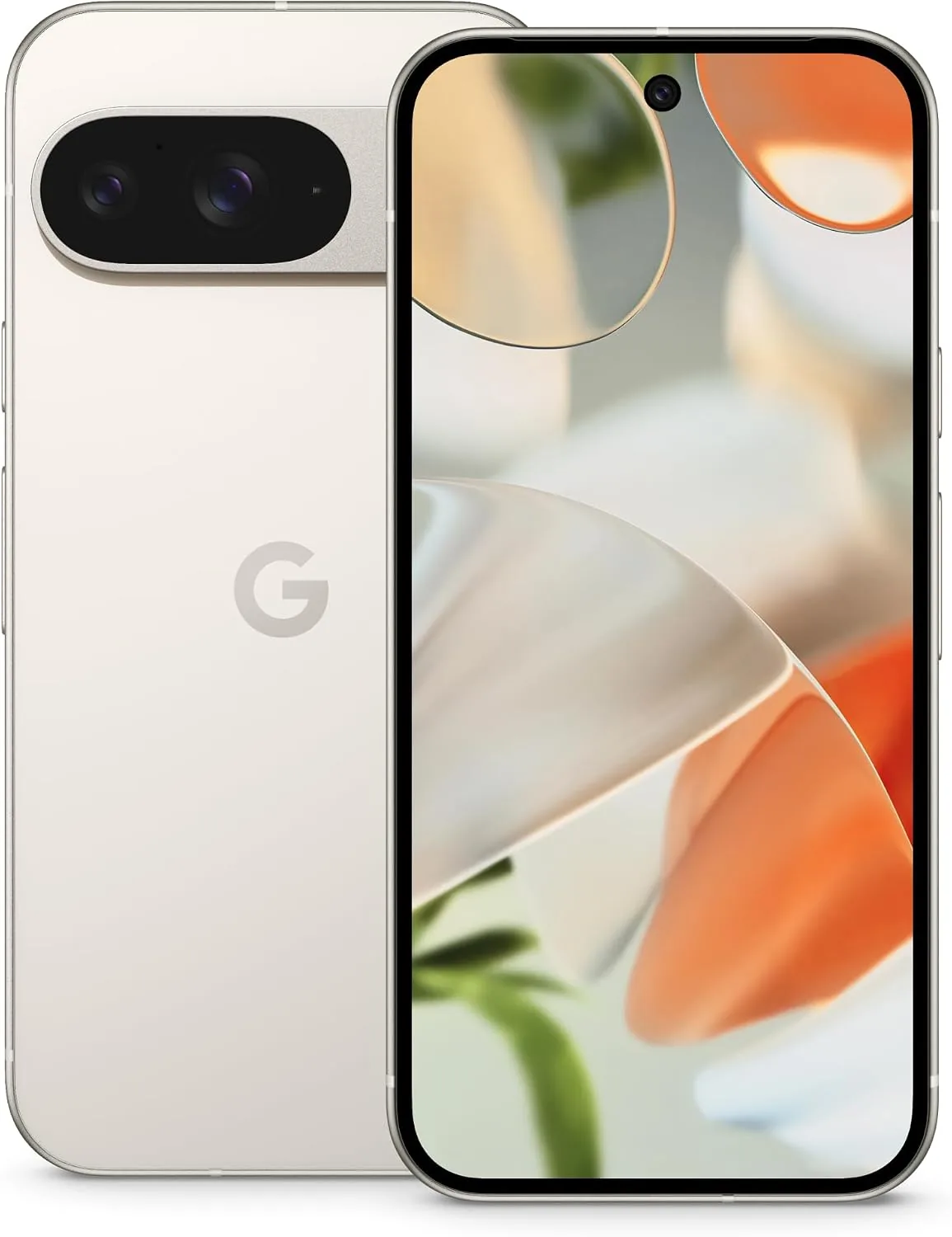
Google has announced a significant extension to its Satellite SOS feature for Pixel 9 owners, adding another full year of complimentary service beyond the original two-year period that was set to expire in 2026. This latest benefit arrives as an unexpected gift for current Pixel 9 users and reshapes the value equation for anyone considering purchasing a Pixel phone in the near future.
What Changed for Pixel 9 Owners
When Pixel 9 launched in 2024, Google positioned Satellite SOS as a standout feature, making it available to Android users across the United States for the first time. The initial offer included two years of free satellite emergency connectivity, with that benefit window closing in 2026. However, Google has now extended this period by an additional 12 months at no cost to Pixel 9 owners. A company spokesperson confirmed the extension officially, though no additional details were provided regarding potential future pricing or service modifications.
The move demonstrates Google’s commitment to supporting its flagship device users during a period when premium technology features increasingly come with subscription costs. For shoppers evaluating smartphones for battery life worth buying in 2026, this added layer of emergency connectivity represents genuine practical value beyond typical promotional claims.
Why This Feature Matters for Consumers
Satellite SOS functionality is designed to address genuine safety concerns rather than serve as a lifestyle feature. When you are in a remote location without cellular coverage or during natural disasters that damage ground-based networks, this capability enables you to reach emergency services even when traditional calls and text messages become impossible. The feature operates in scenarios where a person is injured, lost, or stranded, offering a critical communication lifeline when standard options fail.
Unlike some smartphone features that fade from regular use, satellite emergency services represent insurance against genuinely dangerous situations. This distinction explains why both Google and Apple have prioritized development in this area and why Google is now extending access beyond the original timeline.
The Technology Behind the Service
Google’s Satellite SOS infrastructure relies on partnerships with specialized companies that enable the complete ecosystem. Garmin Response handles emergency coordination and response worldwide, managing the SOS incidents that Pixel users initiate. Skylo supplies the satellite connectivity infrastructure, allowing Pixel 9 phones to establish communication pathways with orbiting satellites. These two organizations working together in 2024 created the foundation for this Android emergency service, and their continued partnership enables the extended free access Google is now providing.
Apple Already Walking This Path
Google’s decision to extend free satellite service aligns with industry precedent set by Apple. iPhone 14 series owners previously received extensions to their Emergency SOS via Satellite benefit after the initial two-year complimentary period. This pattern suggests that major manufacturers recognize the public relations and customer retention value of extending these safety-critical features, at least for flagship devices. Both companies appear to be using extended free periods as a competitive advantage while the market for satellite connectivity services remains relatively new.
What Remains Unknown
Google has not publicly announced what happens after 2027 when the extended free period expires. The company could introduce subscription pricing, offer another extension, or establish an alternative funding model. Current speculation among industry observers centers on the eventual shift toward paid tiers, but no official confirmation has emerged. For buyers evaluating best smartphones for every budget under $500, the extended free period provides breathing room before any potential paid model becomes necessary.
The absence of clarity about post-2027 pricing creates some uncertainty for consumers planning longer-term device usage. However, the immediate benefit remains concrete: an additional year of satellite emergency connectivity at no extra cost represents tangible savings during 2026 and 2027.
Implications for Pixel Phone Buyers
This extension strengthens the value proposition of Pixel 9 devices and influences the cost-benefit analysis for shoppers weighing Android flagship options in 2026 and 2027. The combination of proven satellite emergency service access plus Google’s software optimization creates a more compelling offer than baseline smartphone specifications alone suggest. For consumers who spend time in rural areas, frequently travel to remote locations, or simply value emergency preparedness, the added year of free satellite access becomes a meaningful differentiator.
Prospective buyers should factor this benefit into their research when comparing device options at various price points. The extension demonstrates Google’s willingness to invest in customer retention through feature access rather than forced subscription upgrades, at least for the present period.
Looking Forward
As smartphone technology matures and manufacturers seek additional revenue streams, features like satellite connectivity will likely become more prominent in purchasing decisions. Google’s decision to extend free access positions the company favorably with consumers while the competitive landscape around emergency satellite services continues evolving. Whether this represents a long-term strategy or a temporary competitive move remains to be seen, but the benefit to current Pixel owners is immediate and unambiguous.
About the author
Eleanor covers smartphones for REMOVU, balancing cameras, battery life, and software support against price. She helps readers find the best value as the field shifts with every release.