Google Pixel Phone Owners Are Getting New 3D Emojis Starting This Week: Here’s What Changed
New dimensional emoji designs from Android 17 are arriving on compatible Pixel devices from 2022 and later.
 By Eleanor Garcia
Updated October 20, 2026
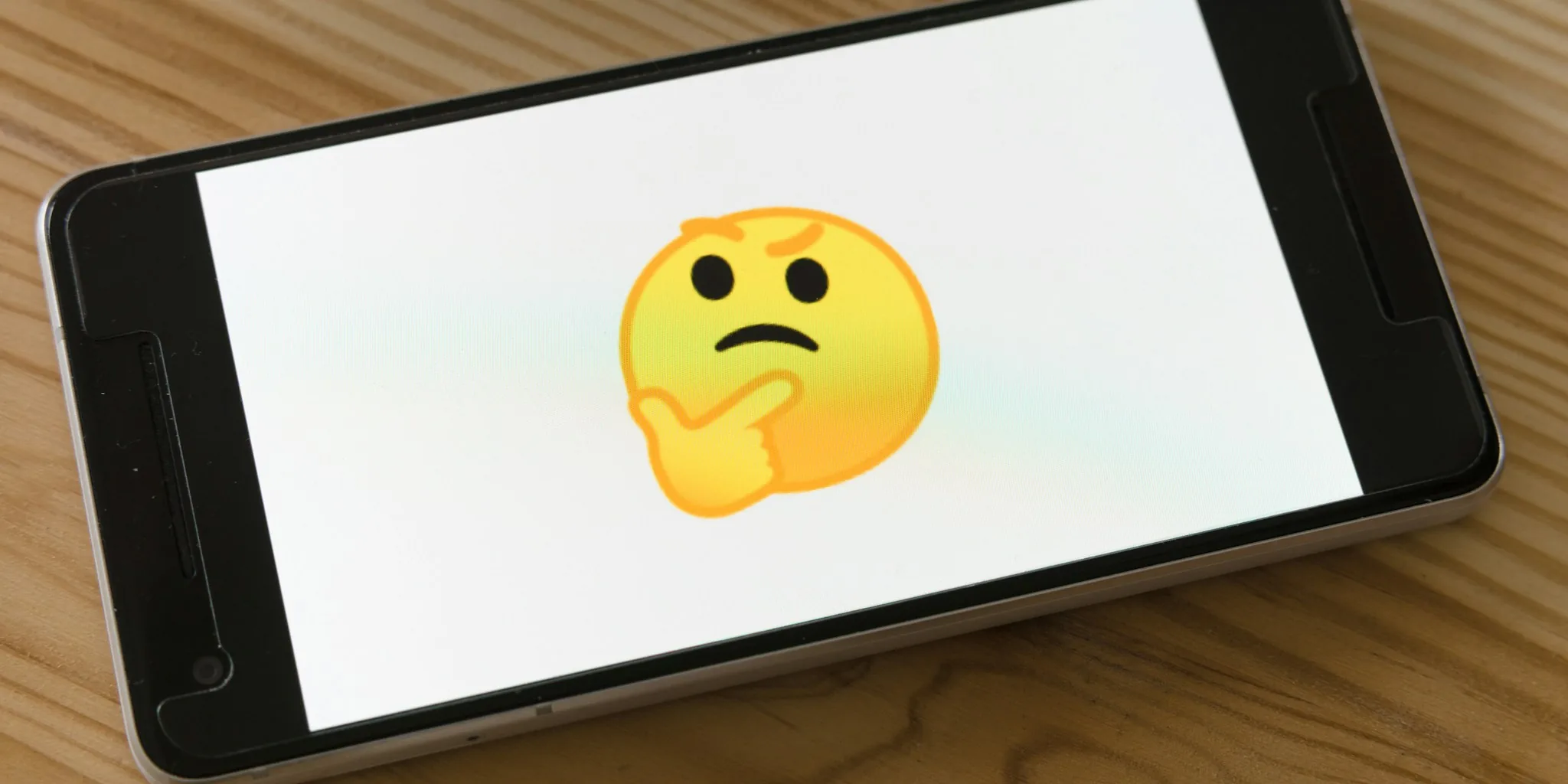
Google is beginning to distribute its newly designed Noto 3D emojis to older Pixel phone models, marking a significant shift in how the company is rolling out one of its most visible Android 17 features. What started as a Pixel 11 exclusive is now making its way to devices several generations older, potentially transforming the emoji experience for millions of smartphone users across the country.
What Is Happening Now
The new 3D emoji designs, which Google introduced alongside Android 17 and the Pixel 11 series, are beginning to appear on compatible older devices. Reports indicate that at least one user with a Pixel 6a has already received the updated emoji set through a system update. The fresh designs bring dimensional depth and visual richness that Android users have long requested, moving away from the flatter, more minimalist emoji appearance that the platform previously offered.
The rollout appears to be gradual rather than immediate. Google has not announced a specific timeline for when all compatible devices will receive the update, meaning some users may see the new emojis this week while others wait several more weeks. This phased approach allows Google to monitor performance and gather user feedback before making the emojis available across its entire ecosystem.
The Visual and Functional Differences
Google’s design team focused on creating emojis with greater visual depth, dimension, and expressiveness. Each emoji now features more subtle shading, contours, and three-dimensional qualities that make them easier to recognize at a glance and more emotionally nuanced in conversations. The company’s research indicated that platform-specific emoji designs significantly affect how users perceive digital communication, particularly in workplace and professional messaging scenarios.
For shoppers considering whether to upgrade or keep their current device, this update adds tangible value without requiring a hardware change. Users with older Pixel phone models that support Android 17 will gain access to design enhancements typically reserved for flagship devices.
What This Means for Shoppers
If you own a Pixel device from 2022 or later, you should expect to receive this update automatically over the coming weeks. The company has designed the rollout to happen through standard system updates, so no manual intervention or app installation is required. Simply keep your device updated, and the new emojis will arrive when your phone’s turn comes.
For consumers evaluating which smartphone to purchase, this news underscores Google’s commitment to supporting older hardware with meaningful feature updates. Rather than forcing users to buy new Pixel phones to access visual improvements and design refinements, the company is extending these benefits backward through its update pipeline. This approach could influence purchasing decisions, particularly for budget-conscious buyers who might feel reassured about long-term software support.
Broader Availability Beyond Pixel
Google has already committed to bringing these emoji designs to devices from multiple Android manufacturers, including Nothing, Lenovo, Xiaomi, Oppo, OnePlus, Vivo, Honor, and Motorola. This means the 3D emoji experience will eventually extend well beyond the Pixel ecosystem, though the Pixel lineup will likely receive updates first due to Google’s direct control over the software stack.
The expansion reflects a strategic decision to make Android’s visual identity more competitive with other platforms. For years, users have noted that Android emojis appeared less polished than alternatives offered by competitors. By distributing a cohesive, modern emoji design across multiple manufacturers, Google is creating a more unified and visually appealing Android experience.
What to Expect Moving Forward
Users should monitor their system update notifications over the next few weeks. Once the update arrives on your device, you’ll notice the emoji keyboard displaying the new designs immediately. No settings changes or app updates are necessary. The new emojis will function identically to their predecessors, so the change is purely visual.
If you don’t see the new emojis on your compatible device after several weeks, ensure you have installed the latest system updates and that your device is running Android 17. Google may have staggered the rollout by device model, so patience may be required.
This gradual expansion demonstrates how major tech companies can deliver meaningful updates to older devices without requiring consumers to purchase new hardware. For anyone questioning whether their current Pixel phone still offers value, receiving new design language and visual improvements provides a concrete answer: your device will continue to evolve alongside Google’s vision for Android.
About the author
Eleanor covers smartphones for REMOVU, balancing cameras, battery life, and software support against price. She helps readers find the best value as the field shifts with every release.