Google Announces Fitbit Edge Tracker With Display and GPS What Shoppers Should Know
New fitness tracker brings a larger display and upgraded GPS to Google's wearable lineup.
 By Katherine Perez
Updated October 12, 2026
By Katherine Perez
Updated October 12, 2026

Google has introduced the Fitbit Edge, a new fitness tracker priced at $179.99 that expands its wearable ecosystem following the earlier launch of the Fitbit Air. The Edge brings a larger display and advanced GPS capabilities, targeting shoppers who want comprehensive health tracking in a more feature-rich device.
What the Fitbit Edge Offers
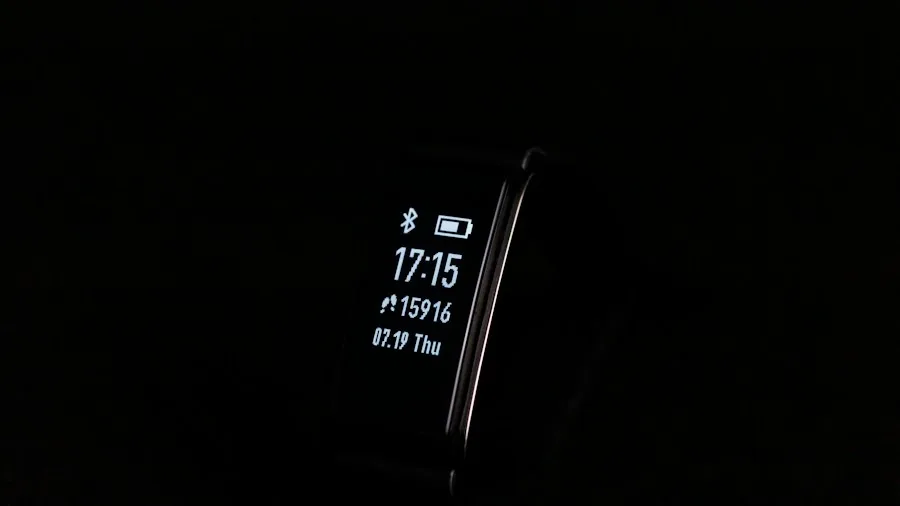
The standout feature of the Fitbit Edge is its wide, pill-shaped AMOLED screen protected by Gorilla Glass 3. This display provides 46% more screen real estate compared to the earlier Charge 6 model, allowing users to view more information at a glance without constantly navigating menus. The 11.5mm aluminum body combines precision engineering with nano-molding technology to keep the device slim and lightweight.
Navigation and durability matter for active users. The Edge includes a dedicated large button on the right side for tactile control, which proves especially useful when swimming or wearing gloves. The device carries an IP68 and 5ATM water resistance rating, making it suitable for lap swimming and snorkeling.
GPS and Sensor Capabilities
The onboard GPS delivers 40% improved precision compared to the Charge 6, a meaningful upgrade for shoppers who track running routes or hiking trails. Beyond GPS, the Edge integrates multiple health sensors: an accelerometer, altimeter for elevation changes, ambient light sensor, far-field skin temperature monitoring, gyroscope, heart rate sensor, electrical sensors for ECG readings, and red and infrared sensors for blood oxygen (SpO2) measurement. This comprehensive sensor array enables detailed activity tracking and health insights without requiring a separate device.
Battery Life and Charging
Battery performance addresses a key concern for wearable buyers. A five-minute quick charge delivers enough power for a full day of use, while a complete charge takes 90 minutes via magnetic USB-C. With the always-on display disabled, the Edge reaches approximately one week of battery life. When you keep the display continuously active, expect around two days between charges. Like the Pixel Watch 5, the battery is user-replaceable, extending the device’s long-term value.
Software and Smart Features
The Fitbit Edge runs on Fitbit’s proprietary operating system, similar to the Air model. Google integrates its latest ecosystem innovations, with the larger screen unlocking a richer interface inspired by the Pixel Watch 5. The device comes with approximately a dozen watch face options in analog and digital styles, all customizable through the Google Health app.
Swiping left or right from the watch face reveals customizable tiles for Quick Start (exercise shortcuts), Focus metrics, Sleep data, Heart metrics, Cycle health, Weather, Timers, Alarms, and Music controls. Music commands now work with any app on your paired smartphone, a practical improvement over previous models.
The Exercise app supports tracking over 50 activity types with real-time guidance and detailed workout views. Advanced automatic activity detection uses AI-powered contextual reasoning to learn your habits, ultimately supporting more than 100 activity categories. The Edge can broadcast heart rate data to compatible fitness equipment.
Connectivity and Limitations
The Fitbit Edge supports both Android and iOS platforms, with certain platform-specific features built in. You’ll receive phone notifications and can reply to messages via quick responses, though iOS users face limitations on reply functionality due to platform constraints. Google Maps navigation works on both platforms, but the absence of NFC means no Google Wallet payments.
An important advantage for committed Google ecosystem users: you can operate the Fitbit Air, Edge, and Pixel Watch 5 simultaneously on a single account with seamless switching between devices.
Design and Customization

The Fitbit Edge launches in four color combinations: Matte Black Aluminum with Obsidian band, Polished Silver with Fog band, Satin Pyrite with Olive band, and Champagne Gold with Canyon band. Replaceable bands offer additional customization, with three standard options: the Active Sport band in ultra-soft silicone ($39.99), a clasp-free Magnet Band with embedded magnets ($59.99), and a Performance Loop with stretch micro-adjustment capability ($49.99, coming soon). Additional band designs continue Google’s commitment to personalization.
Pricing and Availability
The standard Fitbit Edge retails for $179.99, with pre-orders available immediately and general availability beginning October 27. Google is also offering a Stephen Curry Special Edition priced at $219.99, which includes a custom band for fans and collectors. This price positioning places the Edge between basic fitness trackers and premium smartwatches, appealing to shoppers who prioritize health metrics and GPS tracking.
For shoppers evaluating fitness wearables, the Fitbit Edge represents a meaningful step forward in display quality, GPS accuracy, and sensor comprehensiveness. The balance of affordability, feature richness, and ecosystem integration makes it a solid consideration for those already invested in Google’s product lineup or seeking a capable health tracking device with practical daily usability.
About the author
Katherine covers fitness and activity trackers for REMOVU, focusing on sensor accuracy, battery life, and useful daily insights. She helps readers track steps, sleep, and workouts without the bulk of a full smartwatch.