GaN Charger Technology Reshapes the Multi Device Charging Landscape What Shoppers Need to Know
One charger for all your devices. Here's what shoppers should know about this transformative technology.
 By Adrian Rogers
Updated September 12, 2026
By Adrian Rogers
Updated September 12, 2026
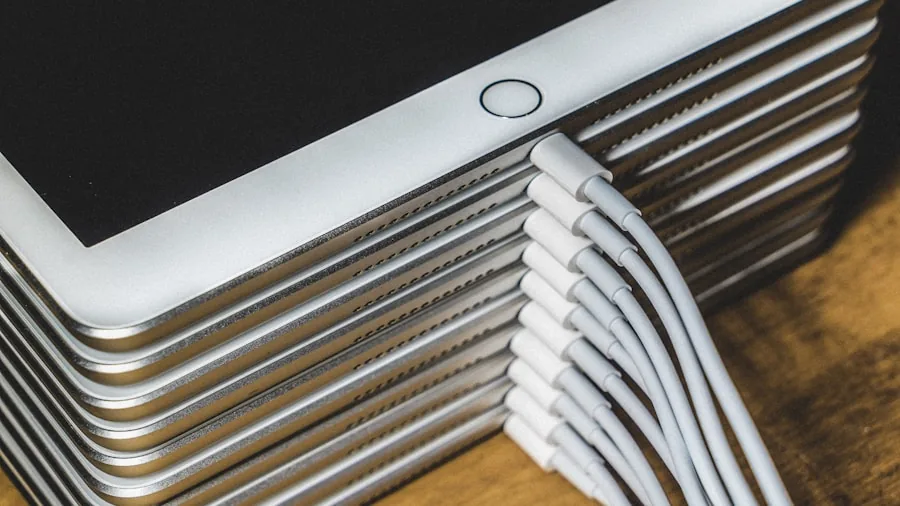
For years, managing chargers for multiple devices felt like an endless puzzle. Between smartphones, laptops, tablets, gaming handhelds, and wireless earbuds, the typical household needed an outlet for nearly every gadget. That reality is changing thanks to GaN chargers, a technology breakthrough that addresses one of modern life’s most frustrating problems: finding enough power sources when everything needs charging at once.
The Problem with Traditional Multi Port Chargers
Most traditional Power Delivery multi port chargers rely on silicon technology that forces compromises. They often become oversized power bricks, run hot during simultaneous charging, and struggle to recognize which device is plugged into which port. When multiple devices draw power at the same time, older chargers frequently fail to deliver optimal speeds, or worse, refuse to charge certain devices altogether. A conventional silicon based multi port charger might charge a smartphone and gaming console simultaneously, but it frequently gets confused about negotiating the right power protocol for each one, resulting in sluggish charging or complete charging failure for one device.
The cost of avoiding this frustration typically meant buying separate chargers for each device, creating desktop clutter and making travel a hassle. Packing multiple charging bricks into a bag defeats the purpose of having portable devices in the first place.
Understanding GaN Technology and Its Advantages
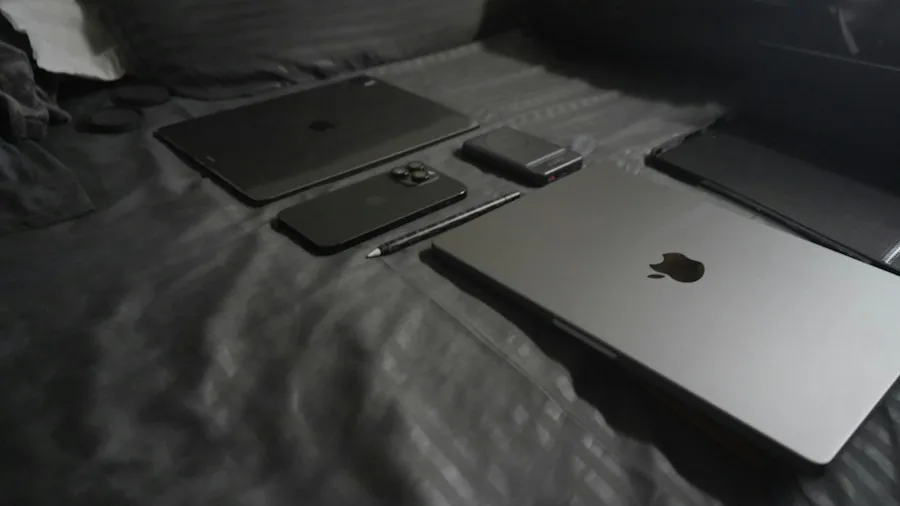
Gallium Nitride, commonly abbreviated as GaN, represents a fundamental shift in charger design. GaN chargers are physically smaller than their silicon counterparts while delivering more power and running cooler. The technology enables superior power management, reduced energy loss, and intelligent load distribution across multiple ports.
Unlike traditional chargers, modern GaN models feature built in logic that negotiates the correct charging speed for each connected device simultaneously. If you connect a laptop, smartphone, TWS earbuds, and a tablet to a four port GaN charger, the charger automatically allocates power based on each device’s maximum supported charging speed. A laptop might receive 100W while a smartphone gets 30W, and the earbuds receive just 5W, all without requiring manual intervention or sacrificing overall charging speed.
Many users who rely on 2-in-1 laptops and portable workstations find that a single GaN charger eliminates the need for separate laptop chargers and phone chargers, dramatically simplifying their work setup.
Real World Charging Scenarios
Consider a typical workday scenario. You’re using a laptop for video calls, listening to wireless earbuds, gaming on a portable console during breaks, and your smartphone needs a charge. A high capacity GaN charger with multiple USB C ports and a USB A port can handle all four devices simultaneously, delivering each the optimal wattage for its charging protocol. The charger intelligently distributes available power rather than forcing a single standard speed across all ports.
For travelers, this advantage becomes even more critical. Hotel rooms and office spaces rarely offer multiple wall outlets near working surfaces. A single GaN charger with four ports eliminates the need to choose which devices get priority charging and which remain unplugged.
Current generation smartphones like the Google Pixel series support fast charging speeds that only GaN chargers can fully utilize. At maximum capacity, a capable GaN charger can charge a Pixel phone from empty to full in 30 to 45 minutes when used as the sole device drawing power.
Price and Accessibility Have Changed
When GaN chargers first launched, premium pricing made them impractical for average consumers. That barrier has largely dissolved. Established brands including Anker, Baseus, Ugreen, and Nothing now offer GaN chargers and power solutions at multiple price points, with quality options available under $50. You no longer need to invest in a 160W four port powerhouse if your needs are more modest. A 100W dual port GaN charger can still dramatically improve a household’s charging efficiency.
Why Regular Chargers Feel Outdated Now

After experiencing the convenience of a multi port GaN charger, returning to traditional charging feels inadequate. Single port chargers become time intensive when multiple devices need power. Dedicated device specific chargers create unnecessary bulk. Standard multi port silicon chargers lack the intelligence to handle diverse devices smoothly.
GaN technology shifts how consumers should think about chargers. Rather than disposable accessories that come and go with device purchases, modern chargers represent long term infrastructure investments. A quality GaN charger purchased today will remain useful for years as new phones, tablets, and laptops arrive, since all modern devices support Power Delivery or USB C charging standards.
Making the Switch
If your household depends on multiple devices and you frequently find yourself rationing outlets or waiting for devices to charge, upgrading to a GaN charger makes practical and financial sense. The time saved by simultaneously charging four devices instead of sequential charging pays dividends. The desk space freed up by consolidating multiple chargers into one adds genuine value. For those who travel frequently or maintain home office setups, a quality GaN charger eliminates daily frustrations that compound throughout the year.
The technology is no longer experimental or limited to early adopters. Consumer electronics have evolved to make GaN chargers not just preferable but essential for anyone managing multiple devices in 2026.
About the author
Adrian writes about power banks for REMOVU, balancing capacity, charging speed, and pocketability for phones and laptops. He helps readers stay topped up without carrying a brick.