Galaxy Z Fold 8 Ultra Auto Rotate Issue: What Shoppers Need to Know Before Buying
Users report screen orientation problems with Samsung's latest foldables. Here's what's happening and how to work around it.
 By Eleanor Garcia
Updated October 13, 2026
By Eleanor Garcia
Updated October 13, 2026
Samsung’s latest foldable phones have earned widespread praise for their innovative design and powerful performance, but early users are reporting a frustrating quirk that could affect your daily experience. The Galaxy Z Fold 8 and Galaxy Z Fold 8 Ultra both exhibit an auto rotation problem that catches users off guard, particularly when checking messages or streaming music on the go.
The Auto Rotation Problem Explained
The issue centers on the phones’ failure to automatically adjust their display orientation when you rotate the device. Users frequently pull out their phones expecting the screen to flip to landscape mode, only to find the display locked at a 90-degree angle or completely upside down. This problem occurs most often on the cover screen of both models, though the main inner display is occasionally affected.
In practical scenarios, the frustration becomes clear. Someone might unlock their phone during a run to skip a song on their music app, only to face a display that’s oriented sideways. The manual rotation workaround sometimes fixes the issue immediately, but other times it forces you to navigate your phone with text displayed at an awkward angle. For users accustomed to seamless orientation changes on standard smartphones, this represents a noticeable step backward.
Why Is This Happening?
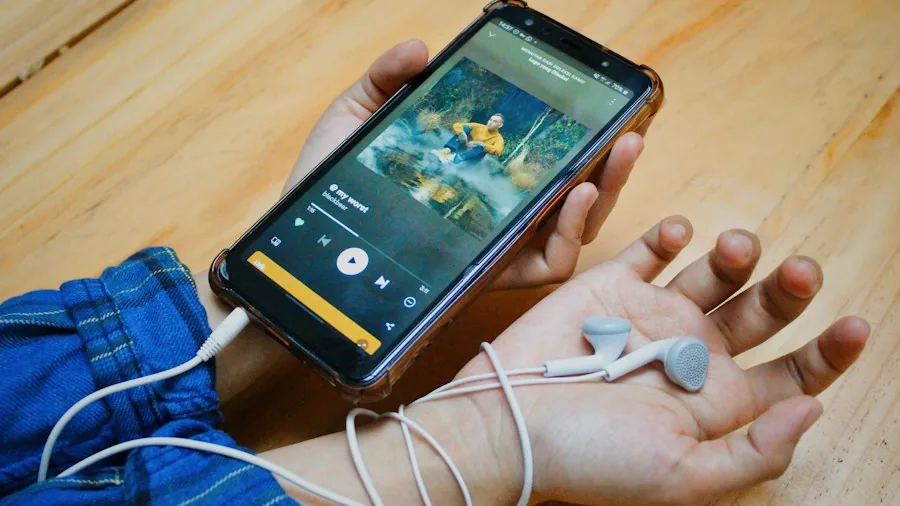
Every phone contains a gyroscope, an internal component responsible for detecting device rotation and orientation. This sensor enables automatic screen rotation, augmented reality features, and camera stabilization. Given the Galaxy Z’s unique folding form factor, experts suspect the gyroscope may be compromised by the device’s structural design, preventing it from functioning as effectively as it would in a traditional phone configuration.
The folding mechanism itself requires internal components to be arranged differently than in conventional phones, potentially affecting sensor accuracy. While Samsung has invested years in perfecting this technology, the complexity of the fold apparently introduces challenges that standard phone designs simply don’t face.
A Workaround Exists, But It’s Not Perfect
Android includes a built-in orientation lock feature accessible through quick settings. Disabling auto rotation prevents your phone from adjusting to different angles, which proves useful if you’re lying in bed or exercising. When you rotate the device while auto rotation is off, a small circular icon appears on your display, allowing you to manually trigger the orientation change by tapping it.
However, this solution requires manual intervention each time you want to change the screen orientation. On the Galaxy Z models, this manual rotation button appears smaller than on other Android devices, making it trickier to tap accurately. Additionally, the button reportedly only surfaces on the inner display of the Z Fold 8 Ultra, leaving cover screen users without convenient access to this feature.
Samsung does offer customization options that let you disable auto rotation for specific applications, which provides some relief if particular apps are the main source of frustration.
Is This a Deal Breaker?
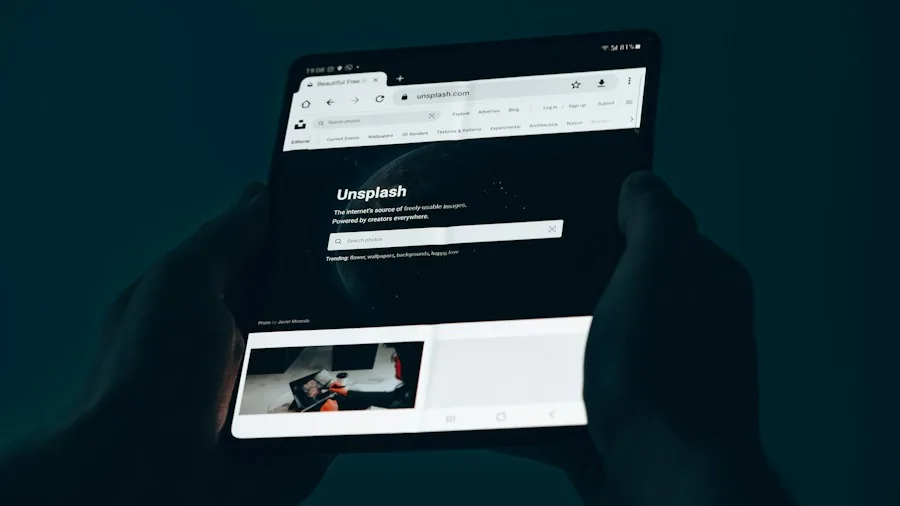
Industry reviewers evaluating the Galaxy Z Fold 8 Ultra emphasize that this issue, while annoying, doesn’t fundamentally undermine the phones’ value. The problem falls into the category of minor flaws, comparable to other compromises that come with cutting-edge foldable technology, such as visible display creases or slightly increased heat during intensive use.
The broader context matters here. Foldable phone technology remains relatively young despite Samsung’s years of development. The Galaxy Z TriFold, for instance, reportedly never launched because the engineering team determined it wasn’t ready for consumers. Apple’s much-rumored foldable iPhone also hasn’t materialized, with industry sources citing manufacturing and quality concerns as barriers to release.
This auto rotation quirk serves as a reminder that foldable phones represent work in progress, even from established manufacturers. Issues continue to emerge and require refinement as the technology matures.
What This Means for Potential Buyers
If you’re considering purchasing a Galaxy Z Fold 8 or Ultra, understand that you’re adopting a device with some unresolved engineering challenges. The auto rotation problem is most bothersome for users who frequently check their phones while doing other activities, particularly athletes or commuters relying on music streaming.
Your tolerance for this issue should factor into your decision. Some users may find the workaround perfectly acceptable, while others might find the repeated manual adjustments tiresome enough to seek alternatives. The phones excel in many other areas, but this frustration reveals that even premium foldable devices still have kinks to work out.
Consider how you typically interact with your phone. If you keep auto rotation enabled most of the time and expect seamless orientation changes, be aware that the Galaxy Z series may occasionally disappoint you. If you’re willing to manually adjust orientation when needed or disable auto rotation entirely, the limitation becomes less problematic.
As Samsung continues refining its folding phone line, addressing gyroscope accuracy and sensor reliability will likely become priorities for future iterations, potentially eliminating this irritant for next-generation users.
About the author
Eleanor covers smartphones for REMOVU, balancing cameras, battery life, and software support against price. She helps readers find the best value as the field shifts with every release.