Full Frame Mirrorless Cameras Drop in Price: What Budget Shoppers Need to Know
Sony, Panasonic, and Nikon full-frame mirrorless cameras hit record lows. Here's what shoppers should know.
 By Lawrence Hale
Updated August 21, 2026
By Lawrence Hale
Updated August 21, 2026

Three powerhouse full-frame mirrorless cameras just hit record-low prices at major retailers, making it significantly easier for DSLR users and budget-conscious shoppers to make the leap into modern camera technology. The Panasonic Lumix S5 IIX, Sony A7 IV, and Nikon Z5 are all offering substantial savings right now, with discounts reaching up to $500 off regular pricing.
Why Now Is the Time to Switch
If you have been shooting on a DSLR or smaller sensor camera and have considered upgrading, the current pricing makes the transition far more accessible than it was six months ago. Full-frame mirrorless cameras deliver tangible benefits over older DSLR technology, including faster autofocus, more compact bodies, superior video performance, and innovative features that DSLR systems simply cannot match.
The three cameras receiving discounts represent three distinct paths into mirrorless photography, each serving different needs and budgets. Whether you prioritize video, autofocus performance, or budget-friendly stills capability, there is an option worth your consideration.
The Panasonic Lumix S5 IIX: Hybrid Shooter Champion
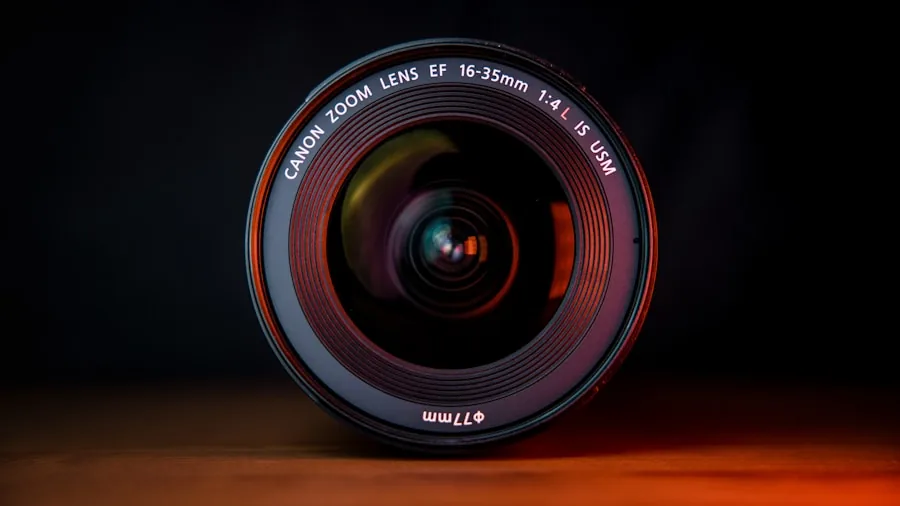
The Panasonic Lumix S5 IIX has dropped to $1,897.99, representing a $300 savings from its original price of $2,197.99. This model stands out as the ideal choice if you need strong video capabilities alongside still photography. The camera delivers 6K 30p video at full sensor readout, 4K 60p streaming capability, and native support for Apple ProRes and ProRes RAW output, making it genuinely competitive with dedicated cinema cameras despite its consumer-level pricing.
The S5 IIX includes 6.5 stops of in-body image stabilization, allowing handheld shooting in lower light situations without requiring a tripod. Weather sealing protects the camera in challenging environmental conditions. A high-resolution pixel shift mode can generate up to 96MP still images, extending versatility far beyond what the standard 24.2MP sensor alone provides.
One consideration: the L-Mount ecosystem has fewer native lens options compared to Sony or Nikon systems. However, Sigma offers strong third-party support as an L-Mount founding member, and adapters let you repurpose glass from other systems if you currently own Canon EF lenses or other legacy equipment.
The Sony A7 IV: Autofocus Excellence
The Sony A7 IV bundle now costs just $1,998, down from $2,498, netting you a $500 discount. The body alone retails for $1,998. This camera represents arguably the most mature mirrorless ecosystem available today, with extensive native lens selection and robust third-party support from manufacturers like Tamron and Sigma.
The A7 IV excels with real-time Eye AF detection and tracking, allowing the camera to lock onto and follow a subject’s eyes with remarkable accuracy and speed. For portrait photography and videography, this feature alone represents a significant leap forward from DSLR autofocus systems. The 33MP sensor captures excellent resolution for cropping flexibility, and the camera achieves 10fps continuous shooting with refined autofocus performance throughout the burst sequence.
The dual card slot system (CFexpress Type A and SD UHS-II) provides workflow flexibility and redundancy. An articulating touchscreen simplifies menu navigation and enables creative shooting angles. If autofocus performance and lens availability are your priorities, the Sony A7 IV represents a standout choice among mirrorless and DSLR cameras.
The Nikon Z5: Entry-Level Full Frame Value

The Nikon Z5 bundle now costs $1,146.95, down from $1,446.95, for a savings of $300. The body alone is $1,146.95. This camera serves photographers seeking an affordable entry point into full-frame mirrorless without excessive spending. With a 24.3MP sensor, 4K video capability, weather sealing, and a familiar design language that mirrors Nikon DSLR bodies, the Z5 feels immediately comfortable for anyone upgrading from a Nikon F-mount camera.
The Nikon FTZ adapter lets you continue using existing Nikon F-mount lenses with autofocus compatibility, protecting your investment in legacy glass. The primary limitation is the absence of in-body image stabilization, which is relatively uncommon at this price point. If you shoot primarily static subjects and stills-focused work, this omission matters less. Handheld video or longer focal lengths may require a tripod or gimbal stabilizer.
The best mirrorless cameras for wildlife photography often emphasize autofocus and stabilization, areas where the Z5 takes a different approach than its competitors. For stills-only or lightweight travel photography, these trade-offs become far less significant.
Making Your Choice
Each camera serves distinct photography styles. The Panasonic Lumix S5 IIX excels for hybrid creators needing professional video features. The Sony A7 IV delivers unmatched autofocus and lens ecosystem depth. The Nikon Z5 provides the lowest entry cost while maintaining respectable image quality.
If you already own lenses from one of these manufacturers, staying within the same ecosystem through their mirrorless system makes financial sense. You preserve lens investments and maintain interface familiarity. These price reductions eliminate the historical cost barrier that discouraged many photographers from making the switch. Now represents an genuinely opportune moment to upgrade, whether searching for mirrorless cameras under $1000 or willing to invest slightly more for expanded capabilities.
About the author
Lawrence covers mirrorless and DSLR cameras for REMOVU, weighing image quality, autofocus, and lens ecosystems. He helps photographers choose a body they can grow with.