Foldable Phone Market 2026: Which Used Models Are Safe to Buy and Which to Avoid
Which used foldable phones are worth buying and which should you skip? We break down durability, support, and real value.
 By Eleanor Garcia
Updated October 5, 2026
By Eleanor Garcia
Updated October 5, 2026
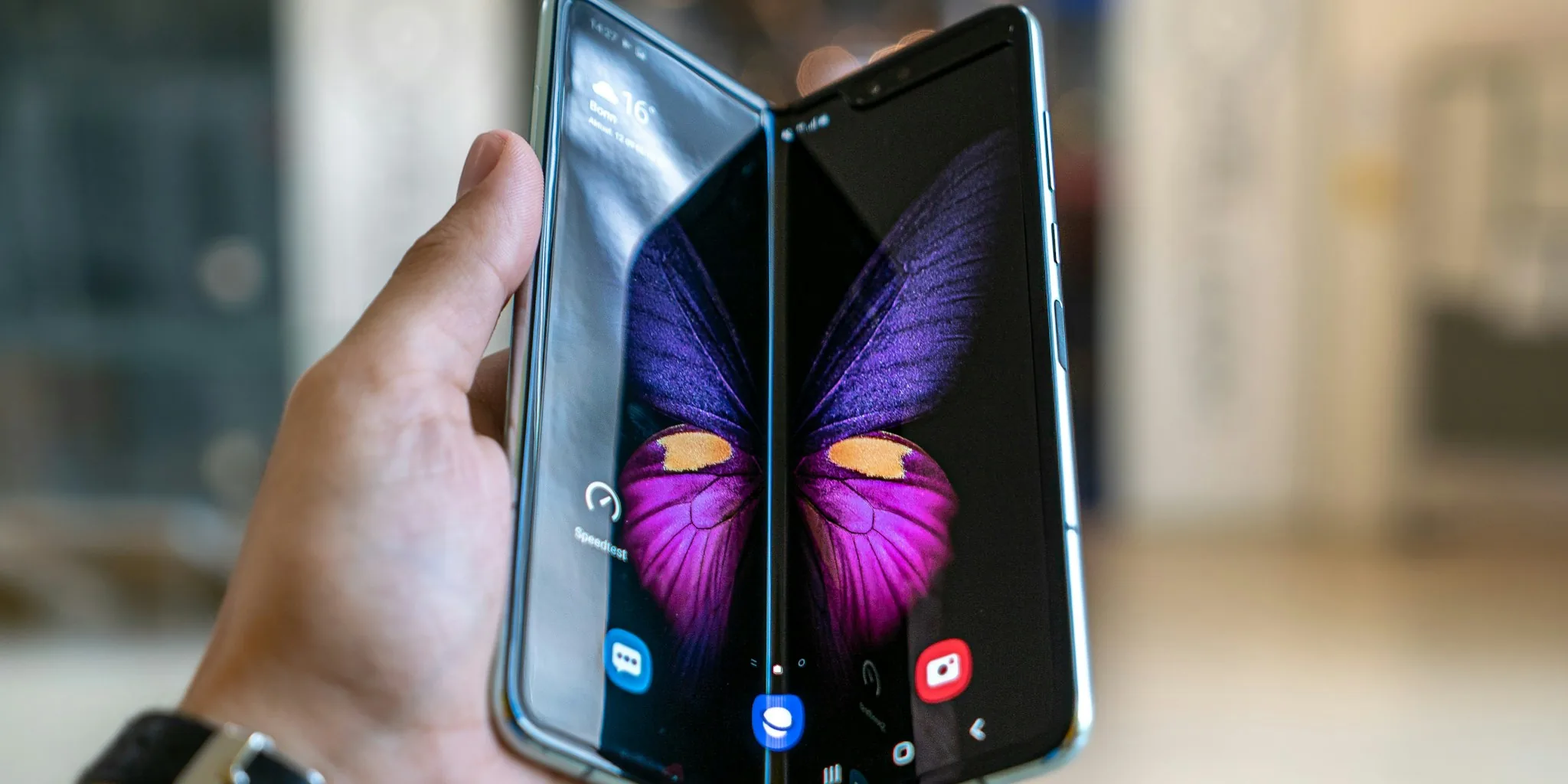
The foldable phone category has matured dramatically since its debut seven years ago, but prices remain steep. New book-style foldables still hover around $2,000, making used purchases an increasingly attractive option for shoppers curious about the technology without committing to a flagship price tag. However, buying a used foldable phone requires far more scrutiny than purchasing a standard smartphone. Each device ages differently, with some offering years of remaining software support and proven hinge durability, while others risk costly repairs or failure.
The key to a successful used foldable purchase lies in understanding which models have stood the test of time and which designs are prone to problems. Experts recommend prioritizing devices no more than a couple of generations old with moderate usage history. Buying from trusted refurbished marketplaces that offer limited warranties provides additional protection. Here’s what today’s market reveals about which foldables deserve your money and which ones you should skip entirely.
The Best Used Foldables to Buy in 2026
Samsung Galaxy Z Fold 7 represents a major leap forward for the company’s flagship lineup. Samsung completely redesigned the device with a ultra-thin 4.2mm unfolded form factor and reduced weight to 215 grams, lighter than most premium phones. The 8-inch QXGA+ AMOLED inner display refreshes at 120Hz and features the company’s new teardrop folding mechanism, which has significantly reduced display failure reports. The redesigned hinge is particularly robust, and Samsung’s extensive support infrastructure means repairs are accessible. Powered by the Snapdragon 8 Elite processor, the Fold 7 handles demanding applications and gaming without lag. Samsung committed to seven years of major Android updates through 2032. The camera system, featuring a 200MP main sensor, captures impressive detail with vibrant colors. Used Fold 7 devices in good condition typically cost around $1,000, making them an expensive option for casual interest but solid value given the capabilities.
Samsung Galaxy Z Fold 6 offers compelling value for budget-conscious buyers. Released in 2024 with minimal physical changes, the Fold 6 has depreciated significantly and now sells for approximately $650 used. The Snapdragon 8 Gen 3 processor remains powerful for gaming and multitasking. Samsung supports the Fold 6 through 2031 with major Android updates. The hinge can survive roughly 200,000 folds, and the device carries an IP48 rating. The 120Hz AMOLED displays are beautiful, though narrower than the Fold 7. The design feels bulkier than modern alternatives, and the camera system, while competent, lacks distinction. This model makes sense for someone wanting to experience the foldable category affordably.
Google Pixel 10 Pro Fold solves durability concerns that plague other foldables. It achieves IP68 water and dust resistance, meaning users can actually bring it to the beach without fear. The trade-off is thickness at 5.2mm unfolded. Google’s big-screen Android experience includes helpful multitasking features and the company’s extensive AI suite. Seven years of software updates extend support through 2032. The Tensor G5 processor lags behind competitors in GPU performance, and some camera performance issues emerge in quick-capture scenarios. Videos suffer from jittery lens switching and reduced detail. Typically priced between $800 and $900 used, the 10 Pro Fold appeals to durability-focused buyers.
Google Pixel 9 Pro Fold delivers excellent value in the $500 to $700 used range. At 5.1mm unfolded, it was the thinnest foldable available in the US market. The 8-inch 120Hz Super Actua display stays visible in direct sunlight and offers an almost-square aspect ratio ideal for reading. Google’s camera processing produces Instagram-worthy photos across various lighting conditions, and the 5x telephoto outperforms competitors’ 3x systems. The Tensor G4 processor handles everyday tasks adequately but struggles with gaming performance on the inner screen, causing heat and rapid battery drain. Seven years of Android updates run through 2031. The IPX8 rating and older gear-driven hinge mean debris can potentially cause issues, so careful inspection before purchase is essential.
Motorola Razr Ultra appeals to those interested in flip-style phones that fold for portability rather than expand into tablets. Priced around $500 used, it features last year’s Snapdragon 8 Elite processor for smooth everyday performance and gaming. The 4-inch 165Hz AMOLED cover screen wraps around the cameras and runs any app, a major advantage over competitors. The titanium-reinforced hinge improves durability, and the IP48 rating provides basic protection. Motorola’s Pantone color options and premium finishes like Alcantara add aesthetic appeal, though such materials may wear with extended use. Motorola’s critical weakness is only three years of software support, four years less than Samsung and Google. The camera system is competent in daylight but lags in low-light scenarios.
Samsung Galaxy Z Flip 7 ranks as the best flip phone available used for $600. The redesigned cover screen now stretches around cameras, a meaningful upgrade from previous generations. The 6.9-inch inner LTPO AMOLED display refreshes at 120Hz and opens completely flat thanks to the teardrop hinge. Unlike the Razr Ultra, you cannot run arbitrary apps on the cover screen without Samsung’s tedious hidden menu process. Performance slightly trails competitors due to the Exynos 2500 processor, though real-world differences remain minimal. Samsung’s commitment to seven years of updates matters significantly. DeX mode provides productivity features. The 50MP rear camera produces detailed photos with natural colors and excellent HDR, while the ultrawide performs well. Battery life will require charging twice daily after degradation.
Foldables to Avoid on the Used Market
Samsung Galaxy Z Fold 4 may seem like a bargain at $350 used, but durability concerns outweigh savings. Major Android updates ended with Android 16, limiting longevity. The phone relied on Samsung’s older internal brush system to block dust, but the adhesive holding these brushes often fails, allowing bristles to jam into the hinge and cause display failures. Without disassembling the device, buyers cannot assess brush condition, making it impossible to evaluate actual risk.
Samsung Galaxy Z Flip 5 introduced Samsung’s large 3.4-inch cover screen, which was genuinely innovative. However, new units already suffered from just 5.5 hours of screen-on battery life. Used models will require multiple charges daily. Android 17 represents the final major update, and the IPX8 rating provides less protection than newer alternatives. Camera performance lags peers, struggling in challenging lighting. Battery degradation makes daily use frustrating.
Google Pixel Fold disappointed in longevity testing. The Tensor G2 processor performed below Snapdragon alternatives even at launch and now matches mid-range chips. Major updates end in 2028. The structural integrity raised serious concerns when stress evaluations revealed the frame fails before the hinge, with the phone snapping when bent from certain angles. This design weakness makes long-term ownership risky regardless of price.
When evaluating used foldable phones, prioritize models with proven hinge reliability, adequate remaining software support, and robust durability credentials. Battery degradation will affect all used foldables, so condition assessment matters greatly. The best purchases balance current pricing with years of remaining support and established track records for hardware longevity.
About the author
Eleanor covers smartphones for REMOVU, balancing cameras, battery life, and software support against price. She helps readers find the best value as the field shifts with every release.