Foldable iPhone Camera Shortfall: What Shoppers in China and the US Should Know
The missing telephoto lens carries different weight for US buyers versus Chinese consumers in this foldable launch.
 By Eleanor Garcia
Updated August 23, 2026
By Eleanor Garcia
Updated August 23, 2026
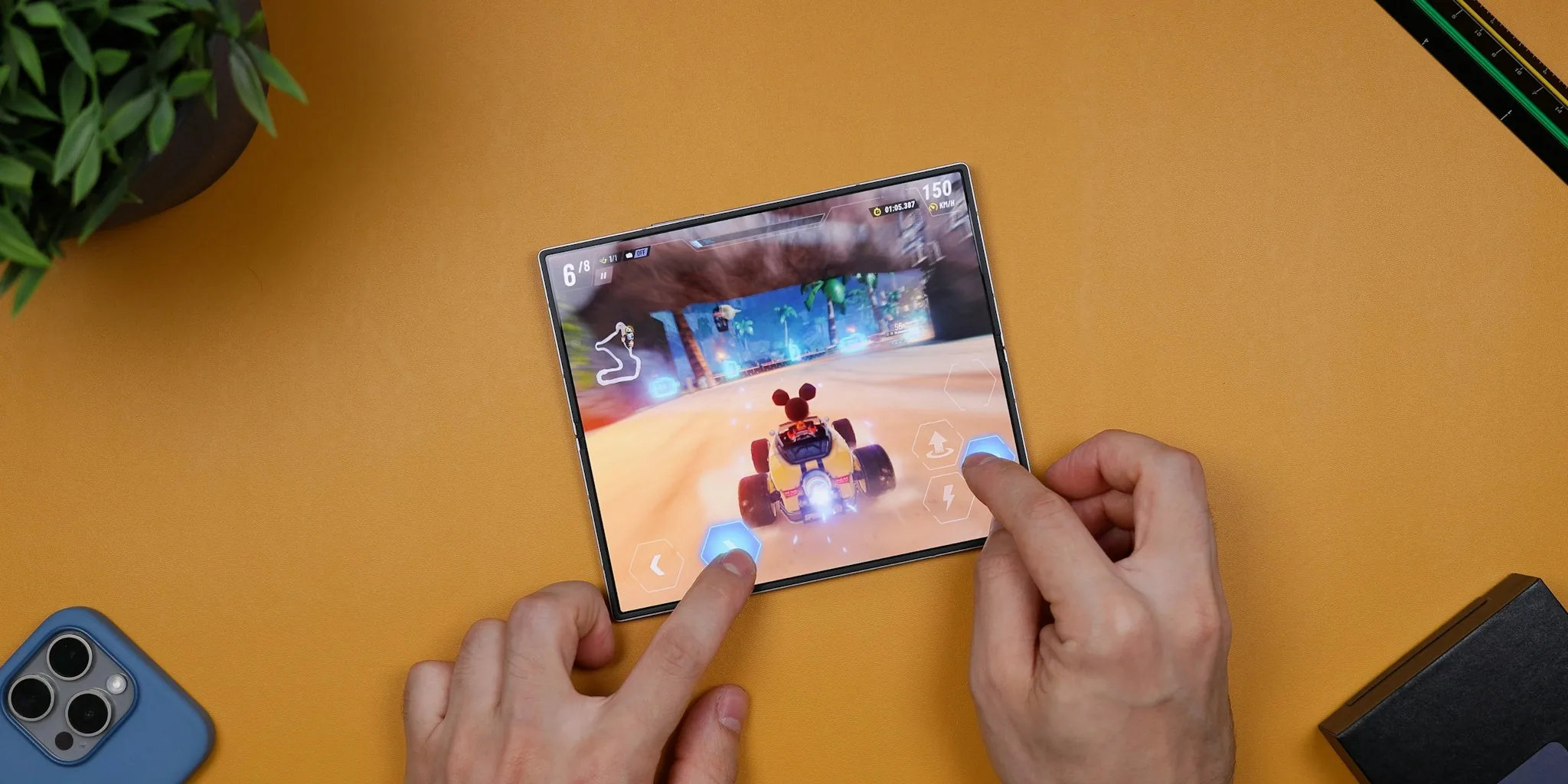
Apple’s upcoming foldable iPhone is generating significant attention in the smartphone market, but early reports reveal a critical gap that could shape purchasing decisions differently depending on where you live. The device is expected to excel as a camera viewfinder, yet it will launch without a telephoto lens, a feature that carries vastly different weight for consumers across geographies.
The Camera Setup and What It Means
According to available specifications, the foldable iPhone will feature a 48-megapixel main camera and a 48-megapixel ultra-wide lens, creating a two-camera system on a device priced above $2,000. For buyers in the United States, this represents a reasonable first-generation compromise that many would overlook. A large foldable display serving as an exceptional viewfinder could offset the missing zoom capability, making the overall package genuinely compelling for framing and composition work.
However, this same specification sheet tells an entirely different story in China, where the foldable smartphone market has grown into a dominant force. Last year, China purchased more than 10 million foldable devices, accounting for more than half of global shipments. That staggering concentration of demand means Apple’s success or failure hinges primarily on Chinese consumer preferences, where camera specifications carry significantly more weight in purchasing decisions.
Why China’s Market Dynamics Matter So Much
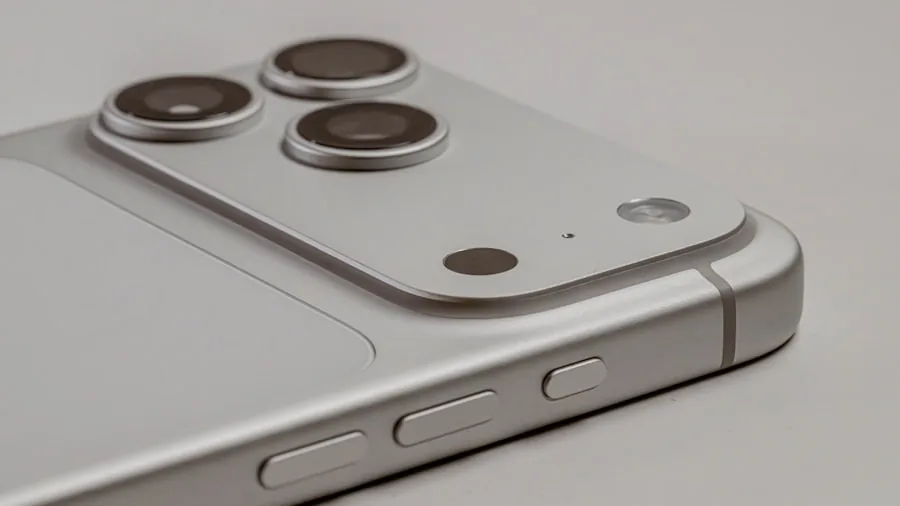
Huawei has spent years cultivating a specific purchasing culture in China centered on visible hardware status and detailed spec comparisons. The Huawei Mate X7, for example, pairs a 50-megapixel main camera with a variable aperture, an ultra-wide lens, and a 50-megapixel periscope telephoto offering 3.5x optical zoom, delivering four lenses total on a device already available to consumers. Huawei dominated the foldable market in the second quarter of this year, with the majority of sales coming from its home market.
In this competitive landscape, Apple’s two-camera configuration becomes far more than a minor omission. Chinese premium buyers evaluate smartphones through detailed specification comparisons, and a missing telephoto lens on a ultra-premium device stands out sharply against the competition sitting on adjacent retail shelves. The viewfinder advantage, however excellent, cannot replace the zoom functionality that Chinese consumers have grown accustomed to seeing on comparable devices.
Apple’s Recent Success in China and What’s at Stake
Apple has been climbing back into China’s market with surprising momentum. During the June quarter, Greater China revenue jumped from $15.4 billion to $18.8 billion year over year, representing a 22.4% increase and reversing years of decline in that region. This recovery is critical to Apple’s overall growth strategy, and the foldable iPhone is intended to extend this momentum.
That context transforms the missing telephoto lens from a simple spec deficiency into a genuine revenue question. If the device fails to achieve expected sales in China because of its camera limitations, it could derail Apple’s hard-won recovery in the world’s most important smartphone market. The company’s five geographic segments all grew last quarter, but China’s rebound from a prolonged slide makes it uniquely significant for future planning.
The Viewfinder Advantage as a Selling Point
The one genuine innovation Apple can leverage is the large foldable display functioning as a camera viewfinder. Anyone who has used a foldable smartphone in the wide passport format understands the practical advantage of framing a shot on a substantially larger screen. This is a real benefit that translates into better composition, easier focus confirmation, and more precise subject tracking before capture.
For success, Apple should acknowledge this trade-off openly rather than attempting to downplay the absence of a telephoto lens. A genuinely excellent viewfinder paired with two quality cameras still delivers strong mobile photography capabilities. Consumers are far more likely to accept strategic choices when they understand the reasoning, making transparency about design priorities essential to maintaining trust with premium buyers across all markets.
What Buyers Should Expect
US consumers considering the foldable iPhone should view the camera setup as an annoyance rather than a dealbreaker. The large display viewfinder represents a meaningful advantage for photography enthusiasts, and most everyday shooting scenarios will yield excellent results from the two-lens system. Consumers of wireless earbuds for iPhone users understand that Apple prioritizes ecosystem integration, and the foldable will likely extend that advantage.
Chinese shoppers evaluating the device face a different calculus. Without a telephoto lens comparable to competing foldables already available, the phone must compete primarily on the strength of its display technology and viewfinder experience. Whether that proves sufficient against established competitors with more comprehensive camera arrays will largely determine whether Apple’s foldable succeeds in the market segment that matters most for its viability. The next few years will clarify whether Apple plans to add telephoto capability or commit fully to the two-camera strategy on future generations.
About the author
Eleanor covers smartphones for REMOVU, balancing cameras, battery life, and software support against price. She helps readers find the best value as the field shifts with every release.